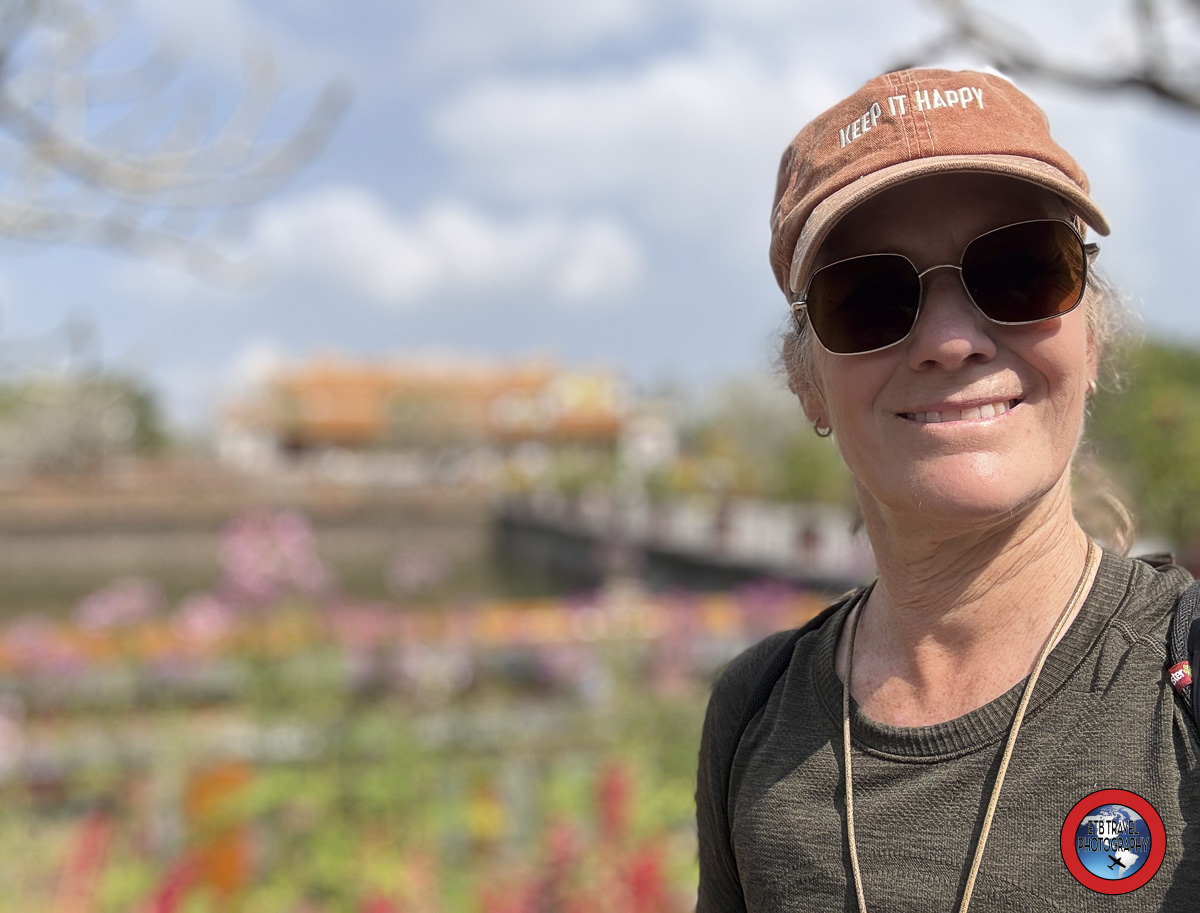
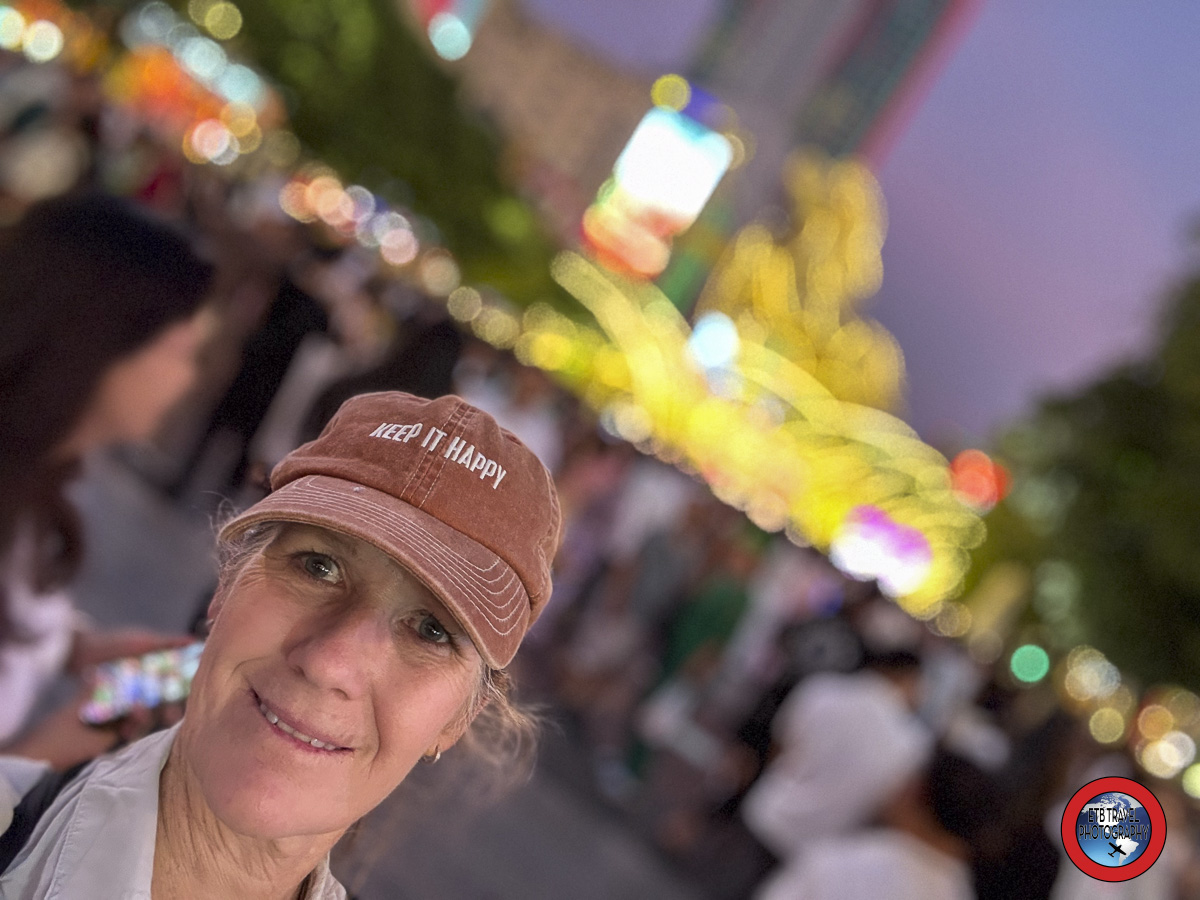
Selfie in fron of Hue Imperical City

24 Hours in Hue

After a day in Hoi An, we took a four-hour bus ride to Hue.  It is closer to a three-hour drive, but many stop to explore Hai Van Gate, a defensive fortification used by many dynasties.  Perched atop the mountain with expansive views, Hai Van Gate was very important to the frontier passage of Vietnam.   It is free to enter and across the street are few open air restaurants catering to tourists.

About Hue

Founded as the seat of the Nguyen Dynasty in 1802, Hue served as the imperial heart of a unified Vietnam for over a century. This era of high Confucian culture and grand imperial construction eventually shattered during the mid-20th century, as the city became a brutal focal point of the Indochina Wars and the devastating 1968 Battle of Hue.

The city is split in two by the Perfume River, with the historic Citadel on the North Bank and the new city on the South Bank. We stayed at the Asia Hotel on the South Bank, where the city’s modern pulse, French colonial history, and vibrant nightlife converge.   Having arrived in the late afternoon, we had a few hours to take a stroll before dinner.

EXPLORE!
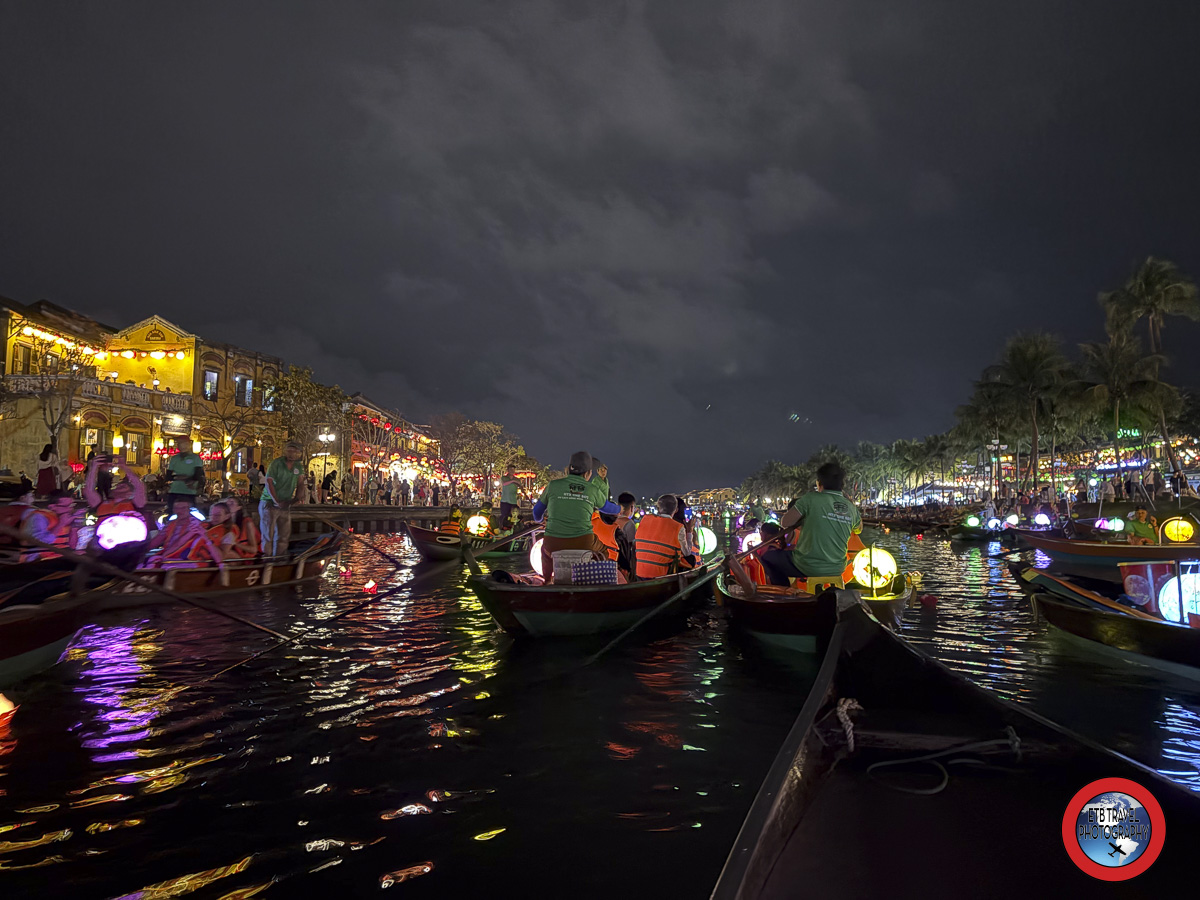
Hoi An at night

The Highlights of Hoi An

Have you ever been someplace that you have never previously heard of and then been pleasantly surprised?  Hoi An was just that for me.  All I can say is…WOW!  This city was my favorite during my ten-day G-Adventure tour of Vietnam that took us to Ho Chi Minh City, Hue, Ha Long Bay, Mai Chau, and Hanoi.

This former trading port is a living museum of architectural fusion, where ornate Chinese assembly halls, weathered Japanese bridges, and mustard-yellow French colonial villas line the banks of the Thu Bon River. As night falls, the town sheds its quiet morning charm for a surreal, lantern-lit brilliance.  Whether you’re navigating the bustling central market or floating a paper candle down the river, Hoi An’s special heritage is delightful.  As a photographer, I couldn’t enough of this vibrant city!

EXPLORE!

Ho Chi Minh City: History, Culture, and Commerce

History of Ho Chi Minh City

Ho Chi Minh City (HCMC) is a city with a storied past.  Formerly known as Saigon, the city was ruled by many dynasties with the last being the Nguyen dynasty, thus many Vietnamese carry this as their last name.

The French attacked and captured Saigon in 1859 and officially named it the capital of the colony of Cochinchina in 1862.  For a brief period between 1887-1901, it even served as the administrative center for the entire Indochinese Union which included Vietnam, Cambodia, and Laos. Though eventually the capital was moved to Hanoi, under the 100 year French Rule, Saigon was known as the Pearl of the East.

After the Japanese occupation during World War II and the First Indochina War (or the French War as the Vietnamese call it), the country was split in two at the 17th parallel and Saigon served as the capital of the Republic of Vietnam (South Vietnam).

Saigon remained the capital of South Vietnam from 1954-1975 until the reunification of the north and south at the end of the Vietnam War or the American War as the Vietnamese call it.  Saigon was renamed to Ho Chi Minh City in 1976 to honor the late revolutionary leader of the Viet Minh, Ho Chi Minh who died before seeing his country reunified.

Though no longer the capital of Vietnam, HCMC is the largest city in Vietnam with a population of 14 million people.  As Vietnam’s economic hub with a complex history, HCMC features a combination skyscrapers and French colonial architecture. Vibrant street culture mixes with an increasingly cosmopolitan lifestyle, providing a variety of things to do for visitors.

EXPLORE!
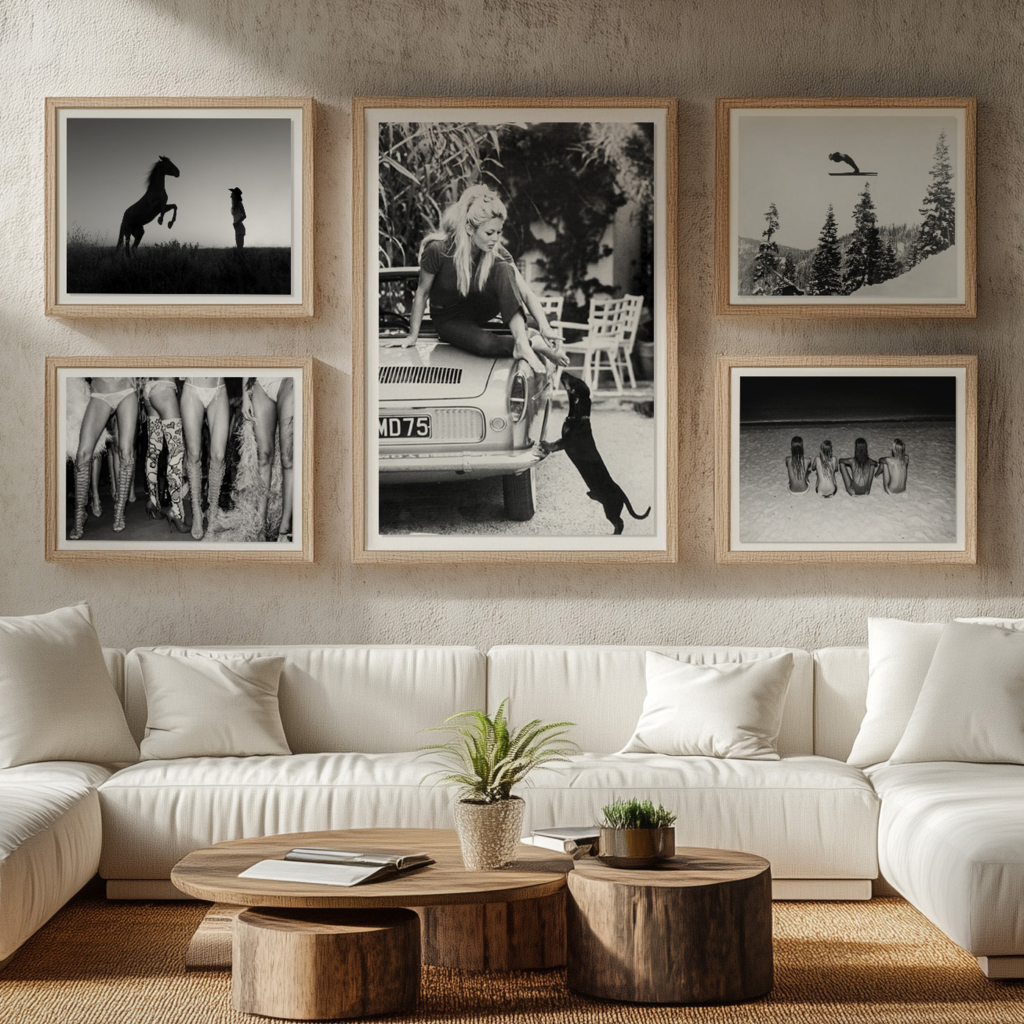
travel adventure wall art

Luxury Wall Art: How Travel Photography Transforms Modern Interiors

The walls of our homes have become canvases for personal expression, and luxury wall art has emerged as one of the most powerful tools for creating spaces that feel both sophisticated and deeply personal. As homeowners move away from mass-produced prints toward pieces with genuine artistic merit, the market for high-quality wall art has expanded dramatically. These carefully curated pieces do more than fill empty space—they establish mood, anchor design schemes, and reveal the sensibilities of those who live among them.

Travel photography occupies a distinctive position in this landscape. Unlike abstract compositions or traditional portraiture, travel images carry the weight of place and experience. A well-executed photograph from Kyoto’s bamboo forests or Iceland’s volcanic coastlines doesn’t simply decorate—it transports. When printed with archival materials and presented in museum-quality frames, these images become legitimate art objects that bring distant geographies into intimate spaces. This article examines how luxury wall decor, particularly travel photography, can fundamentally reshape interior environments.

HANG IT UP!
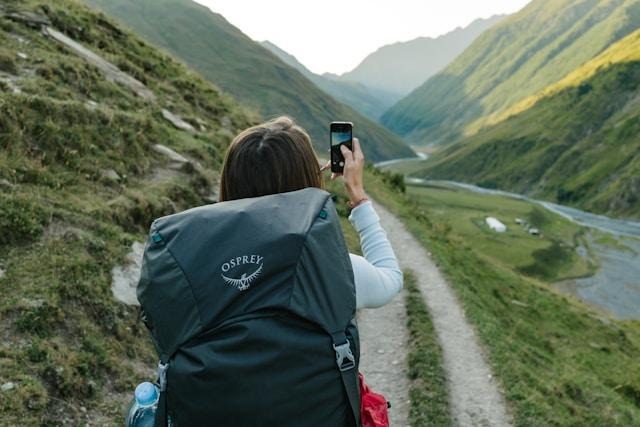
travel with your tech without compromising adventure

How to Travel with Your Tech Without Compromising on Adventure

Travel photography sits at the intersection of exploration and equipment. The same devices that allow you to document remote landscapes and fleeting street scenes can also weigh you down if you are not intentional about how you carry and manage them.

Adventure demands movement, flexibility, and resilience. The key is not to travel with less technology at all costs, but to travel with the right systems so your gear supports your creativity instead of restricting it.

GEAR UP!
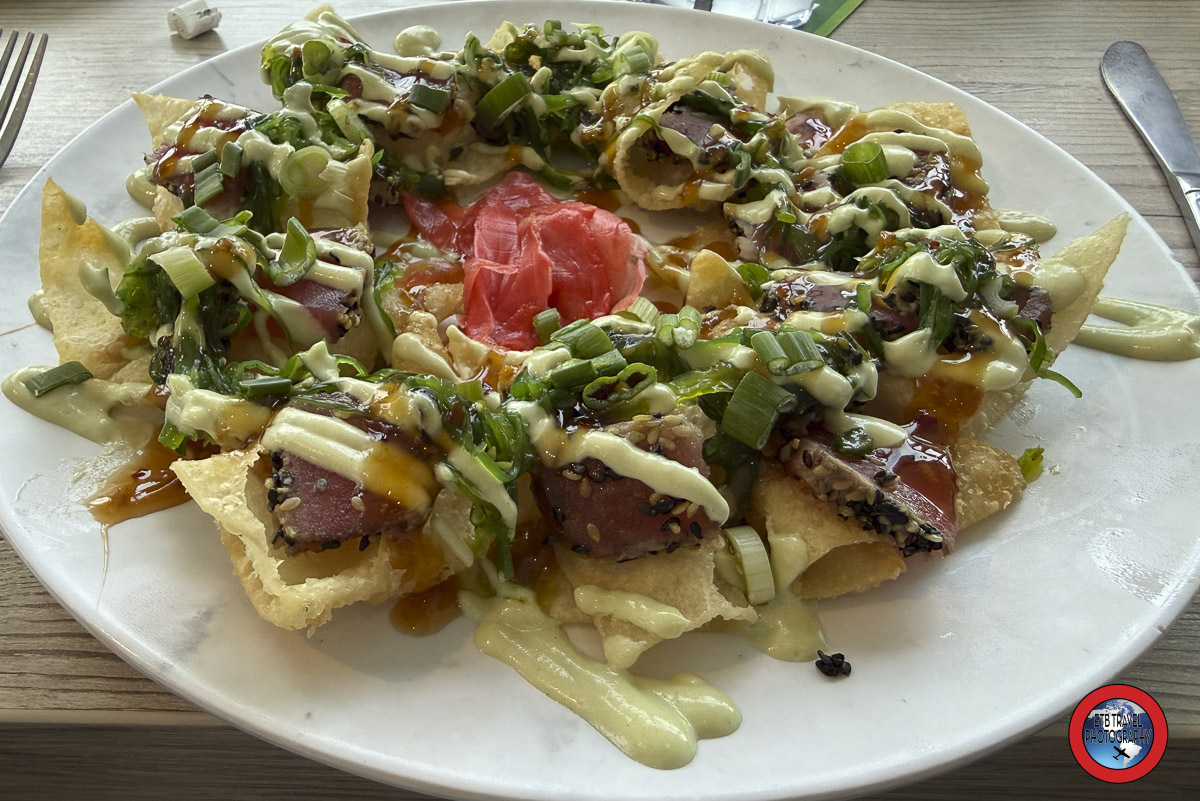
tuna nachos at Dockside Grill

Places to Eat in Venice

During our three week visit to Venice, Florida, we enjoyed the local dining scene ranging from elevated waterfront seafood at the jetties to the charming, pink-hued comfort of “old Florida” bistros tucked along Miami Avenue.

Whether you are sipping a craft brew from a self-serve beer wall or sharing a decadent homemade muffin at a sidewalk café, every meal reflects the city’s unique blend of sophisticated Mediterranean architecture and relaxed coastal hospitality.

Below is a list of restaurants in Venice we tried, with favorites being Made In Italy, Food + Beer, Oak and Stone, and Blue Island Bistro.

TAKE A TASTE!
leopard in tree in pom pom

How to Prepare for Photography in Botswana’s Remote Landscapes

Botswana offers some of the most spectacular photographic opportunities on Earth. From the sprawling wetlands of the Okavango Delta to the incredible Makgadikgadi salt pans, this amazing country presents landscapes and wildlife that captivate photographers of every skill level.

However, capturing these moments requires more than just showing up with a camera. Botswana’s remote wilderness areas present unique challenges that demand careful preparation. Infrastructure is limited, conditions can be harsh, and the distances between locations are vast.

Photographers who arrive unprepared often find themselves struggling with equipment failures, insufficient storage, or physical exhaustion that prevents them from making the most of extraordinary moments. Those who plan thoughtfully return home with images that reflect the true magic of this remarkable destination.

Understanding what to expect and how to prepare can mean the difference between a frustrating experience and the photography trip of a lifetime.

CAPTURE THE MOMENT
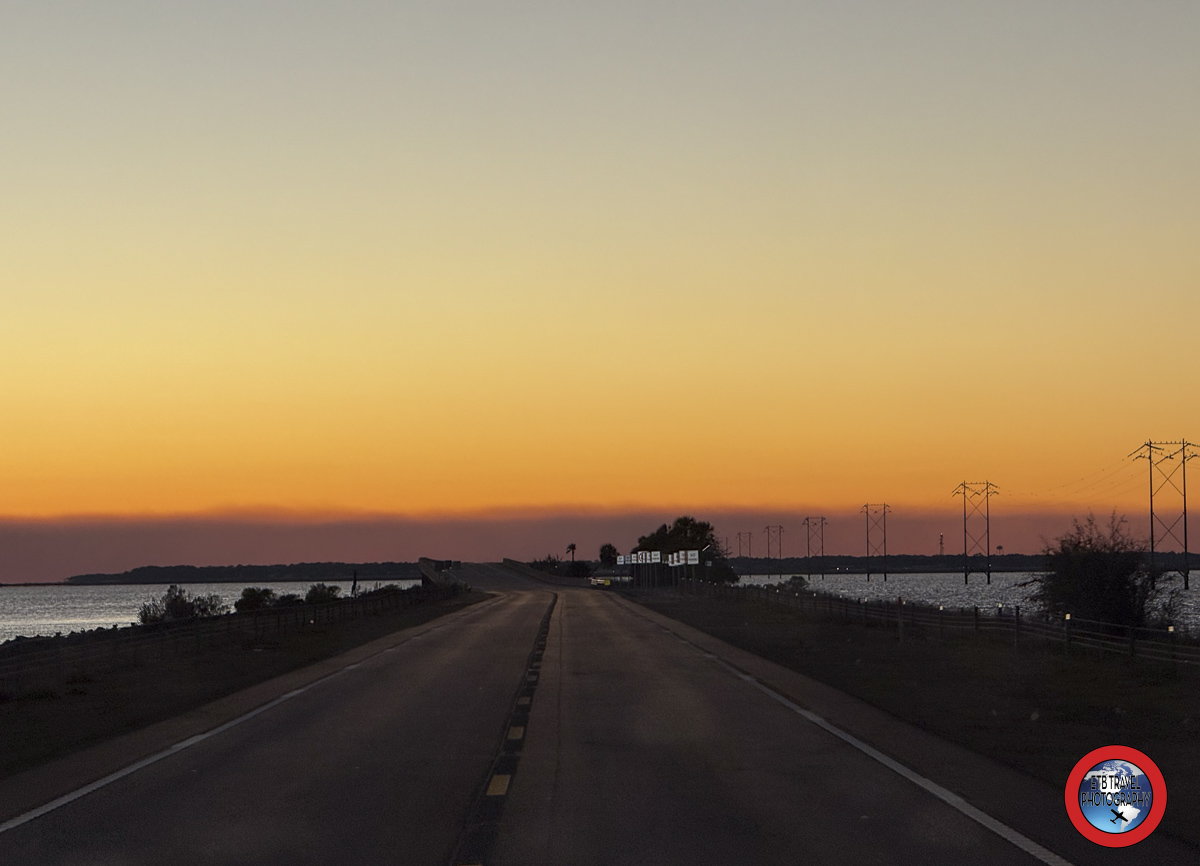
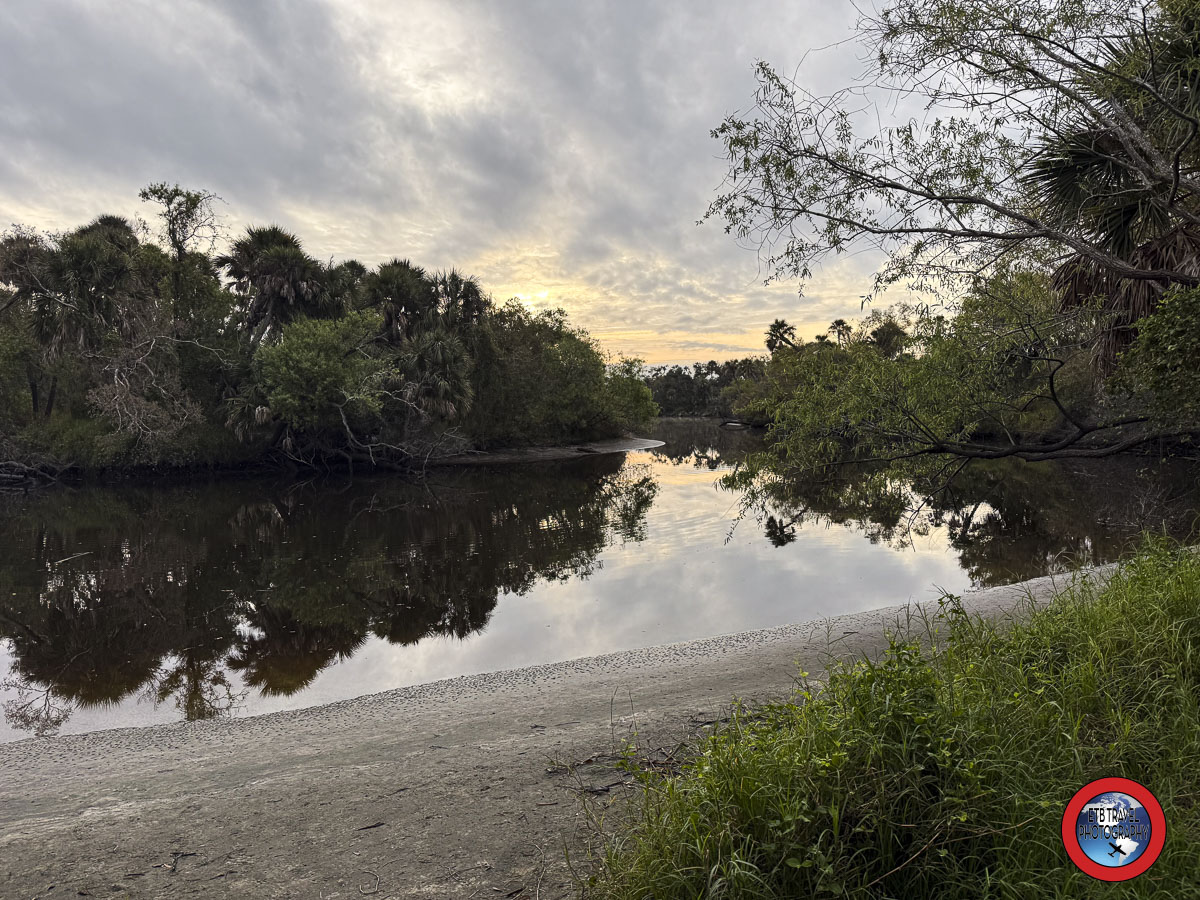
river in Sleeping Turtles Preserve

Hikes in Venice

I recently visited Venice for three weeks of horse shows at Fox Lea Farms, and on my time off I like to escape to nature while hiking with my dog Annie.  Venice affords nature seekers a variety of places to hike including preserves, reserves, state parks and beaches.  Below are five places I hiked in Venice.

HAPPY HIKING!
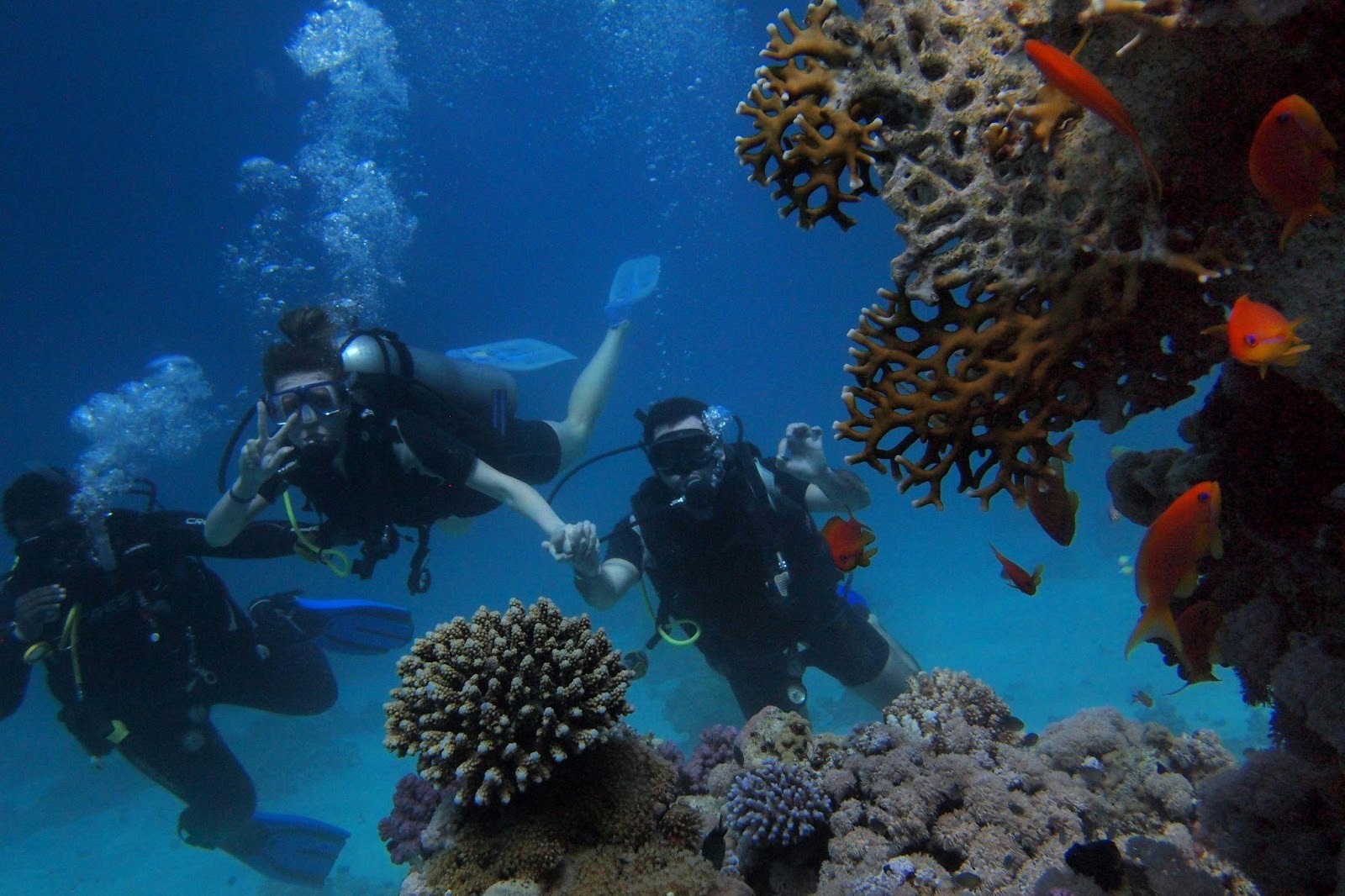
Diving in the Red Sea

Wreck Diving on a Budget: Your Guide to Short Egypt Liveaboards

The lure of the Red Sea’s wreck cemetery is powerful, isn’t it? For those of us who feel a deep connection to maritime history, the legendary Northern Wrecks of Egypt are practically a pilgrimage. You want to see the famous SS Thistlegorm, sure, but maybe you don’t have 10 days or $5,000 to spare. The good news is that you can absolutely secure a world-class wreck diving experience without sinking your savings account.

The key lies in bypassing the standard, week-long safari and opting instead for a focused, short-format liveaboard Egypt trip. This “wreck express” approach lets you pack the absolute best sites into three or four days, proving that a premium Egypt diving liveaboard experience doesn’t have to come with a premium price tag. It’s about being smart with your time and money, transforming an expensive dream into an accessible reality for the dedicated wreck enthusiast.

DIVE IN!