path through the gardens

Spring at the Dallas Arboretum

The Dallas Arboretum is one of the most incredible sites you can see while visiting Dallas. Located on the shores of White Rock Lake, you can explore 66 acres of magnificent grounds with an incredible backdrop of the Dallas skyline. Whether you visit during peak bloom or during the off-season, you are sure to find beauty in every last corner of the Dallas Arboretum.

History of the Dallas Arboretum

Not only will you be stepping into gardens of phenomenal beauty, but the history of the Dallas Arboretum is also extensive. Although it is young compared to other botanical institutions in the nation, its history is rich. The Dallas Arboretum was born from civic leaders and philanthropists who believed that Dallas deserved a place where the community could flourish in tandem with nature. So, in 1974, the Dallas Arboretum & Botanical Society adopted bylaws, elected officers, and incorporated as a nonprofit.

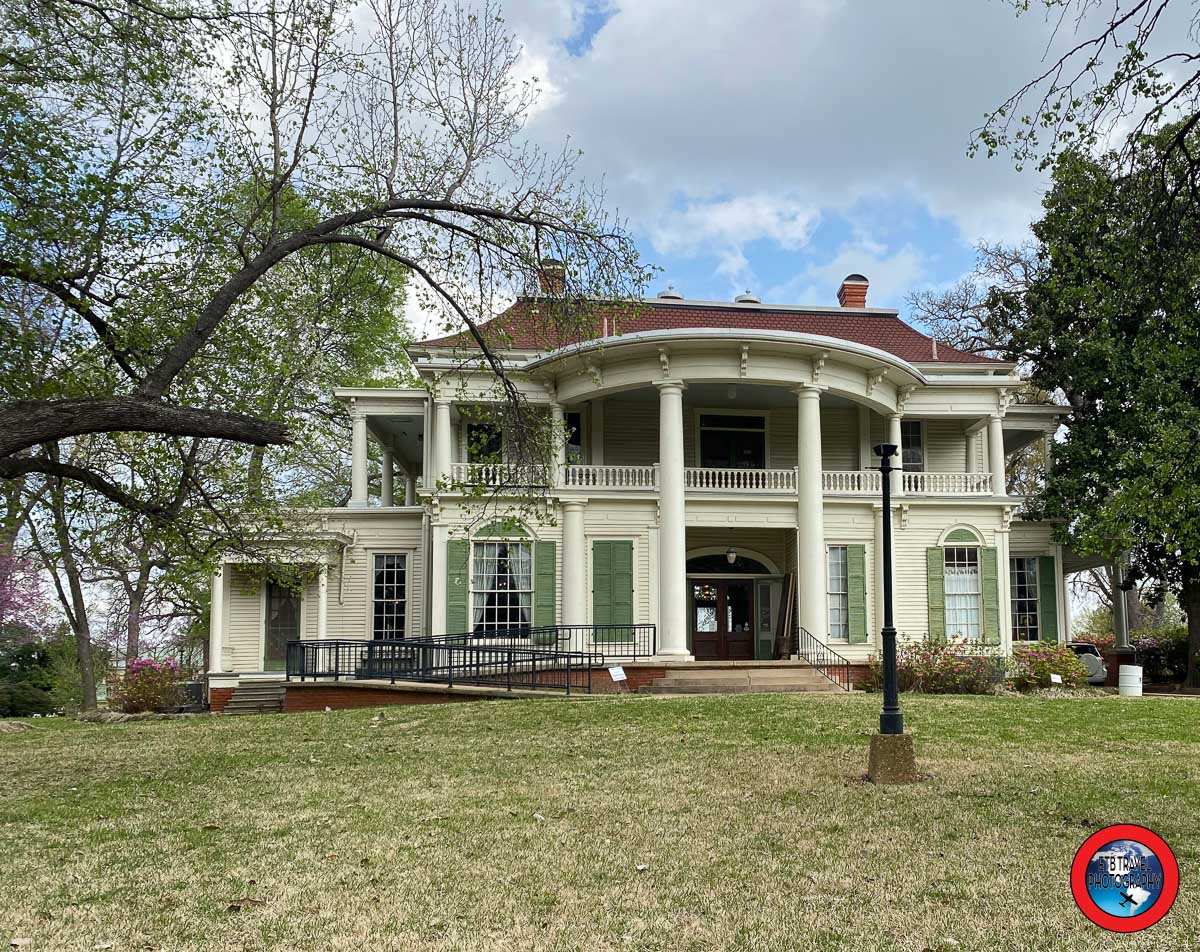
The Dallas Arboretum & Botanical Society then raised funds to purchase the historic DeGolyer estate, as well as the adjacent property. In 1982, the City of Dallas signed a contract with the Dallas Arboretum & Botanical Society, which created the arboretum and botanical garden on the grounds of these properties. The Dallas Arboretum officially opened to the public for the first time in 1984.

Since the roots of the arboretum come from civic leaders and philanthropists, the mission of the Dallas Arboretum remains similar to the mission at its founding. The arboretum supports equal opportunity and accessibility for all and promotes a safe and engaging experience that is welcoming to all. The garden hopes to inspire curiosity, foster connection, and create experiences that follow all who visit long after they leave the beautiful grounds of the Dallas Arboretum.

When to Visit the Dallas Arboretum

While you can visit all year round, the best times to visit the Dallas Arboretum are the spring and the fall. In the spring, you can catch the Dallas Blooms festival, which features over 500,000 blooming bulbs including 350,000+ tulips. In the fall, you can experience Autumn at the Arboretum, where there are 90,000+ pumpkins, gourds, and squash on display. That being said, the grounds are kept lovely all year round, so if you can’t make it during those times, don’t worry! Find out more about what the Dallas Arboretum has to offer below.

STOP AND SMELL THE ROSES!
goodman legrand musem

Things to Do in Tyler

Located just ninety-nine miles southeast of Dallas, Tyler is one of the biggest cities in East Texas. This lively city was named after President John Tyler, to thank him for admitting the state of Texas to the United States. While many know Tyler as the “Rose Capital of America,” it is much more than roses and thorns. This charming city is full of many opportunities for exploration, from a sprawling state park, historical sites full of incredible stories, and some delicious Texas BBQ. And if you get really lucky, you might even be in town during Tyler’s famous Rose Festival, an annual event rich in tradition and history.

EXPLORE!
Hanoi

Hanoi Highlights

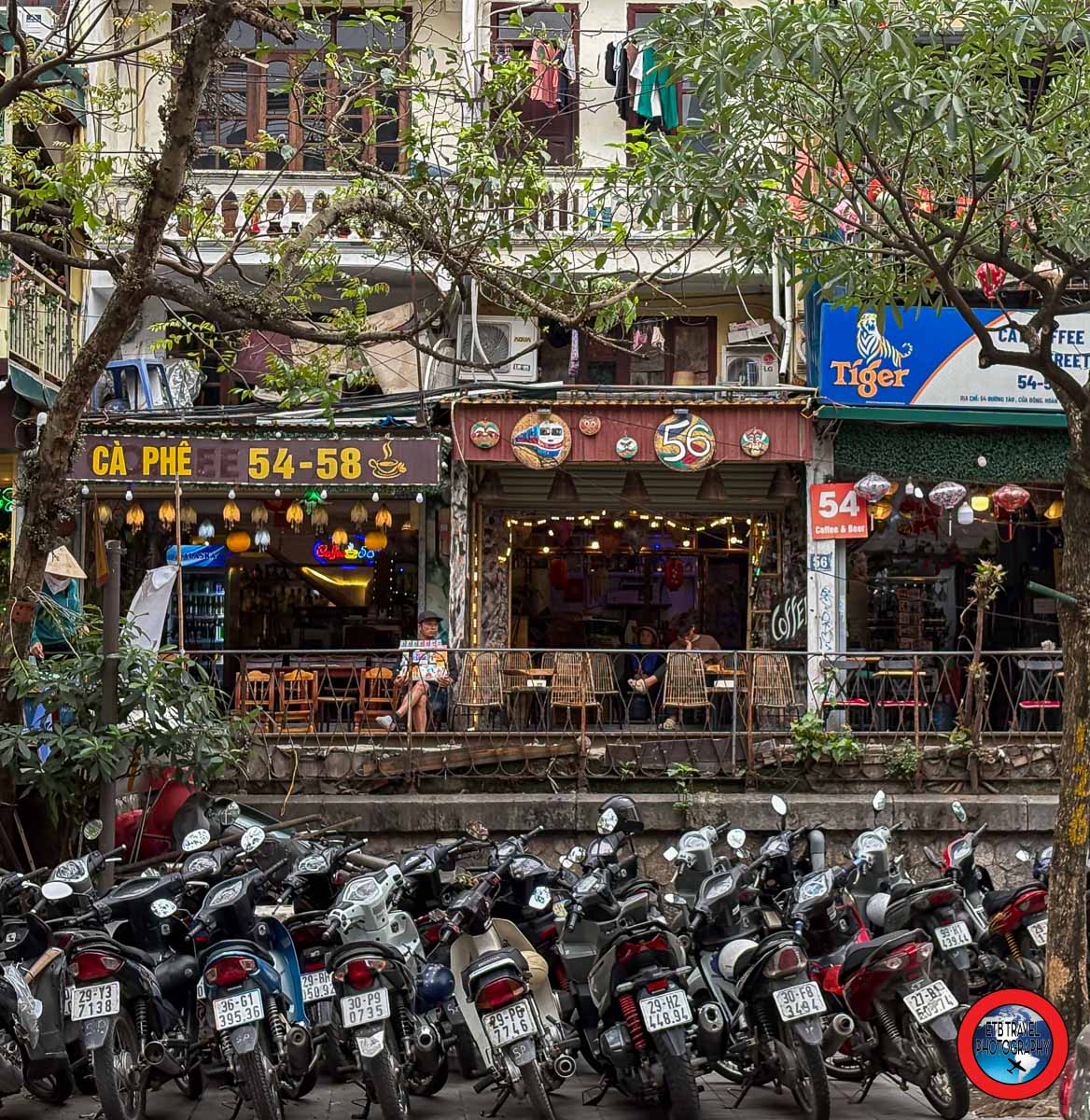
Established over a millennium ago as Thăng Long, Hanoi has weathered centuries of imperial rule, French colonialism, and the ravages of war. Today, Vietnam’s bustling capital blends this ancient soul with rapid modern development. For tourists, exploring the narrow alleyways of the historic Old Quarter and tasting world-famous street food are absolute must-do experiences.

Whether you’re sipping egg coffee or marveling at French colonial architecture, navigating the city’s rich past is unforgettable. Plan your walking tour of Hanoi with this guide.

On my tour with G-Adventures, we only had a few afternoons in Hanoi, as we used the Northern Vietnam City as hub for trips to Ha Long Bay and Mai Chau. Consequently, I added an extra day to my itinerary to explore the Soaring Dragon City. 

DISCOVER!
Ha Long Bay

Overnight Cruise in Ha Long Bay

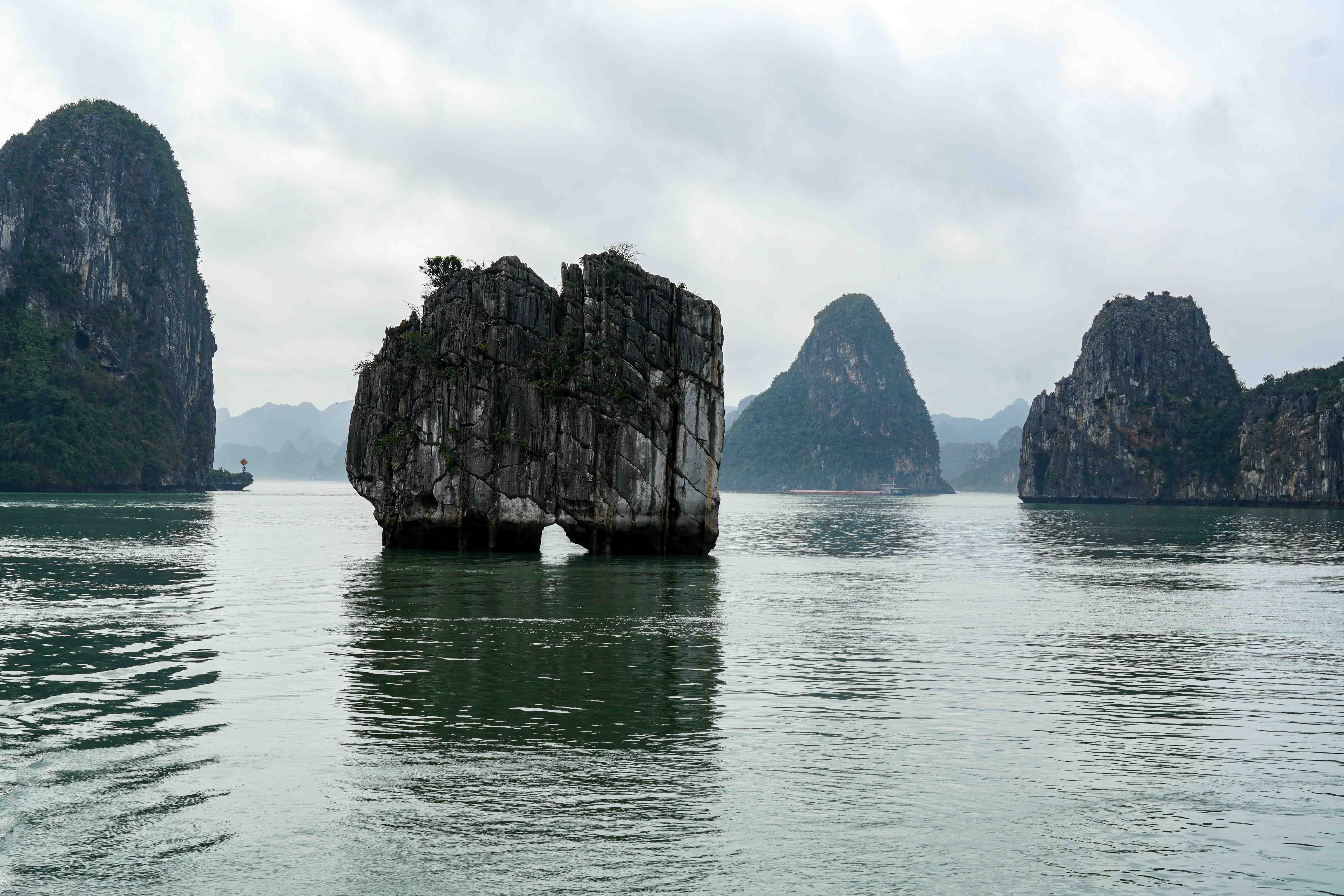
The next stop on our nine-day G-Adventure Tour of Vietnam was in Ha Long Bay.  Ha Long Bay is a dramatic, ancient seascape where nearly 2,000 limestone pillars rise from emerald waters like a “rock wonder in the sky”. Sculpted over 500 million years by tectonic shifts and marine erosion, this UNESCO World Heritage site is a maze of hidden caves, secluded lagoons, and floating villages that preserve a unique maritime heritage.

Having only seen some Instagrammable moments showcasing the natural beauty of Ha Long Bay, I was very excited to visit the area.  While I expected some tourism, I was dismayed to find a boat highway in Ha Long Bay, rather than tranquility among the towering karst islands!

While I am glad I visited Ha Long Bay in person and checked it off my bucket list, I must advise nature lovers who don’t mind missing the iconic sites to look for quieter cruises in Bai Tu Long Bay or Lan Ha Bay or otherwise be prepared for lots of tourists.

SAIL AWAY!
reflection of mountains in the rice paddies of Mai Chau

Mystical Mai Chau

Nestled in Hoa Binh Province, Mai Chau is a serene, verdant valley serving as the cultural heartland of the White Thai people, who settled here from Southern China around the 13th century. Historically, this area served as a remote, rugged corridor connecting northern mountainous tribes, maintaining a deeply traditional, rural lifestyle that has largely resisted modernization. Known as a “Province of Peace,” its history is rooted in traditional subsistence rice farming, unique stilt-house architecture, and a resilient, vibrant culture that has maintained its identity despite colonial influences and modern tourism.

Today, Mai Chau has transitioned from a hidden highland gem into a model for sustainable community-based tourism. While it offers a peaceful alternative to the bustling streets of Hanoi, the valley retains its soul through the stilt-house villages of Lac and Pom Coong. Visitors can immerse themselves in slow-paced, eco-friendly activities in a landscape highlighted by towering karst peaks.  Mai Chau is ideal for nature lovers seeking both adventure and peace.

During our nine-day tour of Vietnam with G-Adventures, we spent one night in Mai Chau.  In addition to Hoi An, it was one of our favorite stops in Vietnam.  I sure wish we spent an entire weekend in Mai Chau as its culture and outdoor activities deserve more time.  But when you are trying to get an overview of Vietnam in just a few weeks, we only got a glimpse of Mai Chau. 

EXPLORE!
Selfie in fron of Hue Imperical City

24 Hours in Hue

After a day in Hoi An, we took a four-hour bus ride to Hue.  It is closer to a three-hour drive, but many stop to explore Hai Van Gate, a defensive fortification used by many dynasties.  Perched atop the mountain with expansive views, Hai Van Gate was very important to the frontier passage of Vietnam.   It is free to enter and across the street are few open air restaurants catering to tourists.

About Hue

Founded as the seat of the Nguyen Dynasty in 1802, Hue served as the imperial heart of a unified Vietnam for over a century. This era of high Confucian culture and grand imperial construction eventually shattered during the mid-20th century, as the city became a brutal focal point of the Indochina Wars and the devastating 1968 Battle of Hue.

The city is split in two by the Perfume River, with the historic Citadel on the North Bank and the new city on the South Bank. We stayed at the Asia Hotel on the South Bank, where the city’s modern pulse, French colonial history, and vibrant nightlife converge.   Having arrived in the late afternoon, we had a few hours to take a stroll before dinner.

EXPLORE!
Hoi An at night

The Highlights of Hoi An

Have you ever been someplace that you have never previously heard of and then been pleasantly surprised?  Hoi An was just that for me.  All I can say is…WOW!  This city was my favorite during my ten-day G-Adventure tour of Vietnam that took us to Ho Chi Minh City, Hue, Ha Long Bay, Mai Chau, and Hanoi.

This former trading port is a living museum of architectural fusion, where ornate Chinese assembly halls, weathered Japanese bridges, and mustard-yellow French colonial villas line the banks of the Thu Bon River. As night falls, the town sheds its quiet morning charm for a surreal, lantern-lit brilliance.  Whether you’re navigating the bustling central market or floating a paper candle down the river, Hoi An’s special heritage is delightful.  As a photographer, I couldn’t enough of this vibrant city!

EXPLORE!

Ho Chi Minh City: History, Culture, and Commerce

History of Ho Chi Minh City

Ho Chi Minh City (HCMC) is a city with a storied past.  Formerly known as Saigon, the city was ruled by many dynasties with the last being the Nguyen dynasty, thus many Vietnamese carry this as their last name.

The French attacked and captured Saigon in 1859 and officially named it the capital of the colony of Cochinchina in 1862.  For a brief period between 1887-1901, it even served as the administrative center for the entire Indochinese Union which included Vietnam, Cambodia, and Laos. Though eventually the capital was moved to Hanoi, under the 100 year French Rule, Saigon was known as the Pearl of the East.

After the Japanese occupation during World War II and the First Indochina War (or the French War as the Vietnamese call it), the country was split in two at the 17th parallel and Saigon served as the capital of the Republic of Vietnam (South Vietnam).

Saigon remained the capital of South Vietnam from 1954-1975 until the reunification of the north and south at the end of the Vietnam War or the American War as the Vietnamese call it.  Saigon was renamed to Ho Chi Minh City in 1976 to honor the late revolutionary leader of the Viet Minh, Ho Chi Minh who died before seeing his country reunified.

Though no longer the capital of Vietnam, HCMC is the largest city in Vietnam with a population of 14 million people.  As Vietnam’s economic hub with a complex history, HCMC features a combination skyscrapers and French colonial architecture. Vibrant street culture mixes with an increasingly cosmopolitan lifestyle, providing a variety of things to do for visitors.

EXPLORE!
tuna nachos at Dockside Grill

Places to Eat in Venice

During our three week visit to Venice, Florida, we enjoyed the local dining scene ranging from elevated waterfront seafood at the jetties to the charming, pink-hued comfort of “old Florida” bistros tucked along Miami Avenue.

Whether you are sipping a craft brew from a self-serve beer wall or sharing a decadent homemade muffin at a sidewalk café, every meal reflects the city’s unique blend of sophisticated Mediterranean architecture and relaxed coastal hospitality.

Below is a list of restaurants in Venice we tried, with favorites being Made In Italy, Food + Beer, Oak and Stone, and Blue Island Bistro.

TAKE A TASTE!