
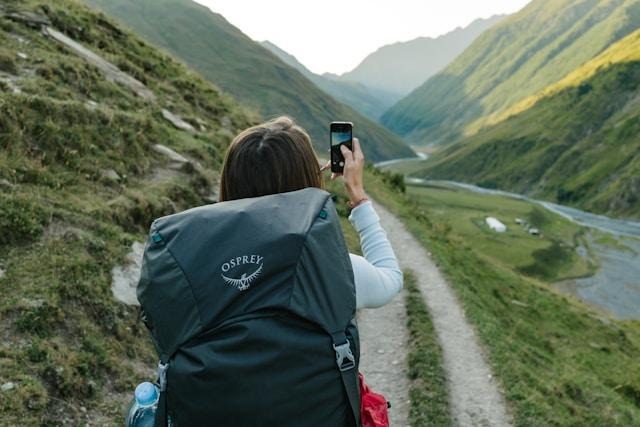
Travel photography sits at the intersection of exploration and equipment. The same devices that allow you to document remote landscapes and fleeting street scenes can also weigh you down if you are not intentional about how you carry and manage them.
Adventure demands movement, flexibility, and resilience. The key is not to travel with less technology at all costs, but to travel with the right systems so your gear supports your creativity instead of restricting it.
Choose Protective Gear That Supports Mobility
Every piece of technology you carry into the field should be protected without becoming a burden. Camera bodies, lenses, drones, and phones are tools, not fragile ornaments, but they do require thoughtful protection.
Start with your everyday device. A durable phone case matters when you are navigating rocky trails or crowded markets, and using an iPhone 17 Pro Max case helps shield your device from impact without making it cumbersome to access.
Select camera bags that distribute weight evenly across your shoulders or hips. A well-designed backpack with padded compartments allows quick lens swaps while keeping your gear stable during hikes.
Weather resistance is equally important. Rain covers and sealed compartments protect electronics from moisture, dust, and sand, especially in environments where conditions shift quickly.
Build a Streamlined Kit That Matches the Journey
Adventure photography is not about carrying every lens you own. It is about selecting tools that align with the story you want to tell. Before each trip, define your visual objectives. A wildlife expedition, an urban street assignment, and a mountain trek require different focal lengths and accessories.
Limiting your kit reduces fatigue and improves mobility. A versatile zoom lens and a compact prime can often cover most scenarios without forcing constant equipment changes.
Consider the terrain and climate as part of your planning. High humidity, cold temperatures, orhigh altitudes may influence battery performance and the type of gear you bring.
Power Management in Remote Environments
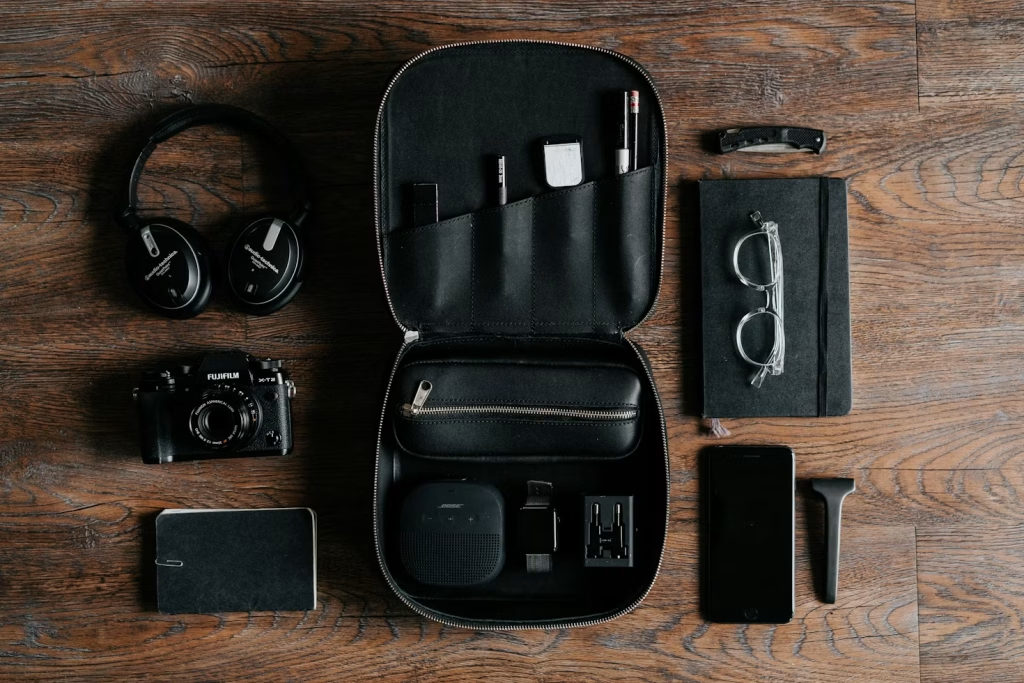
Running out of power can halt an otherwise productive day. Managing batteries becomes even more critical when outlets are scarce.
Carry multiple fully charged batteries for your camera bodies and label them clearly. Rotate usage so that you are not draining one battery repeatedly while leaving others unused.
Portable power banks are essential for phones, action cameras, and smaller devices. Look for options with sufficient capacity and reliable output to avoid inconsistent charging.
If you are traveling internationally, confirm plug types and voltage standards in advance. Referencing official international voltage standards can prevent damaged chargers andequipment.
When possible, recharge devices during transit. Airports, trains, and buses often provide charging points that can extend your shooting window later in the day.
Secure Your Data Without Slowing Down
Capturing powerful images is only part of the process. Protecting your data ensures that your work survives the journey.
Use multiple memory cards instead of one large card. Rotating cards reduces the impact of potential corruption or loss.
Back up your files daily whenever feasible. A compact external solid-state drive can store high-resolution images quickly and withstand moderate movement.
Cloud backups are useful when reliable internet access is available. Be mindful of network security and use strong passwords when accessing storage platforms on public WiFi.
Keep memory cards in a waterproof, labeled case. This simple habit prevents accidental loss and makes it easier to track which cards are full or formatted.
Maintain Physical Freedom While Carrying Tech
Adventure travel often involves uneven ground, crowded public transport, or rapid changes in direction. Your technology should never restrict your range of motion.
Use adjustable straps and harness systems that allow quick access to your primary camera.
Being able to lift your camera in seconds can make the difference between capturing and missing a decisive moment.
Avoid overloading external pockets. Bulky attachments can catch on branches or create imbalance during climbs.
Distribute weight evenly across your body. If your bag pulls heavily to one side, fatigue sets in faster and compromises your ability to stay focused on composition.

Plan for Environmental Challenges
Travel photographers operate in environments that test both creativity and durability. Sand, rain, snow, and heat all introduce risk.
Keep microfiber cloths and lens cleaning tools readily accessible. Dust and condensation can degrade image quality if left unmanaged.
In cold environments, store spare batteries close to your body to help preserve their charge. Temperature affects battery efficiency, and planning accordingly protects your workflow.
When shooting in bright conditions, consider lens hoods and neutral density filters. These tools improve image control without adding significant weight.
Stay aware of local regulations that apply to drones or tripods. Checking drone regulations by country before departure prevents unnecessary complications on location.
Stay Connected Without Losing Presence
Technology allows you to share your work instantly and coordinate logistics efficiently. However, constant connectivity can distract from observation.
Set defined periods for uploading images or reviewing social media. Separating shooting time from administrative tasks preserves your attention.
Use offline maps and downloaded guides to reduce reliance on mobile data. Accessing official tourism information ahead of time can help you navigate safely while minimizing screen time in the field.
Consider enabling device tracking and security features. Reviewing travel safety guidance before departure ensures you are prepared for common risks without becoming overly cautious.

Protect Your Creativity From Gear Anxiety
Carrying expensive equipment can introduce mental pressure. Worrying constantly about damage or theft can diminish the joy of exploration.
Mitigate risk through practical measures rather than fear. Use discreet bags that do not advertise their contents and remain aware of your surroundings.
Consider insurance coverage appropriate to your gear value. Reviewing equipment insuranceoptions before travel provides clarity about what is protected.
Ultimately, adventure photography requires a balance between vigilance and openness. You cannot create compelling images if you are too guarded to engage with your environment.
Where Preparation Meets Possibility
Travel photography thrives on unpredictability. Light shifts, people move, and landscapes evolve, often without warning.
Well-managed technology frees you to respond instinctively. When your batteries are charged, your data is secure, and your gear is protected, you can focus entirely on framing the moment.
Adventure does not require abandoning technology. It requires integrating it into your process with intention, discipline, and flexibility.
When preparation meets possibility, your equipment becomes invisible. What remains is the experience itself and the images that carry it forward.
As an example of what I carry, during my recent trip to Vietnam, I brought my Sony camera with one lens and three batteries, my laptop, ipad, battery bank, and two phones (one for photos only) and one for regular use in order to save the battery, and of course a case full of chargers. I also downloaded Google maps and utilized GPSMyCity, a very helpful travel app with offline guided maps.

Published by