Hanoi

Hanoi Highlights

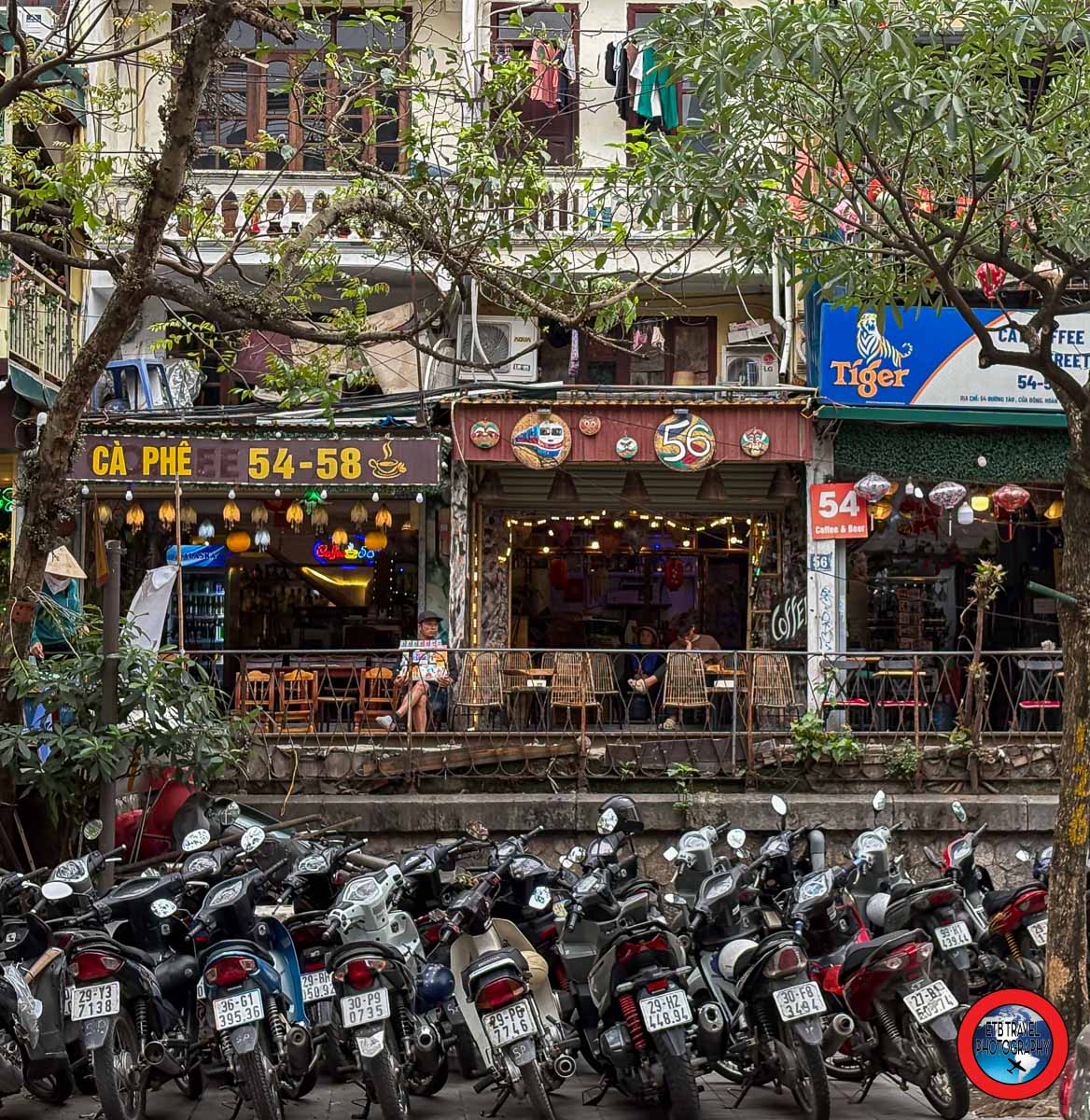
Established over a millennium ago as Thăng Long, Hanoi has weathered centuries of imperial rule, French colonialism, and the ravages of war. Today, Vietnam’s bustling capital blends this ancient soul with rapid modern development. For tourists, exploring the narrow alleyways of the historic Old Quarter and tasting world-famous street food are absolute must-do experiences.

Whether you’re sipping egg coffee or marveling at French colonial architecture, navigating the city’s rich past is unforgettable. Plan your walking tour of Hanoi with this guide.

On my tour with G-Adventures, we only had a few afternoons in Hanoi, as we used the Northern Vietnam City as hub for trips to Ha Long Bay and Mai Chau. Consequently, I added an extra day to my itinerary to explore the Soaring Dragon City. 

DISCOVER!
Ha Long Bay

Overnight Cruise in Ha Long Bay

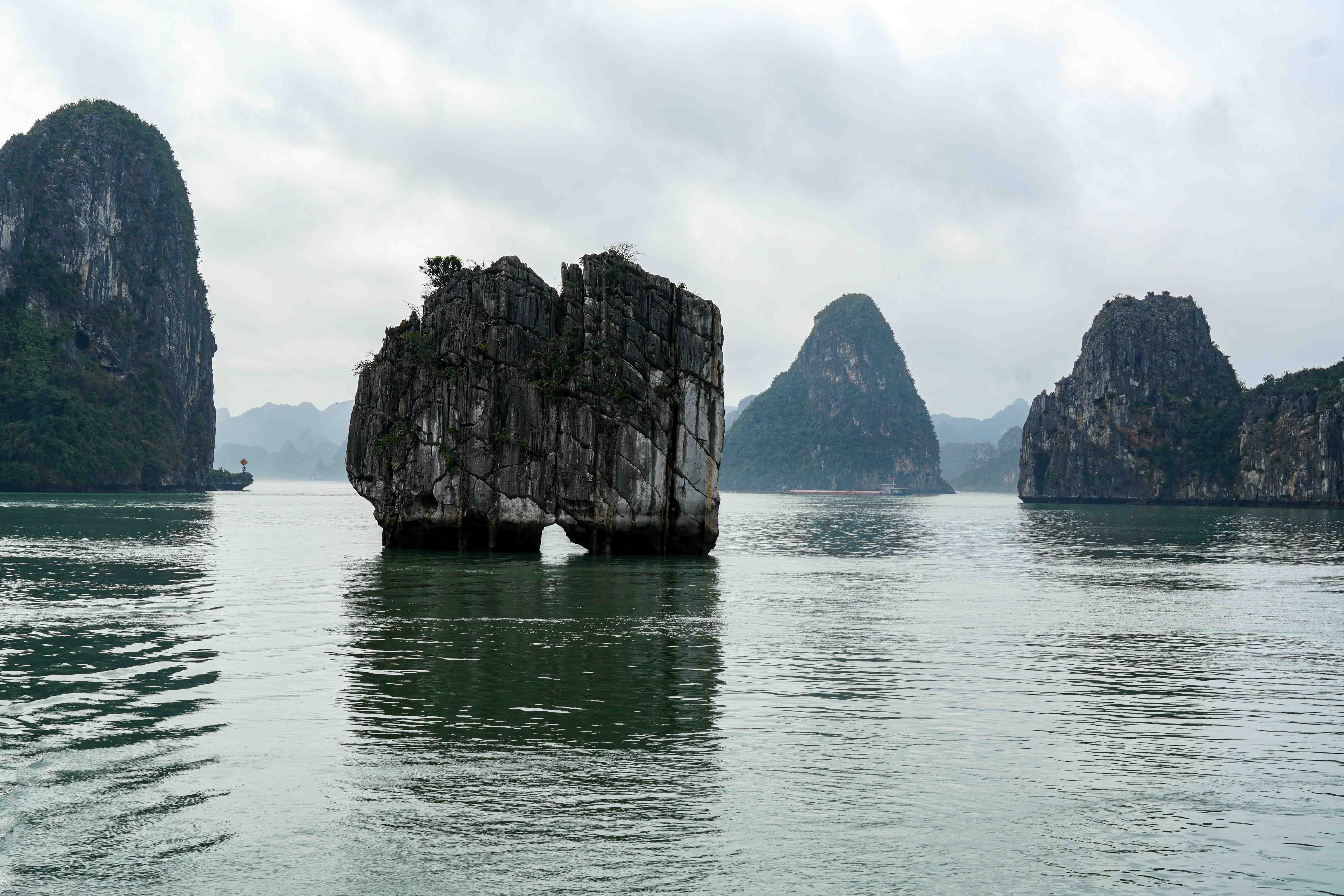
The next stop on our nine-day G-Adventure Tour of Vietnam was in Ha Long Bay.  Ha Long Bay is a dramatic, ancient seascape where nearly 2,000 limestone pillars rise from emerald waters like a “rock wonder in the sky”. Sculpted over 500 million years by tectonic shifts and marine erosion, this UNESCO World Heritage site is a maze of hidden caves, secluded lagoons, and floating villages that preserve a unique maritime heritage.

Having only seen some Instagrammable moments showcasing the natural beauty of Ha Long Bay, I was very excited to visit the area.  While I expected some tourism, I was dismayed to find a boat highway in Ha Long Bay, rather than tranquility among the towering karst islands!

While I am glad I visited Ha Long Bay in person and checked it off my bucket list, I must advise nature lovers who don’t mind missing the iconic sites to look for quieter cruises in Bai Tu Long Bay or Lan Ha Bay or otherwise be prepared for lots of tourists.

SAIL AWAY!
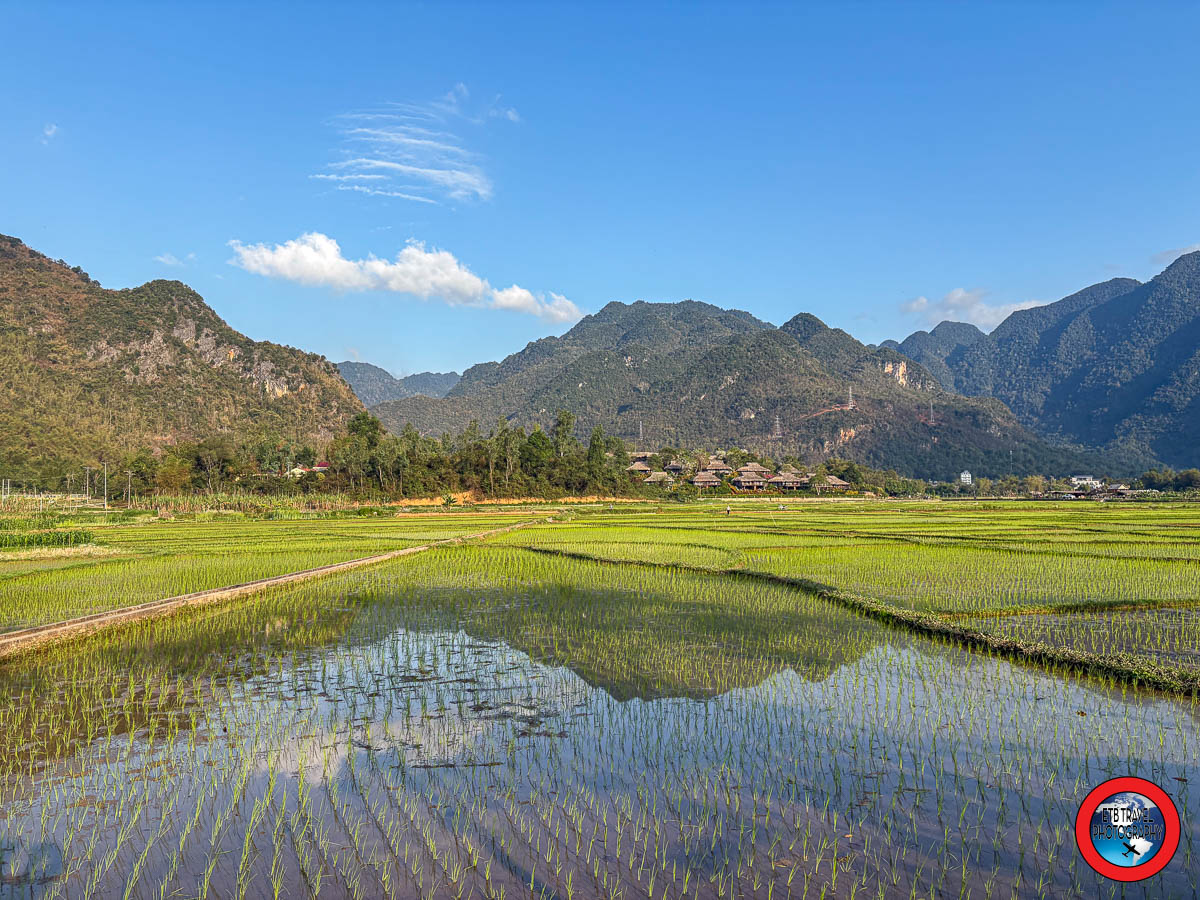
reflection of mountains in the rice paddies of Mai Chau

Mystical Mai Chau

Nestled in Hoa Binh Province, Mai Chau is a serene, verdant valley serving as the cultural heartland of the White Thai people, who settled here from Southern China around the 13th century. Historically, this area served as a remote, rugged corridor connecting northern mountainous tribes, maintaining a deeply traditional, rural lifestyle that has largely resisted modernization. Known as a “Province of Peace,” its history is rooted in traditional subsistence rice farming, unique stilt-house architecture, and a resilient, vibrant culture that has maintained its identity despite colonial influences and modern tourism.

Today, Mai Chau has transitioned from a hidden highland gem into a model for sustainable community-based tourism. While it offers a peaceful alternative to the bustling streets of Hanoi, the valley retains its soul through the stilt-house villages of Lac and Pom Coong. Visitors can immerse themselves in slow-paced, eco-friendly activities in a landscape highlighted by towering karst peaks.  Mai Chau is ideal for nature lovers seeking both adventure and peace.

During our nine-day tour of Vietnam with G-Adventures, we spent one night in Mai Chau.  In addition to Hoi An, it was one of our favorite stops in Vietnam.  I sure wish we spent an entire weekend in Mai Chau as its culture and outdoor activities deserve more time.  But when you are trying to get an overview of Vietnam in just a few weeks, we only got a glimpse of Mai Chau. 

EXPLORE!
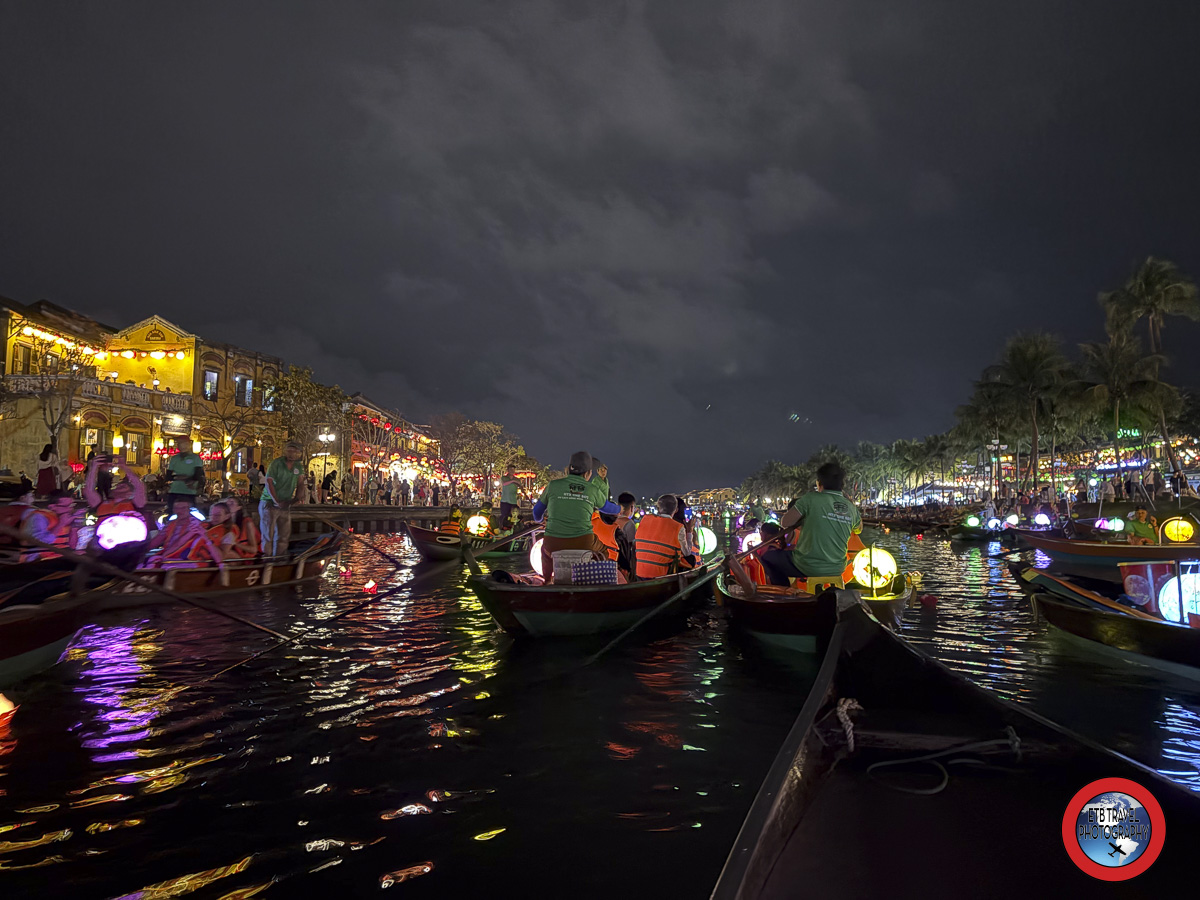
Hoi An at night

The Highlights of Hoi An

Have you ever been someplace that you have never previously heard of and then been pleasantly surprised?  Hoi An was just that for me.  All I can say is…WOW!  This city was my favorite during my ten-day G-Adventure tour of Vietnam that took us to Ho Chi Minh City, Hue, Ha Long Bay, Mai Chau, and Hanoi.

This former trading port is a living museum of architectural fusion, where ornate Chinese assembly halls, weathered Japanese bridges, and mustard-yellow French colonial villas line the banks of the Thu Bon River. As night falls, the town sheds its quiet morning charm for a surreal, lantern-lit brilliance.  Whether you’re navigating the bustling central market or floating a paper candle down the river, Hoi An’s special heritage is delightful.  As a photographer, I couldn’t enough of this vibrant city!

EXPLORE!
travel with your tech without compromising adventure

How to Travel with Your Tech Without Compromising on Adventure

Travel photography sits at the intersection of exploration and equipment. The same devices that allow you to document remote landscapes and fleeting street scenes can also weigh you down if you are not intentional about how you carry and manage them.

Adventure demands movement, flexibility, and resilience. The key is not to travel with less technology at all costs, but to travel with the right systems so your gear supports your creativity instead of restricting it.

GEAR UP!
hot air balloons in cappadocia

How to Keep a Travel Journal That Tells a Story


“Travelling—it leaves you speechless, then turns you into a storyteller.” – Ibn Battuta.

For some, the magic of travel isn’t only about the places visited but also about the stories you bring back. However, it’s easy to forget the finer details of these stories, so it’s a good idea to keep a travel journal. Documenting your travel experiences ensures those fleeting moments become lasting memories.

In this guide, you’ll learn how to create a travel journey that tells a captivating story. From capturing authentic moments to weaving a narrative and enhancing it with photography, these tips will help you craft a narrative that resonates for years to come. Get ready to transform your travels into stories worth sharing!

WRITE IT DOWN!

Around Apia

About Samoa

Samoa, once part of a larger island chain, was given to the Germans during the Tripartite Convention of 1899. At this time it became known as Western Samoa, though “Western” was dropped in 1997.

The archipelago is made up of ten islands though half are uninhabited. Savai’i is the largest island while Upolu is the most populated. The aforementioned are the most visited and four of the uninhabited islands are situated off the east coast of Upolu and comprise the Aleipata Islands which may be visited by boat.

LET’S GO

Hawai’i Volcanoes National Park

Having been on the Big Island for four days now, I finally set foot in Hawai’i Volcanoes National Park, one of the biggest reasons for me visiting the Big Island. Though I researched the park before coming to make sure it was accessible due to the eruption of Kīlauea Volcano that damaged countless homes, I still wasn’t sure what to expect.

I learned 90% of the park is open, though a few popular places such as the Jagger Museum and the Thurston Lava tube are still closed due to instability. I was also surprised to learn that the lava flow was mostly northeast of the park in Leilani Estates.

In addition, the eruption drained the lava from the collapsed Pu’u ‘O’o Crater, so hiking at night to see the lava glow wasn’t an option. Though slightly disappointed by this, it made the logistics of when and where to go a lot easier!

LET’S GO

Kona and It’s Southern Coast

Kona

For my third day and final day in Kona, not quite long enough, I strolled the downtown and then headed south along the Kona Coast. The downtown is basically one street that travels about a mile along the coast. It is complete with old Royal Palaces, churches, cafes, shops and a few unappealing, tiny beaches.

LET’S GO