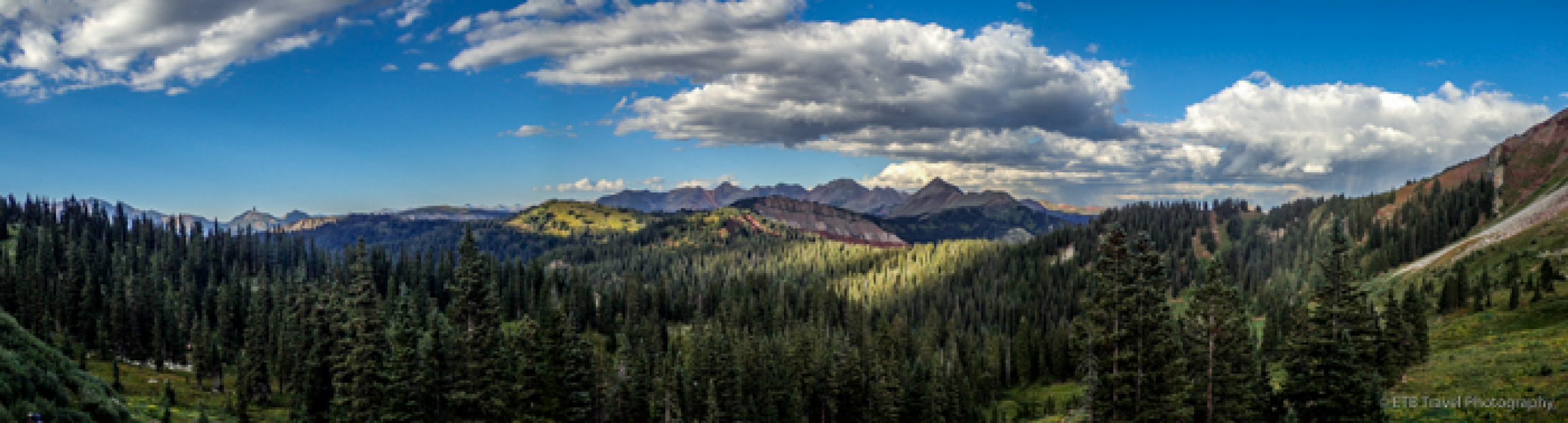
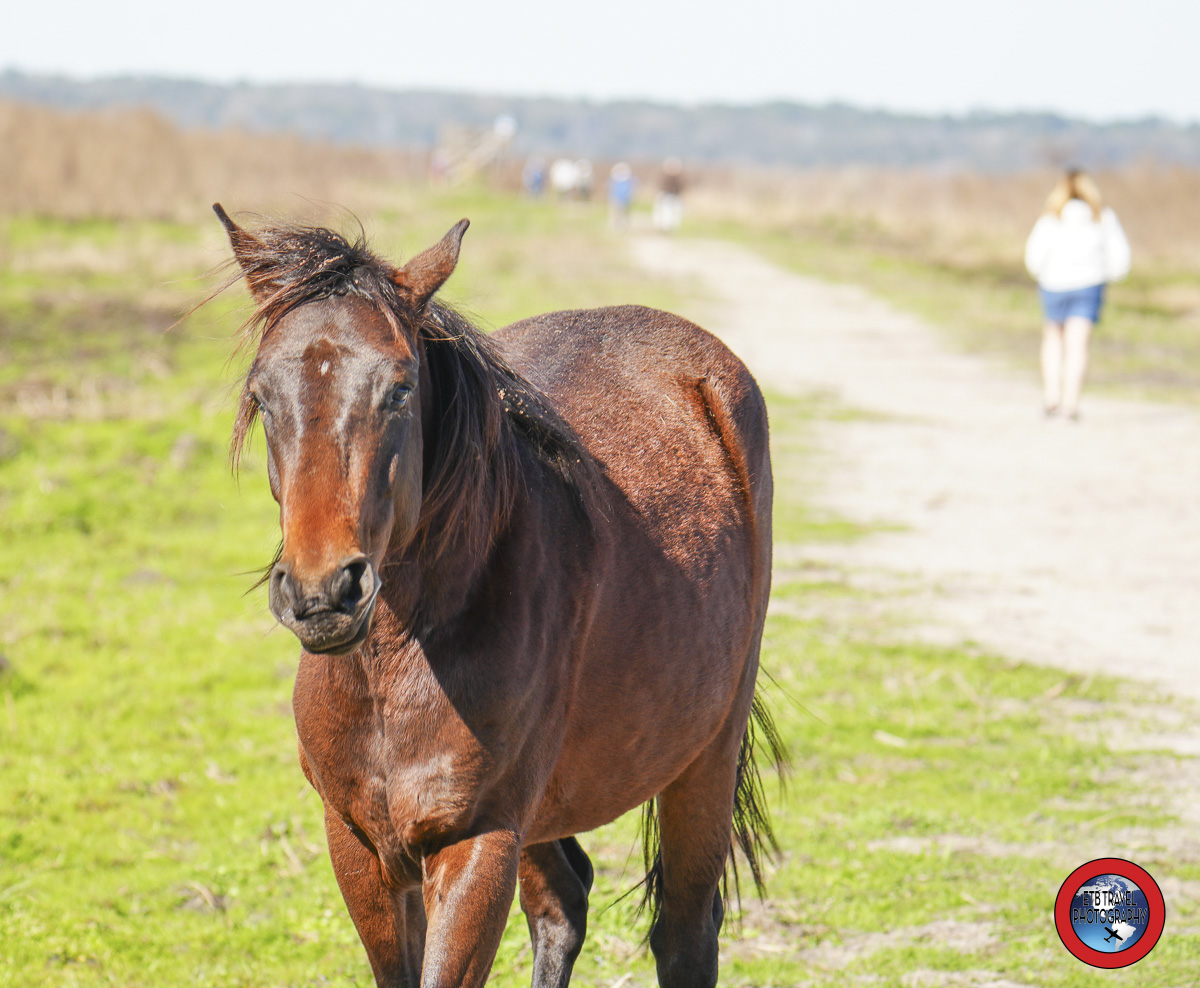
Paynes Prairie Preserve State Park

Paynes Prairie Preserve State Park…what a find!!  The park is only 13 miles south of Gainesville and 29 miles north of Ocala.  It was a perfect getaway for me and my dog Annie in between horse shows at the World Equestrian Center.

I typically don’t visit state parks because unlike National Forests, dogs have to be on a leash and there is an entrance fee.  At Paynes Prairie Preserve State Park, the fee was only $4.  I couldn’t believe it!  I am so glad I visited this 22,000 acre wilderness over two days.

HAPPY HIKING!
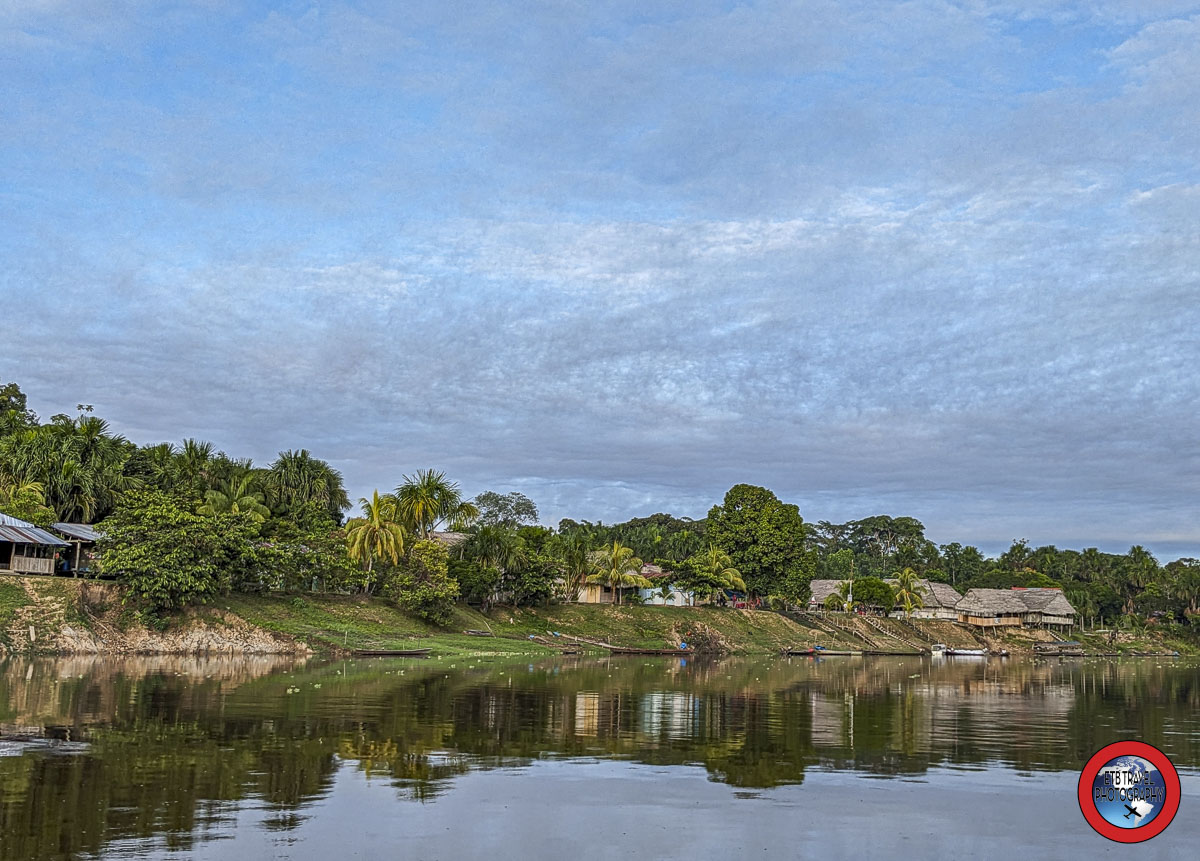
The Marañon River in the Amazon

For our fourth day on our river cruise by G Adventures in the Peruvian Amazon, we began with an early morning skiff ride down the Nahuapa River, a tributary of the Marañon River.  The plan was to enjoy a box breakfast on the skiff while watching the dolphins.  Unfortunately, they didn’t show, but we still got to enjoy the surrounding nature along the way.  It’s about the journey, not the destination, right?

WELCOME TO THE JUNGLE!
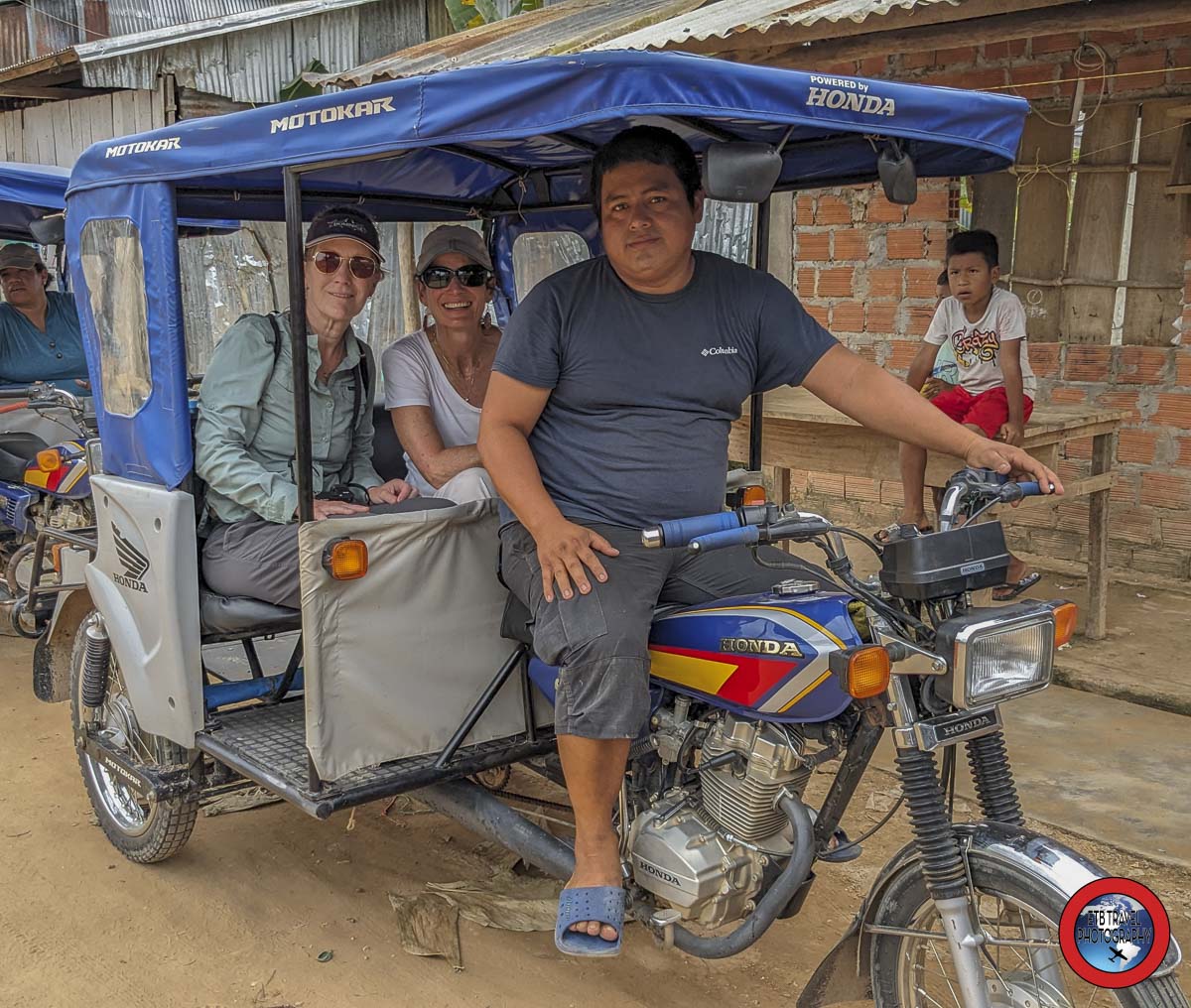
ladies in tuk tuk in nauta

Peruvian Amazon: Nauta and Pacaya-Samiria National Reserve

Our third day in the Amazon began at the confluence of the three rivers, Marañon, Ucayali, and Amazon just a few miles from Nauta and on the border of Pacaya-Samiria National Reserve. 

The Amazon River and Its Tributaries

The Ucayali is the main headwaters of the Peruvian Amazon and when it meets with the Marañon, it becomes the Amazon. Originating in the Andes not far from Cusco, the popular tourist destination for visiting Machu Picchu, the Ucayali travels 994 miles before it reaches the confluence next to Pacaya-Samiria National Reserve.

The Amazon, with its 1,100 tributaries, is the largest river in the world by volume and the first or second longest in the world (disputed with the Nile).  The massive river was initially known to Europeans as the Marañon and later became known as the Rio Amazones in Spanish and Portuguese.

At the confluence, the waters of the rivers are two different colors.  The Amazon, full of sediment, is a milk chocolate color while many of the tannin filled tributaries are black and lack sediment and nutrients.  Accordingly, settlements in the Amazonian Jungle are found near the sediment filled water and fishing takes place in the blackwater.

WELCOME TO THE JUNGLE!

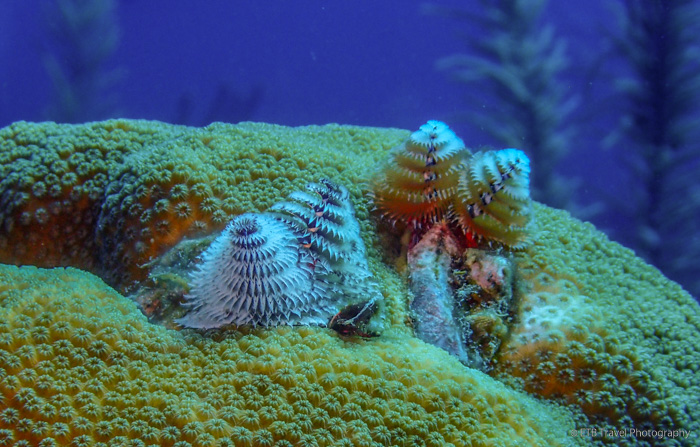
Top Dive Sites in San Andres, Colombia

Top Dive Sites in San Andrés

I wasn’t sure what to expect for diving in Colombia.  After reviewing Trip Advisor, the location of dive shops, and their websites, I contacted Banda Dive Shop in San Andrés.  They confirmed that they offered two-tank morning dives with a surface interval on the boat which included water in a bag and a small snack.  In addition, all equipment was provided.  The boat included a small canopy, captain, and 1-2 bi-lingual divemasters for 8-12 people. The price, at around $65 per day, was far less than most diving locations around the world.

I arrived at the dive shop at 8 to fill out the paper work before the scheduled 8:15 departure time which morphed into 8:45.  The paperwork was the most informal I had ever seen which basically included a waiver and a blank for my certification number.  Illnesses and the number of dives were of no importance in Colombia. Continue reading “Top Dive Sites in San Andres, Colombia”