
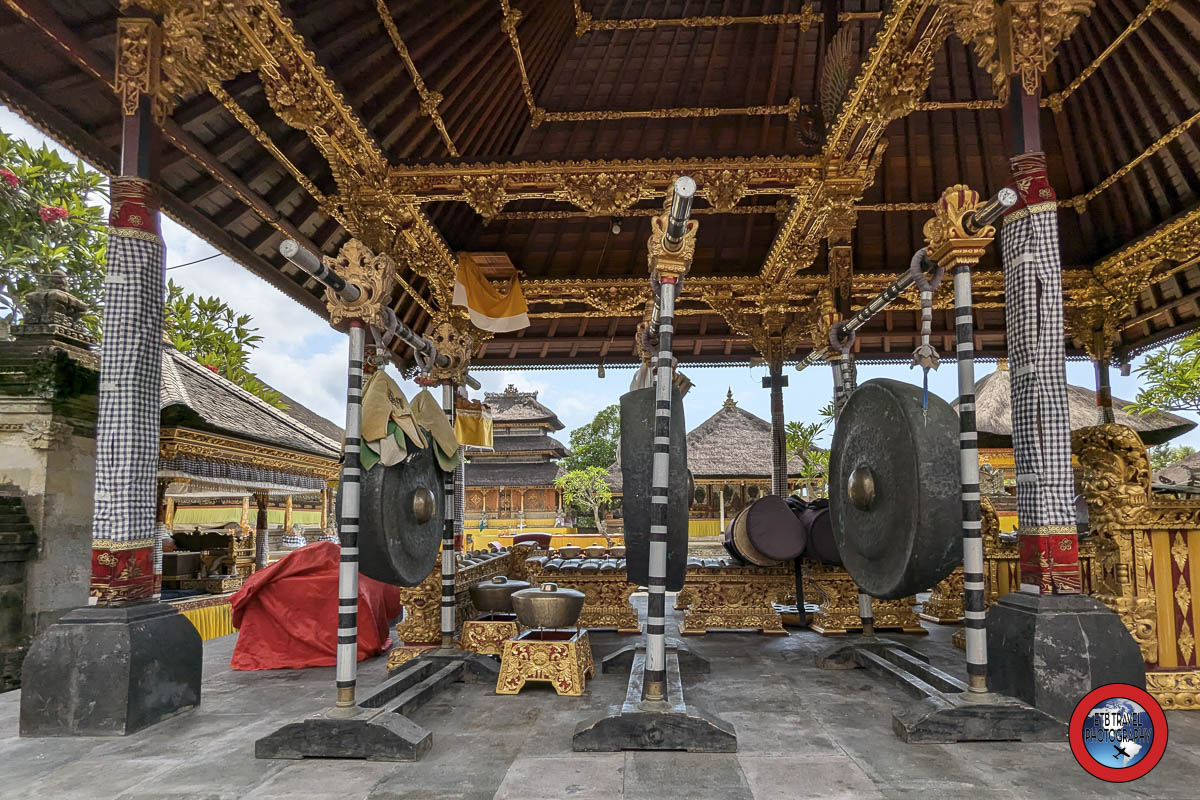
If you are picturing relaxing, sandy beaches for your next island vacation, Ubud is not it! Instead, Ubud is the cultural center of Bali with mopeds zipping in every direction. If you are interested in arts, markets, cafes, temples, and a few scattered rice fields and waterfalls, then you have come to the right place while visiting Bali.
Table of Contents
Getting to Bali
Bali is home to 14 million people, covers 2,230 square miles, and is broken into several regions. International flights arrive at the airport in Denpasar in the southeast section of the island. Expect frustration upon landing!
We, along with every other tourist, thought we had the necessary forms filled out for entry. After all, Singapore Air sent us a link to one of them. Not so! We couldn’t even get to baggage claim without filling out two other online forms (look for the QR codes posted around the area).
If you have an old phone like me, you will be in a world of hurt! The autofill wouldn’t even populate. Fortunately, I was able to fill out the first form on my friend’s phone. Next, we needed to fill out an online form with our place of stay, including the address. Despite visiting and staying in Ubud, Ubud was not an option! I ended up typing our homestay into Google to come up with the Gianyar Regency, which is like a USA county.
Thrilled to get through those hassles and finally pick up our luggage, we landed in another line for immigration. We got all the way to the counter and got sent to the back of the line with many others. People were stopping us and asking, “What do we need now? We don’t want to get turned away.”
We shrugged and said, “None of the three forms we have (which is also what the sign at the counter said)!” There was yet another nearby QR code to scan. Don’t miss it! 1.5 hours later with our bags and Indonesian Rupiahs in hand, we finally met our driver.

Car Hire to Ubud
It is common to hire a car and driver in Bali. Traffic is hellacious and the roads can be dangerous. If you time it right and arrive before 11am or after 4pm, you will likely get to Ubud in 1.5 to 2 hours.
Where to Stay in Ubud
Fortunately, our homestay driver with his intense, bumble bee yellow interior vehicle was an excellent navigator. He got us to the sidewalk that led to our homestay compound (no room for cars) in under 2 hours. We rolled our giant dive bags between the complexes to Tanah Semujan and met Wayan.
He handed over fresh cut coconut drinks; proudly showed us our large air conditioned rooms; pointed out the small, shaded pool; and politely asked us to place our breakfast order before bed. The breakfasts of eggs cooked to order, spectacular fresh fruit, and a light drizzle of black bee honey on the plate were sublime. The tiny black bees, that he raised thought so too! At first, we waved them away thinking they were annoying bugs, but then we let them the docile insects join us.

They weren’t anything like the vicious black haircutter bees in the Amazon that attack and bite (not sting) you. The black bee in Bali honey is treasured because they don’t make much, so we were grateful to have it every morning.
Names in Bali
Our homestay was close to town, so we strolled the streets each morning and evening, before and after our day tours. For our tours, we hired a private guide, Komang, that my friend had used on her previous visit to Bali.
Anyone who has been to Bali knows that the name Komang doesn’t narrow it down much. The Balinese all have the same name based on the order that they are born. Komang is the name for the third born child. By the fifth, they start over and repeat. The order of names are Wayan, Made, Komang, Ketut, and Wayan Balik. I don’t know how they answer in public!
Komang’s House
Anyway, Komang picked us up daily and took us to popular temples, waterfalls, and rice fields around Ubud and to the north. With lots of time in the car for conversation, we learned he lived with 45 family members! I was so shocked that I blurted, “I want to see your house.” To my surprise, he immediately agreed.
At first, I felt like I was invading his privacy, but the more I learned about the Balinese culture, it was almost like a compliment that I wanted to see his house and meet his family. He said for weddings and funerals families host almost the whole town at their house. The community always helps each other out.
They live in compounds, so the families each build a house behind a wall on their land. Komang’s family had 2.5 hectares which includes multiple homes, their personal temple, gardens, and some farm animals like chickens and a cow. Komang is also a beekeeper. It was so great to meet his family! I love traveling beyond tourist destinations. But I digress.

Pura Puseh Desa Batuan
Anyway, we visited his compound after spending the day exploring popular sites outside Ubud, starting with Pura Puseh Desa Batuan. This 11th century temple is located in Batuan, a 30 minute drive south of Ubud on the main road to Denpasar.
The temple, cared for by the village residents, is known for its intricate stone carvings of Balinese style. It is best to visit during a ceremony, but an interesting place to visit in Bali regardless. More detailed information may be found at Ubud Center. Please be respectful of your dress. Komang brought sarongs for us.

Tegenungan Waterfall
From the Batuan Temple, we continued to Tegenungan Waterfall. As the name suggests, it is located in Tegenungan 30 minutes from Ubud. The 50-foot falls tumble over a rock cliff surrounded by jungle.
If you are looking for a tranquil spot in nature, this is not the place for you! It is highly developed with souvenir shops at the top of the stairs and restaurants at the bottom. The uneven, stone steps are lined with photo props. Instagrammers will like the bird’s nest!
If, however, you want to splash in its cool waters with several tourists or enjoy a riverside meal while gazing at one of the most famous and accessible falls in Bali, then it is worth a visit. After a quick view of the falls, we walked the opposite direction toward the changing rooms and spotted a troop of monkeys playing in the river, the highlight of our visit! For pricing and time details, visit The World Travel Guy.

Gunung Kawi Temple
The next stop on our Ubud itinerarh was the Gunung Kawi Temple, also known as The Valley of the Balinese Kings. This 11-century temple and funeral complex is 30 minutes northeast of Ubud in Tampaksiring, and a must-see in central Bali.
As with the waterfall and most every tourist destination in Bali, you start by walking through many pop-up souvenir shops at the top of the stairs. They are tightly packed, so watch your sarong, or you could mistakenly break something. The 600 stair descent through rice paddies leads to the impressive temple which spans both sides of the Pakerisan River.
We particularly liked seeing the rock-cut shrines in the sheer cliff. These candis, as they are called in Bali, are thought to be dedicated to King Anak Wungsu of the Udayana dynasty and his favorite queens. That said, the holiest part of the temple is a non-descript room with a tomb in the middle. Visitors must remove their shoes before entering. We would have completely missed this without our guide.

Tirta Empul Temple
Since we stayed in Ubud to experience the culture in Bali, we continued our day of temple seeking and visited the Tirta Empul Temple next. This holy water temple, also located in Tampaksiring, is extremely sacred to the Balinese Hindu community.
The temple, which dates back to the 10th century, is dedicated to Vishnu, the Hindu god of water. It was built around holy spring water believed to have healing powers based on a mythical tale about the battle between god Indra and the wicked King Mayadenawa.
While the tale is much longer, in short, King Maydenawa poisoned Indra’s army who in turn pierced the ground with his staff, creating holy waters which healed them. God Indra and his army eventually killed the evil king, and his death is celebrated every 210 days on the Balinese traditional calendar as the day when Virtue triumphs over Evil in the ritual and ceremony called Galungan.
Locals visit Tirtu Empul often, and particularly near a full moon, to complete a sacred water cleansing ritual called melukat. Tourists are encouraged to participate as well, so this temple attracts hundreds of visitors daily who wait in long lines to enter the rectangular pool with 30 water spouts, each representing a different purification process.

While you can copy everyone else, it is best to have a guide who can explain the cleansing ritual and tell you which two spouts are only used by priests for cleansing the dead. In addition to the cleansing pool, the temple features the headwaters of the springs, traditional Balinese architecture with many carved idols, a fishpond, and a maze of souvenir shops at the end. It is also situated below the Presidential Palace. Don’t forget your sarong and bathing suit for this temple visit.
Kumulilir
Our final stop of the day was for a late lunch at Kumulilir, a luwak coffee plantation. For those unfamiliar with luwak coffee, it is made from the beans of coffee berries eaten by a luwak, or Bali civet cat. Yes, the most expensive coffee in the world is fermented in the luwak’s digestive track and expelled as whole beans in its poo.
The beans are collected from the cat poo, washed, dried in the sun, roasted, and then brewed. The natural fermenting process is said to make the coffee less acidic. When in Bali, I had to try it along with a sampler of some amazing teas and flavored coffee. I’m not a big coffee drinker, so I can’t attest to its acidity, but the ginger tea and lemongrass tea were divine. So was the incredible lunch setting, a deck overlooking the jungle!
We really enjoyed seeing the luwaks, learning the step by step coffee making process, and savoring the food and drinks in a lovely atmosphere. I only wish I bought more than two boxes of tea to take home! While Kumulilir is clearly catered to the tourist, luwak coffee is part of the Balinese culture. Located only 20 minutes from Ubud, this slice of solitude, about the only we found all day, was worth a visit.

After a full day tour, we didn’t have a lot of time to explore Ubud, but over our three days in Ubud, we packed in several experiences including some shopping at the market, watching a dance show, sipping a cocktail, listening to live music, strolling the streets, savoring the cuisine, and getting a massage.
Places to Eat in Ubud
We began our days taking an early morning walk to the Daily Baguette coffee shop while the streets were still quiet and sat on its upstairs porch overlooking Ubud’s main drag. The pastries looked fantastic, but we had amazing breakfasts awaiting us at Tanah Semujan, so it was just a cup of Joe for Julie. The peacefulness didn’t last long as scooters zipped by shortly after 8am!
Why Not
Why Not was definitely the place to go for live music. On a side street, this place attracted locals and tourists alike with great bands. The open air venue serves food and drinks and has a tiny dance floor for patrons to dance the night away.
Ikigai Ubud
Ikigai Ubud is a Japanese food restaurant that has earned 4.7 stars on google. The Volcano roll and tempura vegetables are popular choices. It has both indoor and outdoor seating and was regularly full of customers.
Café Lotus
Normally, I would not set foot in a place like Café Lotus. A big restaurant, street level on the main drag is not my idea of culture. Much more like my idea of a tourist trap! But their sign featuring a passion fruit drink caught our attention. I rarely drink, but if I am going to sip a cocktail, passion fruit is a favorite.

Ceremonia Rooftop Bar & Restaurant
A lovely rooftop restaurant is Ceremonia. The food is healthy and the atmosphere is delightful. It is just far enough down the mainstreet, that it features a quieter atmosphere. It is a good place to try if you plan on going to the dance show at Pura Dalem as it is only a short walk away.
Things to Do in Ubud
Watch a Dance Show
Speaking of dance shows, there are several, and this is a must-see attraction in Ubud. You will be bombarded by promotors with their flyers trying to sell you night dances: Kecak, Barong, Legong, and Kecak Fire. Many are in the temples or palace which line the main street, JI Raya Ubud. I recommend doing some research on which you prefer, before blindly buying a ticket as they vary between nights. Do you prefer a fire dance or a traditional Balinese dance that tells a story?

Shop for Souvenirs at the Ubud Market
Most of the show promoting takes place outside the market across from the Ubud Palace. The souvenir market features intricate wood carvings and masks, silk robes, and many other tourist trinkets. Buy in bulk for a better price.
Stroll Through the Ubud Palace
The Ubud Palace is home to Bali’s Royal family. As a result, much of it is closed off, though there is a small portion free for tourists to visit. It is situated across from the market on Ubud’s main street, so it easy to stroll through. At night it features one of the many captivating dance performances for which Ubud is famous.

Find a Festival in Ubud
It was surrounded in scaffolding during our visit because the city was hosting the Ubud Writers and Readers Festival at the end of October. The Writers and Readers Festival in Bali is the largest in Asia, and attracts literary types from around the world.
The Balinese know how to prepare for a festival too. The main avenue was shut down in order to hang decorations over the street! Other festivals in Ubud include Ubud Open Studios, Bali Spirit Festival, Ubud Village Jazz Festival, and Ubud Food Festival.
Indulge in a Massage
After the thousands of stairs we took to temples and waterfalls, we decided to get a massage at Alona Spa that garners 4.8 stars from google. There are many spas in Ubud with a long list of treatments, so it won’t be hard to find what suits you. Be prepared for a slightly different process and language barrier!
Don’t Miss the Ubud Monkey Forest
Having been on several safaris in Africa and having hiked with the gorillas in Rwanda, I was leery of the Ubud Monkey Forest. All I could imagine is a crazy tourist attraction. And yes, it has a Disney-like entrance, but it isn’t enclosed with fences or anything.
It is a shady expanse with paths and temples home to a troop of 1,000 monkeys. Workers do toss out corn and potatoes to them. At first it bothered me, but the monkeys are so close to town, keeping the well-fed monkeys in the forest is probably safest for all!
The monkeys are quite fun to watch. Especially in a forest setting with a river gorge and ancient temple. I love wildlife and could have photographed for hours, but others might feel like an hour is enough time.
No matter how long you stay, keep your belongings secure or the greedy, grey-haired macaques might take off with your phone or keys. And whatever you do, don’t feed them, as the docile looking creatures can be aggressive and mean. Just sit there and watch…you won’t be disappointed.


Admire the Rice Terraces
You can’t visit Bali without seeing a rice terrace. Tegalalang Rice Terraces, also known as Ceking Rice Terrace, is just 20 minutes north of Ubud. One of Bali’s most famous rice terraces, Tegalalang is a UNESCO World Heritage Site.
Rice paddies with groomed paths blanket the hillside in green as palm trees provide limited shade. Unfortunately, as with many Bali tourist attractions, it has become heavily commercialized with restaurants, ziplines, swings, and photo props.
Luckily it is possible to wander around the paths and avoid the tourist trap area. For the greenest setting, visit before harvest in April/May or September/October.

Other Cultural Experiences in Bali
The above are just a few things to do in Ubud. There are a few more cultural experiences to mention beyond Ubud which include Jatiluwih Rice Terrace, Banyumala Twin Waterfalls, and Ulun Danu Beratan Temple.
We visited the these places on another day tour from Ubud with our private driver, Komang. While we spent a lot of time in the car traveling to and from Ubud, the central mountainous region in Bali near Munduk and Bedugul is truly gorgeous!
It is worth spending a few days in the area if you have the time. We were limited to three days in Bali as we only had two weeks for vacation and spent three days in Singapore and a week on a dive boat traveling to Komodo and back.
Pura Ulun Dana Beratan
Ulun Dana Beratan Temple or Pura Bratan is on the 50,000 Rupiah note and is an iconic Instagram image. The Hindu Shaivite temple is located on Beratan Lake which is used to irrigate all the rice terraces.
Built in 1633, the temple complex is dedicated to the water goddess, Dewi Danu. The complex includes four merus (towers), two of which are on islands on the lake. When the lake is high, the merus look like they are floating on water.
While we didn’t visit the temple with high water, we were blessed to see it during a ceremony. This is another place where I could have sat there all day watching the participants march in parades, beat the gongs and drums, worship and provide offerings, and simply rest and enjoy one another’s company. I truly love experiencing the local customs.


Banyumala Twin Waterfalls
From the temple, we carried on to the Banyumala Twin Waterfalls. The road to this waterfall passes through fields of hydrangeas. I couldn’t believe my eyes. It was so amazing!
Only scooters can reach the ticket counter, so we parked the car about a 10 minute walk away next a place where they were drying nutmeg. The walk follows a paved path to the entrance and then it takes another 10 minutes to descend the giant concrete stairs to the falls. While not nearly as commercialized as the waterfall near Ubud, it was still a bit too developed for my taste.
The 70-foot waterfall streams down the cliff in multiple places to a cool pool where visitors may take a dip. Rudimentary changing rooms are across the river which may be reached by the two parallel bridges. The bridges all set up a great photo of the falls.

Twin Lake Viewpoint
Before heading to the Jatiluwih Rice Terrace, we stopped at Twin Lake Viewpoint for lunch. I absolutely loved this. We ordered noodles from the restaurant across the street and sat out on benches overlooking the magnificent Twin Lakes surrounded by jungle! Despite it being on the roadside, it felt tranquil as we gazed out on this amazing landscape!

Jatiluwih Rice Terrace
Our final stop of the day, Jatiluwih Rice Terrace, was enormous! There is literally a trail map that provides several miles worth of paths through fields. Can you imagine being able to follow a jogging path through rice terraces daily? It was beautiful.
I really liked watching workers tending the fields, including ladies that shake lines that make noise to scare away the birds. A few carts with packages of rice dotted the path. While of course they sold white rice, they also featured red and black. I was excited to score the rare, nutty flavored black rice which is a healthier choice at a reasonable price!

Conclusion
Wow! I feel like I have been writing for hours, and I have only covered a limited number of places to visit near Ubud. Bali has so many different areas from beaches to mountains to cultural centers that you really need to plan your vacation based on the activities that appeal to you. Ubud is best for those who want to experience the Balinese culture. ETB
Want to Take This Article With You?
This article is now available as a mobile app. To download this article for offline reading or travel directions to the attractions highlighted in this article, go to Walking Tours and Articles in Ubud on GPSmyCity.
Like It? Pin It


Very nice place to visit
Ubud is so beautiful, we loved our visit and enjoyed seeing it through your eyes 🙂
I must say, those Rice Terraces are absolutely stunning and truly impressive. Very nice photos and a great guide!
Thank you! I loved the rice terraces
Enjoyed these posts about Indonesia. On my way there is Feburary!
Happy Travels Amiga.
Enjoy your trip! Hope all is well in Mexico!!