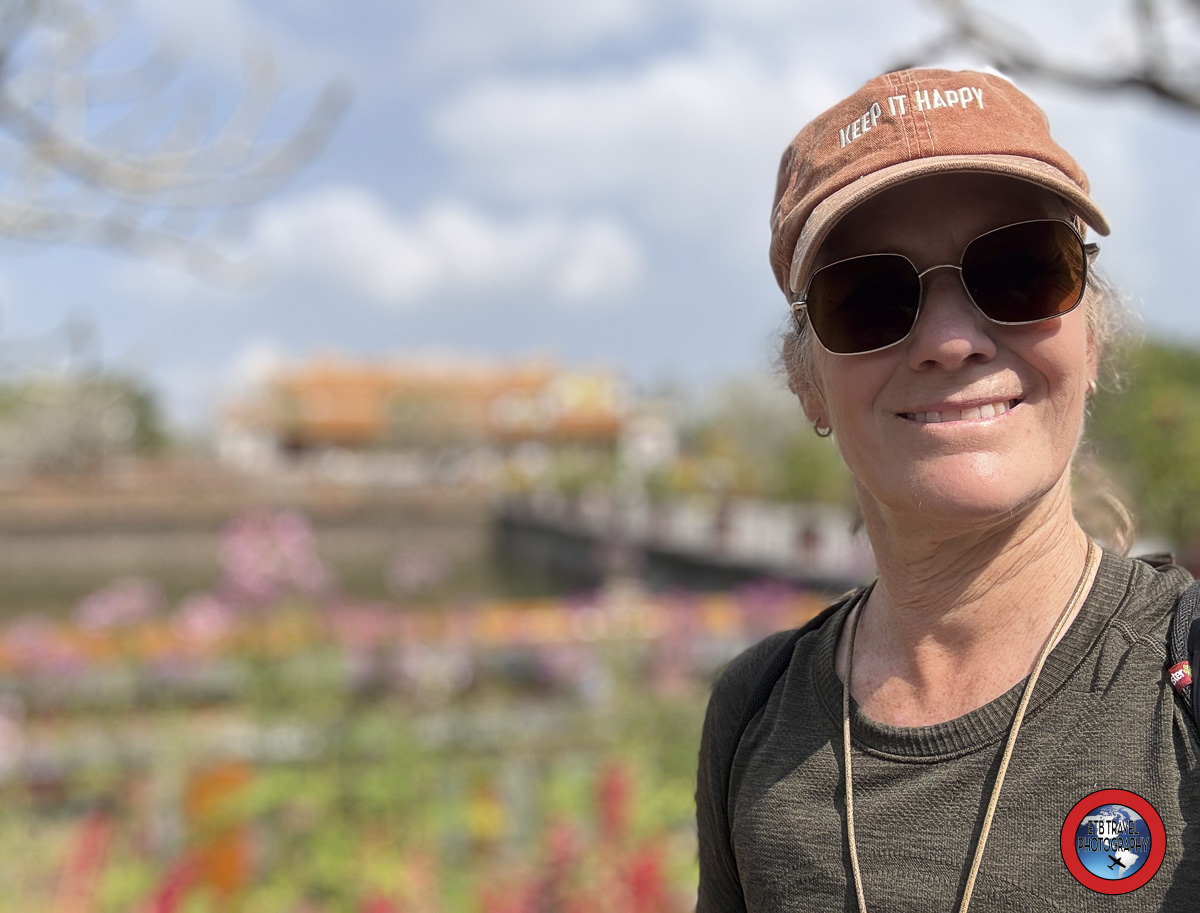
Selfie in fron of Hue Imperical City

24 Hours in Hue

After a day in Hoi An, we took a four-hour bus ride to Hue.  It is closer to a three-hour drive, but many stop to explore Hai Van Gate, a defensive fortification used by many dynasties.  Perched atop the mountain with expansive views, Hai Van Gate was very important to the frontier passage of Vietnam.   It is free to enter and across the street are few open air restaurants catering to tourists.

About Hue

Founded as the seat of the Nguyen Dynasty in 1802, Hue served as the imperial heart of a unified Vietnam for over a century. This era of high Confucian culture and grand imperial construction eventually shattered during the mid-20th century, as the city became a brutal focal point of the Indochina Wars and the devastating 1968 Battle of Hue.

The city is split in two by the Perfume River, with the historic Citadel on the North Bank and the new city on the South Bank. We stayed at the Asia Hotel on the South Bank, where the city’s modern pulse, French colonial history, and vibrant nightlife converge.   Having arrived in the late afternoon, we had a few hours to take a stroll before dinner.

EXPLORE!
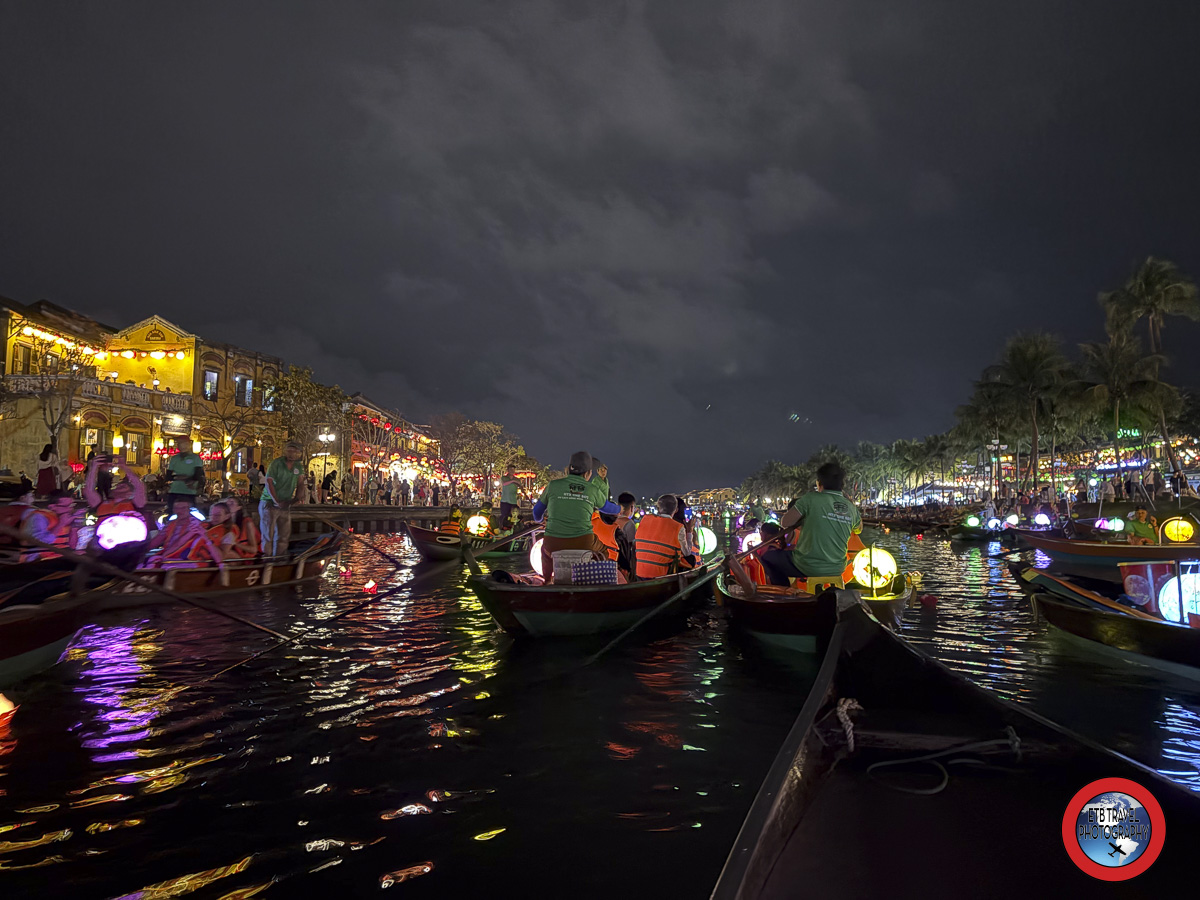
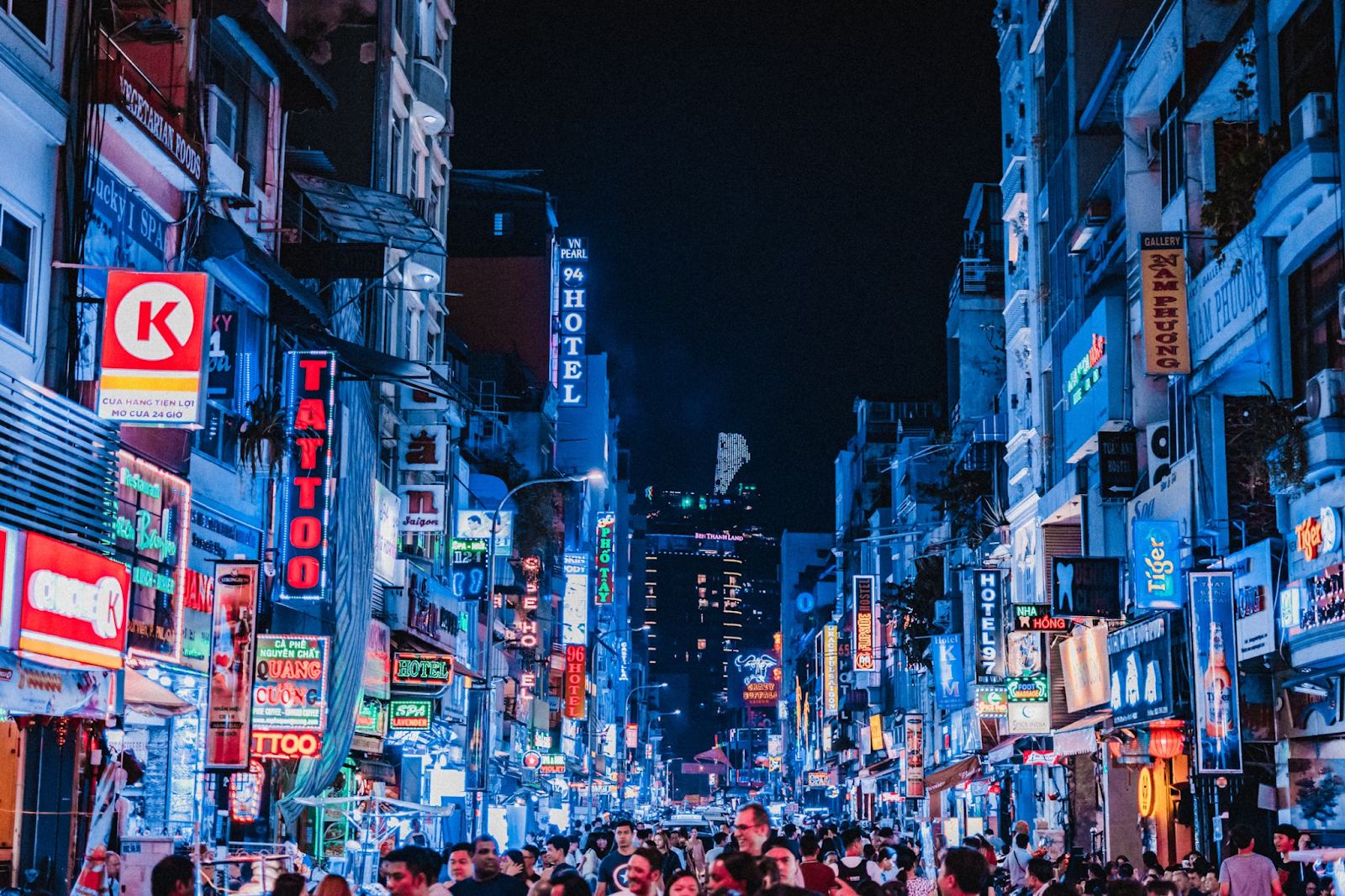
Hoi An at night

The Highlights of Hoi An

Have you ever been someplace that you have never previously heard of and then been pleasantly surprised?  Hoi An was just that for me.  All I can say is…WOW!  This city was my favorite during my ten-day G-Adventure tour of Vietnam that took us to Ho Chi Minh City, Hue, Ha Long Bay, Mai Chau, and Hanoi.

This former trading port is a living museum of architectural fusion, where ornate Chinese assembly halls, weathered Japanese bridges, and mustard-yellow French colonial villas line the banks of the Thu Bon River. As night falls, the town sheds its quiet morning charm for a surreal, lantern-lit brilliance.  Whether you’re navigating the bustling central market or floating a paper candle down the river, Hoi An’s special heritage is delightful.  As a photographer, I couldn’t enough of this vibrant city!

EXPLORE!

Ho Chi Minh City: History, Culture, and Commerce

History of Ho Chi Minh City

Ho Chi Minh City (HCMC) is a city with a storied past.  Formerly known as Saigon, the city was ruled by many dynasties with the last being the Nguyen dynasty, thus many Vietnamese carry this as their last name.

The French attacked and captured Saigon in 1859 and officially named it the capital of the colony of Cochinchina in 1862.  For a brief period between 1887-1901, it even served as the administrative center for the entire Indochinese Union which included Vietnam, Cambodia, and Laos. Though eventually the capital was moved to Hanoi, under the 100 year French Rule, Saigon was known as the Pearl of the East.

After the Japanese occupation during World War II and the First Indochina War (or the French War as the Vietnamese call it), the country was split in two at the 17th parallel and Saigon served as the capital of the Republic of Vietnam (South Vietnam).

Saigon remained the capital of South Vietnam from 1954-1975 until the reunification of the north and south at the end of the Vietnam War or the American War as the Vietnamese call it.  Saigon was renamed to Ho Chi Minh City in 1976 to honor the late revolutionary leader of the Viet Minh, Ho Chi Minh who died before seeing his country reunified.

Though no longer the capital of Vietnam, HCMC is the largest city in Vietnam with a population of 14 million people.  As Vietnam’s economic hub with a complex history, HCMC features a combination skyscrapers and French colonial architecture. Vibrant street culture mixes with an increasingly cosmopolitan lifestyle, providing a variety of things to do for visitors.

EXPLORE!
street photography in vietnam

Vibrant Street Photography Opportunities: Saigon vs Hanoi

What’s your best way to photograph the true spirit of Vietnam? Among Southeast Asian destinations Vietnam stands out as an exceptional location for street photography. The bustling markets and historic architecture combined with vibrant cultural elements create perfect conditions for photographers. Photographers planning their trip face one essential question.

Should you go to Hanoi or Saigon (Ho Chi Minh City)?

These cities give completely different photo experiences. Each city bursts with energy and authentic life experiences which reveal their distinctive stories through your photography. This article reveals the unique elements of each city that create special street photography opportunities through lighting and cultural influences on your images.

SNAP A PHOTO!
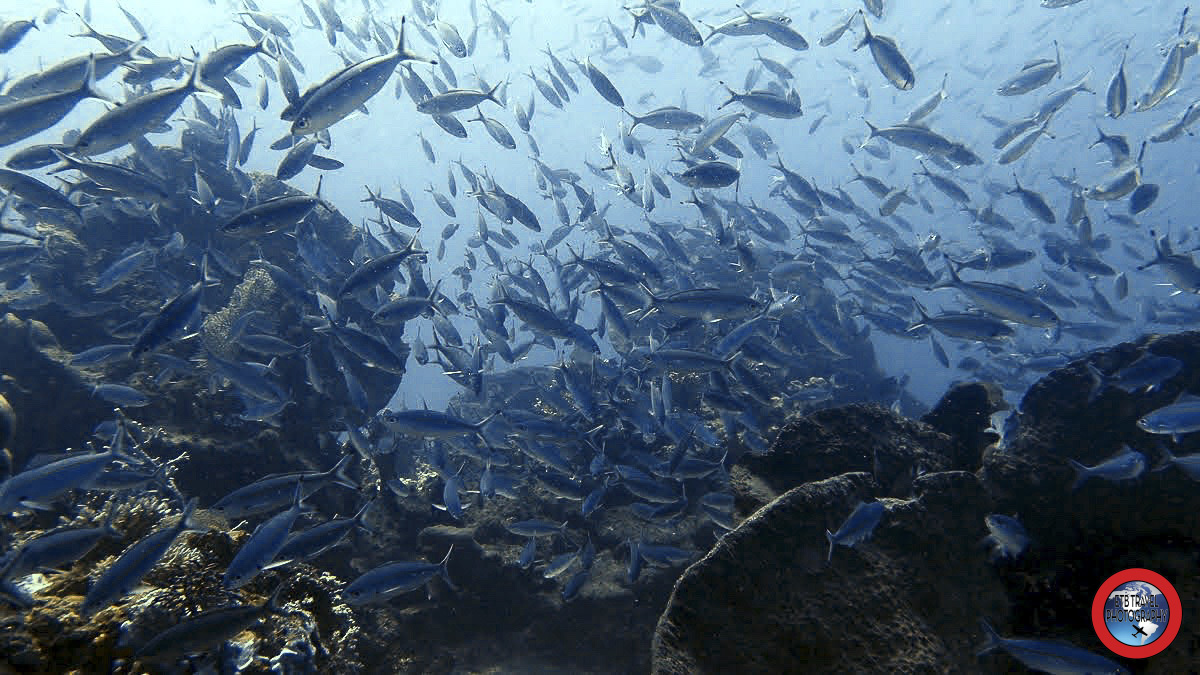
scuba diving in indonesia

SCUBA Diving in Indonesia

I recently returned from SCUBA diving in Indonesia on the Mermaid II liveaboard.  The 7-day itinerary was Bali-Komodo-Bali, and we dove six of those days, with the rest being transit.

The Mermaid II spends most of its time in Bali, Komodo, and Raja Ampat with a few weeks in Lembeh, Alor, and the Banda Sea.  The SCUBA diving in these areas is superb! The marine life and biodiversity are like none other.  Mantas swoop overhead while rare nudibranchs, frogfish, pipefish, and pygmy seahorses hide in the colorful corals.

DIVE IN!
Komodo dragon

Komodo Island’s Komodo Dragons

After three days in Singapore and three days in Bali, we finally boarded our dive boat to explore the waters of Indonesia on the way to Komodo Island and back.  I’m embarrassed to admit that on our 7 day dive-centric trip, I was most excited about potentially seeing a Komodo dragon!  That statement probably sounds like blasphemy to my fellow SCUBA divers, but I had never seen one of these endangered creatures.

The Komodo dragon, the largest lizard in the world, may only be found in the wild in Komodo National Park, a UNESCO World Heritage Site.  The park is comprised of three large islands in Indonesia’s Lesser Sundra Archipelago: Komodo, Padar, and Rinca, as well as many smaller ones. 

GO KOMODO!
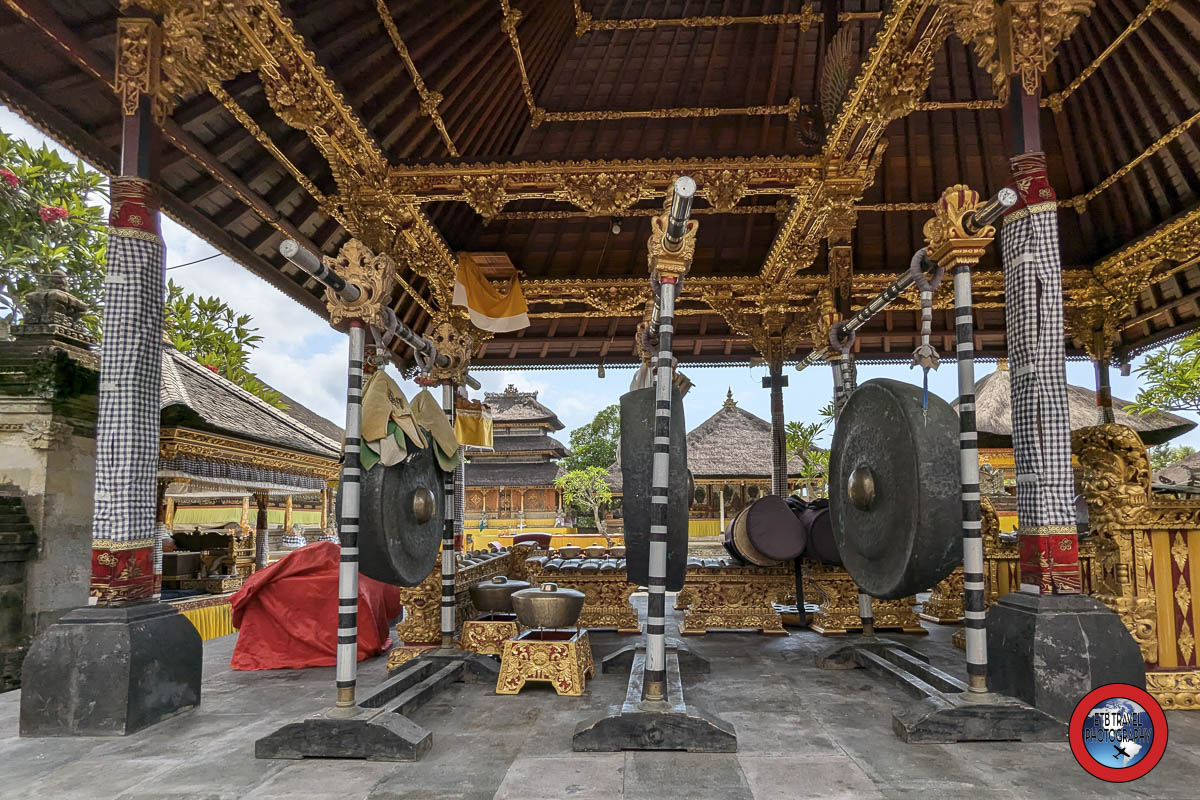
Ubud

Ubud: Bali’s Cultural Center

If you are picturing relaxing, sandy beaches for your next island vacation, Ubud is not it!  Instead, Ubud is the cultural center of Bali with mopeds zipping in every direction.  If you are interested in arts, markets, cafes, temples, and a few scattered rice fields and waterfalls, then you have come to the right place while visiting Bali.

EXPLORE!

Singapore: Three Day Itinerary

Singapore is an island and city state in Maritime Southeast Asia. Ruled by England, Japan, and Malaysia before becoming an independent country in 1965, Singapore features a diverse culture.  It boasts a population of nearly 6,000,000, with 43% being foreign born.

EXPLORE!
horse culture in mongolia

How to Capture Culture in Photographs

If you ask me what my favorite genre of photography is, I don’t even have to think about the answer. Adventure photography is one of the most exciting and connective ways to capture the world. It broadens both global and personal horizons, brings unlikely people together, and creates the opportunity for extraordinary memories and experiences to emerge.

But I can tell you, there’s so much more to adventure and travel photography than catching a flight and snapping some pictures. It’s a specialty that requires strong intuition, deference, trust, and respect for the people and cultures that you encounter along the way.

It’s extremely important to remain aware of a country’s traditions, practices, and forms of communication to truly capture its essence in an authentic and appropriate way.

Without a sensitive and respectful approach to cultural and travel photography, your cultural appreciation can turn into cultural appropriation – an outcome that won’t serve you or the beautiful people and places you capture throughout your travels.

So, next time you plan a travel photography adventure, keep my tips in your back pocket to ensure you take more memorable, authentic, and culturally appreciative photos.

POINT AND CLICK!

Travel Photo Challenge Day 2

I’ve been nominated by some fellow bloggers, Tony and Margie with Back Roads and Other Stories as well as Jyothi with Travel Explore Enjoy, to post one favorite travel picture a day for ten days without explanation, then to nominate someone else to participate.  That’s 10 days, 10 travel pictures, and 10 nominations.  It is my understanding that the idea behind the challenge is to expose audiences to new bloggers and vice versa.  I’m always up for helping fellow bloggers, so I have accepted the challenge. 

That said, my rule following self is going to follow Tony and Margie’s lead and break a handful of them.  First, while a picture paints a 1,000 words, I’m incapable of posting a photo without some explanation.  Sometimes the story makes the image that much more special.  Second, though not specified, I think the intent is to post 10 days in a row.  I’ll be lucky if I post 10 weeks in a row.  Finally, I sometimes might post a series of photos.

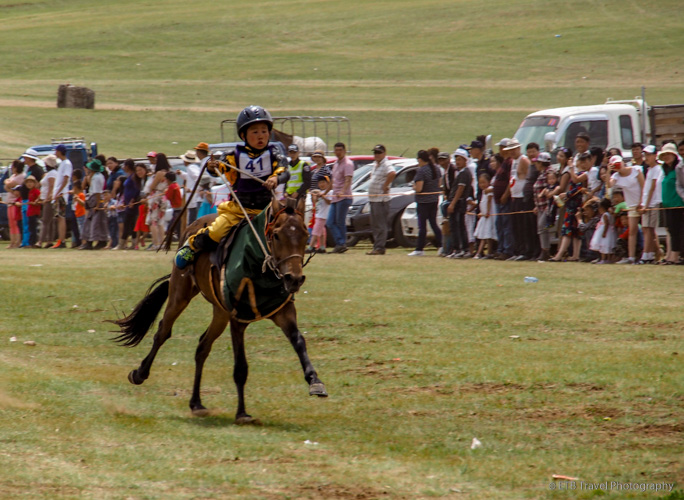
Mongolia

I’m finally getting to Travel Photo Challenge Day 2.  Today I’m including a series of photos taken in Mongolia, a trip I would have never taken if it weren’t for my friend Page who invited me.  I almost still didn’t go because I already had many trips planned for the year and the best time to visit Mongolia is during Naadam in July when I stay home to hike in Colorado.  After all, I suffer through the winter in order to enjoy the summer and fall in CO.

TAKE THE CHALLENGE!