
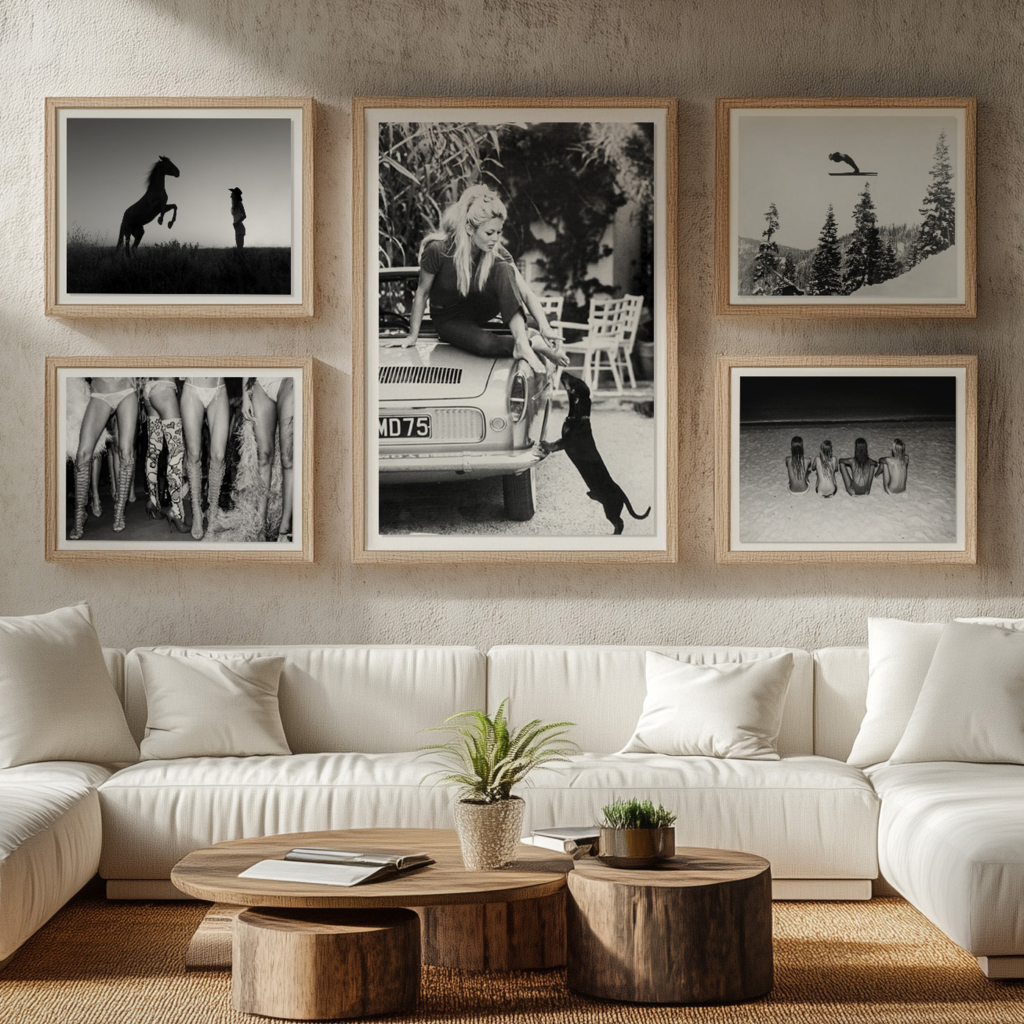
The walls of our homes have become canvases for personal expression, and luxury wall art has emerged as one of the most powerful tools for creating spaces that feel both sophisticated and deeply personal. As homeowners move away from mass-produced prints toward pieces with genuine artistic merit, the market for high-quality wall art has expanded dramatically. These carefully curated pieces do more than fill empty space—they establish mood, anchor design schemes, and reveal the sensibilities of those who live among them.
Travel photography occupies a distinctive position in this landscape. Unlike abstract compositions or traditional portraiture, travel images carry the weight of place and experience. A well-executed photograph from Kyoto’s bamboo forests or Iceland’s volcanic coastlines doesn’t simply decorate—it transports. When printed with archival materials and presented in museum-quality frames, these images become legitimate art objects that bring distant geographies into intimate spaces. This article examines how luxury wall decor, particularly travel photography, can fundamentally reshape interior environments.
The Historical Context of Art as Status and Expression
Wall art has signaled wealth and cultural sophistication for millennia. The frescoed villas of Pompeii, the tapestried halls of medieval castles, and the portrait galleries of Renaissance palaces all served dual purposes: aesthetic pleasure and social positioning. What has shifted isn’t the impulse to display art, but rather who has access to it and what forms it takes.
The democratization of art ownership accelerated dramatically in the 20th century, yet luxury pieces maintain their appeal precisely because they resist mass production. Collectors increasingly value provenance, limited editions, and artist reputation over purely decorative appeal. This shift has elevated photography—once considered a purely documentary medium—into the realm of collectible fine art.
Today’s luxury wall art serves less as a display of wealth than as a declaration of identity. The pieces we choose reflect not just aesthetic preferences but values, experiences, and aspirations. A carefully selected travel photograph can communicate worldliness, environmental consciousness, or appreciation for cultural diversity—messages that resonate far more deeply than generic hotel art ever could.
Selecting Wall Art That Elevates Your Space
Choosing the right piece requires more than matching colors to your sofa. The most successful installations consider multiple dimensions simultaneously:
- Scale and Proportion: Large-format prints command attention in spacious rooms with high ceilings, while smaller works create intimacy in confined spaces. The relationship between wall size and artwork dimensions determines whether a piece feels intentional or awkward.
- Architectural Context: Modern minimalist interiors call for different approaches than traditional or eclectic spaces. Consider existing lines, textures, and architectural features when selecting subject matter and framing styles.
- Color Relationships: Rather than exact matching, look for complementary or analogous color schemes that create visual dialogue. A photograph dominated by cool blues can balance warm-toned furnishings, while earth tones unify disparate elements.
- Emotional Resonance: The most successful art installations evoke specific feelings. Dramatic landscapes energize, while minimalist compositions calm. Consider the psychological function of each room when selecting imagery.
Interior designers often emphasize the importance of living with art before committing. Many galleries and specialized retailers now offer trial periods, allowing homeowners to test how pieces interact with changing light conditions and daily routines. Homeowners can select space-elevating wall art from Leisure Piece, Art.com, or McGaw Graphics for interior design-aligned artwork.
The Psychological Impact of Visual Art in Living Spaces
The presence of thoughtfully selected art does more than please the eye—it fundamentally alters how we experience our environments. Research in environmental psychology has demonstrated measurable effects:
- Stress Reduction: Natural landscapes and calming compositions activate the parasympathetic nervous system, lowering cortisol levels and heart rate. This effect proves particularly valuable in bedrooms and private retreats.
- Cognitive Stimulation: Complex, layered images encourage sustained attention and contemplation, making them ideal for studies and creative workspaces where mental engagement matters.
- Memory and Identity: Personal photographs and travel imagery trigger autobiographical memory, strengthening our sense of continuity and self. These pieces transform houses into homes by anchoring them in personal narrative.
- Social Connection: Distinctive art becomes a conversation catalyst, facilitating deeper interactions with guests and creating shared experiences around aesthetic appreciation..
Travel Photography as Collectible Fine Art
The elevation of travel photography from vacation snapshots to museum-worthy art represents one of the most significant shifts in contemporary collecting. What distinguishes a luxury travel print from a standard photograph?
- Technical Excellence: Professional travel photographers work with high-resolution medium format cameras, capturing detail and tonal range impossible with consumer equipment. The difference becomes apparent in large-format prints where inferior images fall apart.
- Compositional Sophistication: Beyond documenting a location, fine art travel photography employs classical compositional principles—leading lines, balanced asymmetry, strategic use of negative space—that create visual tension and resolution.
- Limited Editions: Serious collectors seek numbered, limited-edition prints with certificates of authenticity. This scarcity model, borrowed from traditional printmaking, preserves value and ensures exclusivity.
- Archival Materials: Museum-grade papers, pigment-based inks, and UV-protective glazing ensure prints maintain their vibrancy for decades. These materials cost significantly more than standard photo prints but prove essential for pieces intended as long-term investments.
Room-Specific Strategies for Luxury Wall Art
Different spaces within a home serve distinct functions and therefore benefit from tailored approaches to art selection:
- Living Rooms: As primary gathering spaces, living rooms can accommodate bold, large-scale works that serve as focal points. Consider statement pieces above sofas or fireplaces—dramatic landscapes or architectural studies that anchor the room’s visual hierarchy. Multiple smaller works arranged in gallery walls offer an alternative approach for eclectic or transitional spaces.
- Bedrooms: Private spaces call for more personal, contemplative imagery. Soft-focus landscapes, minimalist compositions, or black-and-white photography create restful environments conducive to sleep. Avoid overly stimulating colors or complex compositions that might interfere with relaxation.
- Bathrooms: Often overlooked, bathrooms present unique opportunities for luxury art. Moisture-resistant framing and acrylic glazing protect prints in humid environments. Coastal scenes, water-themed abstracts, or serene natural landscapes reinforce the room’s restorative function.
- Home Offices: Workspaces benefit from art that inspires without distracting. Travel photography depicting aspirational destinations can motivate, while organized, geometric compositions support focus and productivity.
Lighting deserves special consideration in any installation. Natural light enhances most photography but can cause fading over time. UV-protective glazing mitigates this risk, while picture lights or track lighting allow precise control over how pieces are illuminated. Many designers recommend adjustable lighting systems that accommodate seasonal changes in natural light.
Framing as an Integral Element of Luxury Presentation
The frame is not merely a protective border but an essential component of how we perceive and value art. Museum curators spend considerable time selecting frames that enhance without overwhelming, and the same principle applies to residential installations.
- Material Selection: Solid hardwood frames convey traditional elegance, while metal frames suit contemporary spaces. Acrylic boxes create a floating effect popular in modern galleries. Each material communicates differently and should align with both the artwork and surrounding decor.
- Profile and Proportion: Frame width should relate to image size—larger prints generally require more substantial frames to maintain visual balance. Thin frames risk appearing insubstantial, while overly ornate frames compete with the image itself.
- Matting Considerations: Museum-quality matting creates breathing room around images and prevents direct contact between print and glazing. Acid-free materials prevent discoloration over time, essential for preserving investment-grade pieces.
- Glazing Options: Standard glass suffices for low-light areas, but UV-protective glazing proves essential for pieces exposed to natural light. Museum glass eliminates reflections entirely, though at a significant cost premium.
Professional framing represents a substantial portion of total artwork cost—often 30-40% for luxury pieces. This investment protects the print while elevating its presentation to gallery standards. Attempting to economize on framing undermines the impact of even the finest photography.
Building a Cohesive Collection Over Time
Few homeowners acquire all their wall art simultaneously. More commonly, collections develop gradually as tastes evolve and budgets allow. This organic approach often produces more authentic, personally meaningful results than one-time purchasing sprees.
Successful collectors often identify a unifying thread—a particular region, color palette, or photographic style—that creates coherence without rigid uniformity. A collection focused on Mediterranean architecture, for instance, might include images from Greece, Italy, Spain, and Morocco, united by shared light quality and building traditions despite geographic diversity.
Rotating artwork seasonally keeps spaces feeling fresh and allows different pieces to shine. Summer might call for bright coastal scenes, while autumn invites warmer, more introspective imagery. This practice also protects pieces from prolonged light exposure, extending their lifespan.
As collections grow, documentation becomes important. Maintain records of purchase dates, edition numbers, artist information, and provenance. This information proves valuable for insurance purposes and potential future sales. Photograph installations to track how pieces have been displayed and which combinations proved most successful.
Luxury wall art, particularly travel photography, offers a unique intersection of aesthetic pleasure, personal meaning, and investment value. By approaching selection thoughtfully—considering technical quality, emotional resonance, and architectural context—homeowners create environments that genuinely reflect their experiences and aspirations. The walls we live within shape our daily experience more profoundly than we often recognize, making the art we choose to display one of the most consequential design decisions we make.

Published by