Our final two days in the Peruvian Amazon with G Adventures included a sunrise cruise, piranha fishing, an afternoon nature hike, and a visit to a manatee rescue center before we bid our farewells.
WELCOME TO THE JUNGLE!
Adventure Travel Photography Blog

Our final two days in the Peruvian Amazon with G Adventures included a sunrise cruise, piranha fishing, an afternoon nature hike, and a visit to a manatee rescue center before we bid our farewells.
WELCOME TO THE JUNGLE!
For our fifth day cruising the Peruvian Amazon with G Adventures, we continued along the Marañón River and its tributaries which flow into the Amazon near Pacaya Samiria National Reserve. It was a day of culture in the Amazon including meeting a Shaman and a mayor, having lunch in an Amazon community, learning to dye materials with resources from the Amazon, and enjoying music of the Amazon.
WELCOME TO THE JUNGLE!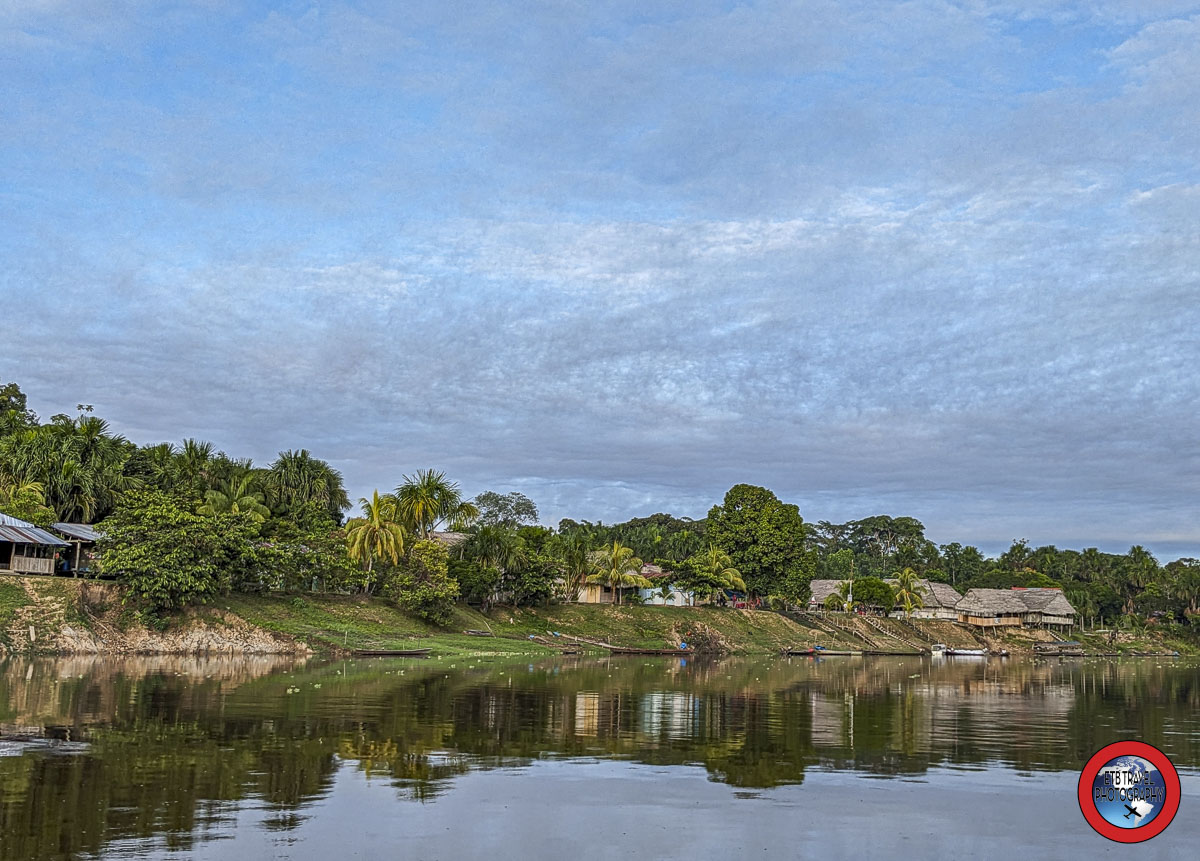
For our fourth day on our river cruise by G Adventures in the Peruvian Amazon, we began with an early morning skiff ride down the Nahuapa River, a tributary of the Marañon River. The plan was to enjoy a box breakfast on the skiff while watching the dolphins. Unfortunately, they didn’t show, but we still got to enjoy the surrounding nature along the way. It’s about the journey, not the destination, right?
WELCOME TO THE JUNGLE!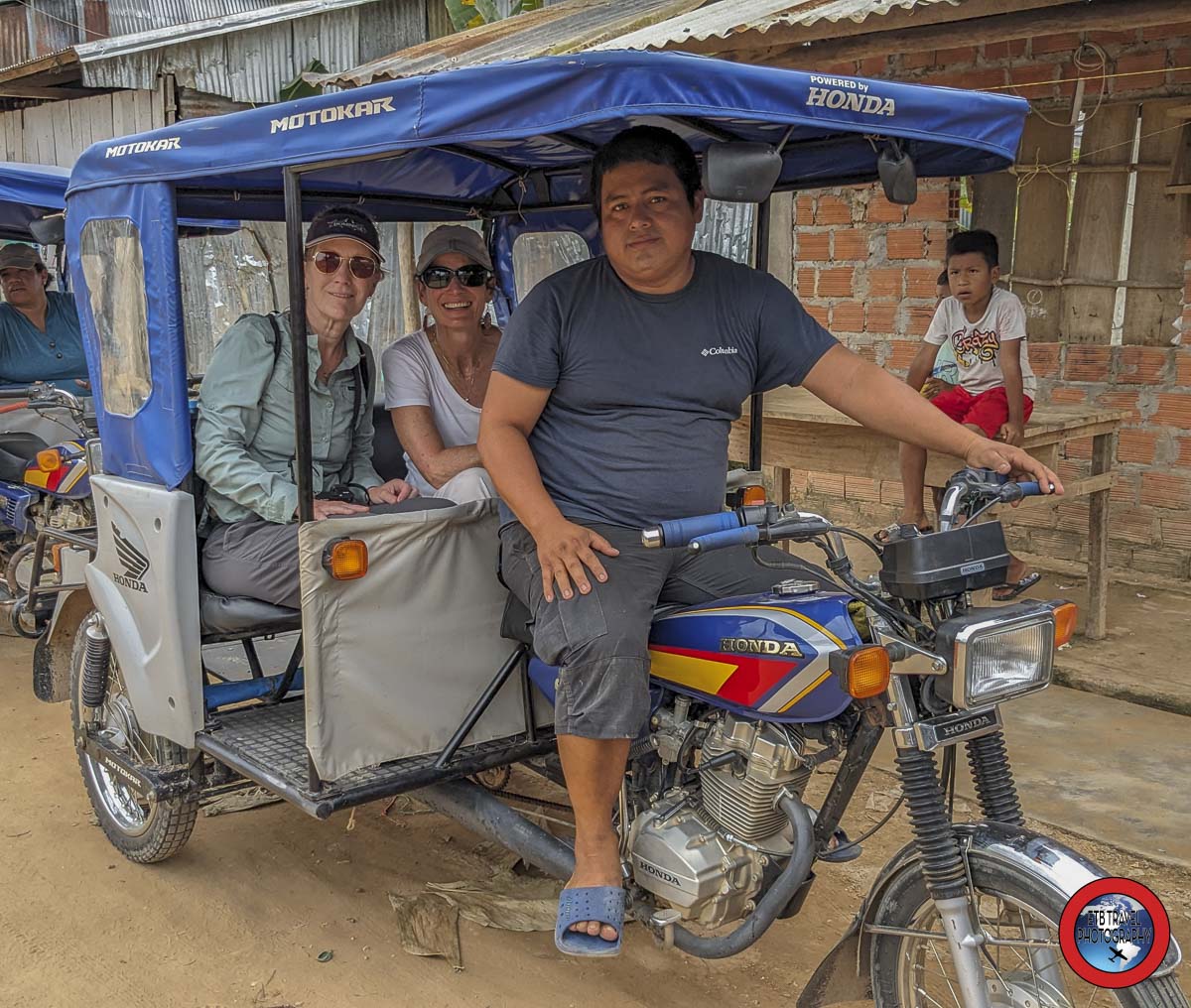
Our third day in the Amazon began at the confluence of the three rivers, Marañon, Ucayali, and Amazon just a few miles from Nauta and on the border of Pacaya-Samiria National Reserve.
The Ucayali is the main headwaters of the Peruvian Amazon and when it meets with the Marañon, it becomes the Amazon. Originating in the Andes not far from Cusco, the popular tourist destination for visiting Machu Picchu, the Ucayali travels 994 miles before it reaches the confluence next to Pacaya-Samiria National Reserve.
The Amazon, with its 1,100 tributaries, is the largest river in the world by volume and the first or second longest in the world (disputed with the Nile). The massive river was initially known to Europeans as the Marañon and later became known as the Rio Amazones in Spanish and Portuguese.
At the confluence, the waters of the rivers are two different colors. The Amazon, full of sediment, is a milk chocolate color while many of the tannin filled tributaries are black and lack sediment and nutrients. Accordingly, settlements in the Amazonian Jungle are found near the sediment filled water and fishing takes place in the blackwater.
WELCOME TO THE JUNGLE!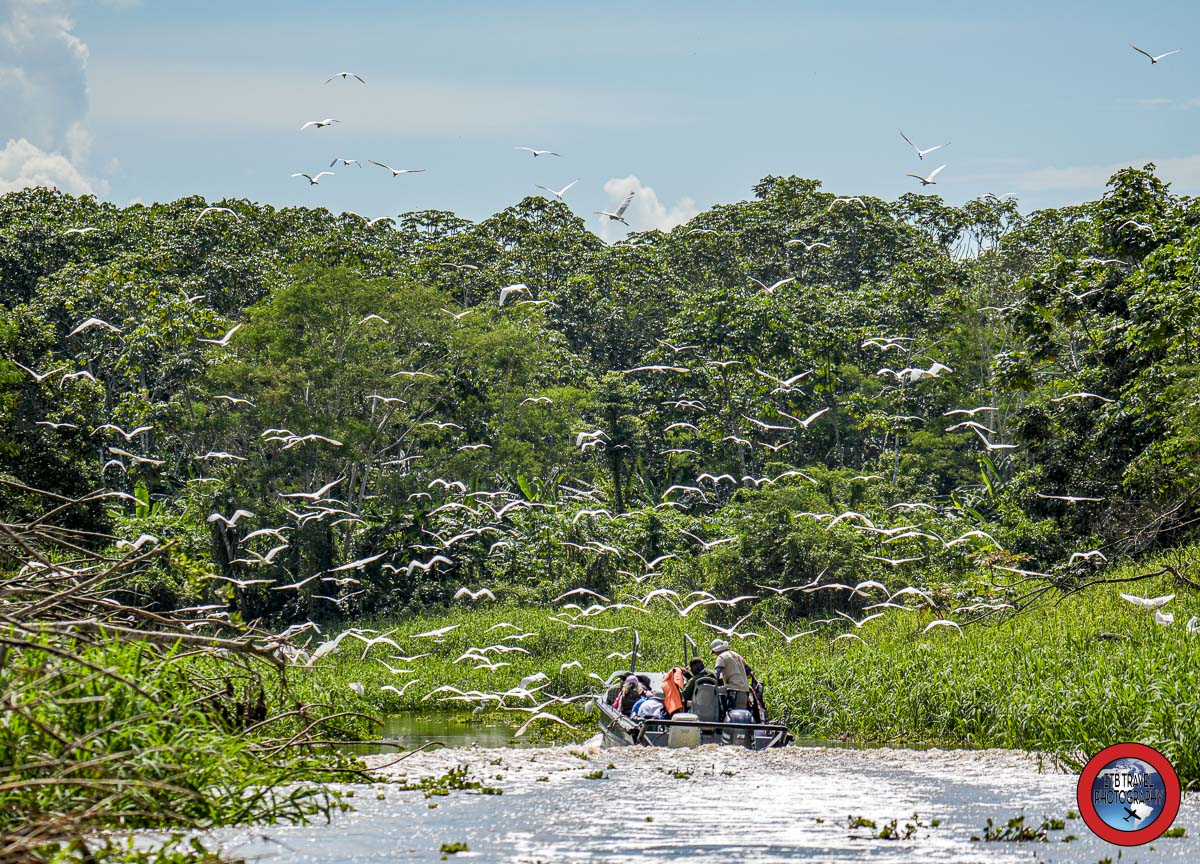
For our second day in the Peruvian Amazon with G Adventures, we began with a pre-breakfast skiff ride. Donning our life vests, we loaded onto the skiffs around 6:30 am as the sun rose overhead. We cruised the bank in search of wildlife and birdlife near Huasi Village where we “anchored” for the night. Anchored is in quotes because they don’t use an anchor or a mooring. Instead, the just beach the boat on the shore!
WELCOME TO THE JUNGLE!