For travelers who spend their days chasing good light across state parks, coastal trails, and backcountry roads, honey bees are a familiar part of the scenery. Anyone who has photographed wildflower fields in the Southeast or waited patiently near a blooming citrus grove for the perfect shot has likely heard that low, steady hum before seeing the bees themselves. What many adventure travelers do not realize is that those same bees are protected under specific state and federal rules, and that stumbling onto a wild colony or a managed hive during your travels carries real legal and ethical responsibilities.
This matters more in Florida than almost anywhere else in the country. The state’s warm climate supports year-round agriculture, which means honey bees are working somewhere in Florida during every month of the calendar. Travelers photographing orange groves, botanical gardens, or rural back roads are statistically more likely to encounter active colonies than visitors to cooler states where bees are dormant for much of the year. Understanding the seasonal rhythm of bee activity helps nature photographers plan safer shoots and helps anyone renting a vacation property avoid accidentally disturbing a protected colony.

Florida law treats honey bees differently than most insects because of their agricultural and ecological value, and the rules around disturbing, destroying, or relocating colonies are more detailed than casual travelers often expect. A helpful breakdown on are honey bees protected in florida explains how state statutes classify honey bees as a managed agricultural resource rather than a simple nuisance pest, which changes what property owners and visitors are legally allowed to do when a colony appears. This distinction is especially relevant for travelers staying in rural vacation rentals, where landlords may not have addressed an existing hive on the property before guests arrive.
Florida’s Legal Framework: Why Honey Bees Are Protected Under State and Federal Law
Florida’s protections exist because honey bees are not just pollinators of wildflowers that make for pretty photographs. They are a cornerstone of the state’s agricultural economy, supporting citrus, melons, squash, and dozens of other crops that depend on consistent pollination to produce marketable yields. Because of this economic reality, Florida regulates beekeeping, colony registration, and pesticide application in ways designed to protect bee populations from unnecessary harm, even when a colony has taken up residence somewhere inconvenient, such as a shed wall or an irrigation box near a hiking trailhead.
Federal guidelines reinforce these state protections, particularly around pesticide labeling and application timing near active hives. According to this article, the Florida Department of Agriculture and Consumer Services has established a Pollinator Protection Program that guides growers, beekeepers, and pesticide applicators toward practices that protect both crops and honey bee colonies, recognizing that both goals are essential to the state’s agricultural health. For travelers, this framework translates into a simple takeaway: colonies encountered on public land, farmland, or even private rental property are not legally yours to remove or destroy without following proper procedures.

Seasonal Timing: When Bee Activity Peaks and Protection Matters Most
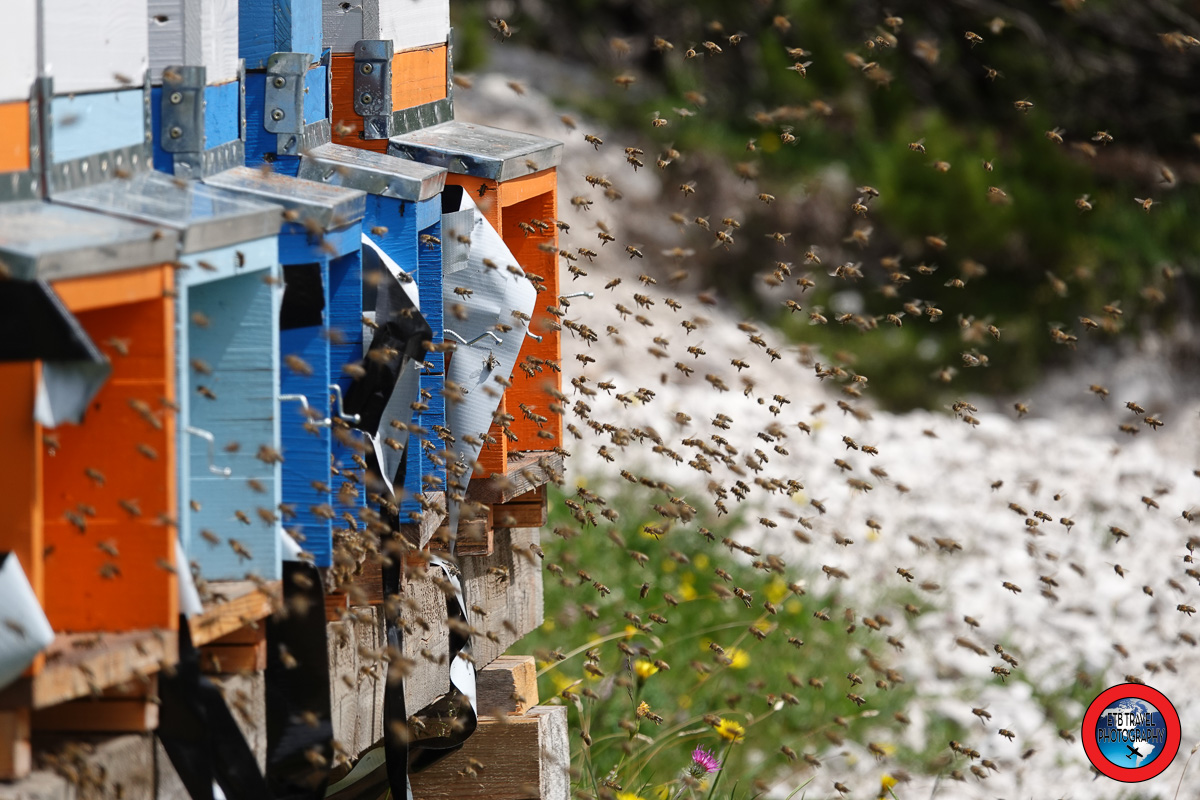
Spring is when Florida’s bee activity becomes impossible to ignore, as overwintered colonies grow quickly and send out swarms searching for new nesting sites. Photographers working early morning light in March and April are especially likely to spot swarms clustered on tree branches or fence posts, a dramatic but generally harmless sight if left undisturbed. Summer shifts the focus to intense foraging, as colonies work long days collecting nectar from Florida’s extended blooming season, making bees more active but also more predictable in their flight patterns near flowering plants.

Fall brings a noticeable change as colonies prioritize building up stores ahead of cooler months, which can make bees more defensive around their hives even though Florida rarely sees a true winter dormancy. Winter itself is relatively mild for Florida colonies compared to northern states, but it is still a vulnerable period nationally, with recent data showing just how fragile managed colonies have become. Recognizing these seasonal shifts helps travelers anticipate when bees are likely to be present, active, or defensive during an outdoor shoot or hike.
| Statistic | Figure |
| Florida Registered Beekeepers (2024) | Nearly 5,000 beekeepers managing over 650,000 colonies |
| US Winter Colony Loss Rate (2024-2025) | 40.2% of managed colonies lost |
| Crops Dependent on Bee Pollination in Florida | Approximately 75% of crops |
| Native Bee Species in Florida | Over 300 species |
| US Quarterly Colony Loss (Jan-Mar 2025) | 267,260 colonies lost, about 10% of total managed colonies |
What to Do Now vs. Later: A Seasonal Action Guide for Responsible Property Owners and Travelers
If you discover a swarm or established colony during spring travel, the responsible action is to observe from a safe distance and contact a licensed beekeeper or pest management professional rather than attempting removal yourself. Swarms are typically calm and temporary, often moving along within a day or two, so patience is usually the simplest solution during this season. Property owners hosting vacation rentals should schedule a professional inspection before peak spring swarm season begins, rather than waiting until guests report a problem mid-stay.
During summer and fall, when colonies are established and more defensive, immediate professional intervention becomes more important if a hive is located near walkways, decks, or entrances used by guests or hikers. Winter, despite being a lower-activity period in Florida, is actually the ideal time for property owners to schedule preventive inspections and seal potential entry points before spring swarm season brings new colonies looking for shelter. Acting during this quieter window reduces the chance of an urgent, stressful removal situation once bees become active again.

Professional Removal and Live Relocation: The Legal and Ethical Choice Year-Round
Regardless of season, live relocation by a trained professional remains the legally preferred and ethically responsible choice when a honey bee colony needs to be moved. Licensed beekeepers and pest management companies use equipment and techniques designed to preserve the colony rather than destroy it, which aligns with both state regulations and the broader ecological reality that bee populations are already under significant pressure nationally. Choosing extermination over relocation can expose property owners to legal complications while also contributing to declining pollinator numbers that affect agriculture far beyond the property line.

For travelers and property owners alike, the safest approach is building a relationship with a qualified local provider before a bee problem becomes urgent, rather than searching for help in the middle of a crisis. This is particularly relevant for anyone managing a rental property in rural or agricultural parts of Florida, where colonies are more common and swarms arrive with predictable seasonal regularity. Planning ahead, understanding the legal protections in place, and respecting the ecological role bees play turns a potential travel inconvenience into one more reminder of how closely human activity and natural ecosystems remain connected.

Published by