Komodo dragon

Komodo Island’s Komodo Dragons

After three days in Singapore and three days in Bali, we finally boarded our dive boat to explore the waters of Indonesia on the way to Komodo Island and back.  I’m embarrassed to admit that on our 7 day dive-centric trip, I was most excited about potentially seeing a Komodo dragon!  That statement probably sounds like blasphemy to my fellow SCUBA divers, but I had never seen one of these endangered creatures.

The Komodo dragon, the largest lizard in the world, may only be found in the wild in Komodo National Park, a UNESCO World Heritage Site.  The park is comprised of three large islands in Indonesia’s Lesser Sundra Archipelago: Komodo, Padar, and Rinca, as well as many smaller ones. 

GO KOMODO!
color dying materials, culure in the amazon

Culture in the Amazon

For our fifth day cruising the Peruvian Amazon with G Adventures, we continued along the Marañón River and its tributaries which flow into the Amazon near Pacaya Samiria National Reserve. It was a day of culture in the Amazon including meeting a Shaman and a mayor, having lunch in an Amazon community, learning to dye materials with resources from the Amazon, and enjoying music of the Amazon.

WELCOME TO THE JUNGLE!

The Marañon River in the Amazon

For our fourth day on our river cruise by G Adventures in the Peruvian Amazon, we began with an early morning skiff ride down the Nahuapa River, a tributary of the Marañon River.  The plan was to enjoy a box breakfast on the skiff while watching the dolphins.  Unfortunately, they didn’t show, but we still got to enjoy the surrounding nature along the way.  It’s about the journey, not the destination, right?

WELCOME TO THE JUNGLE!
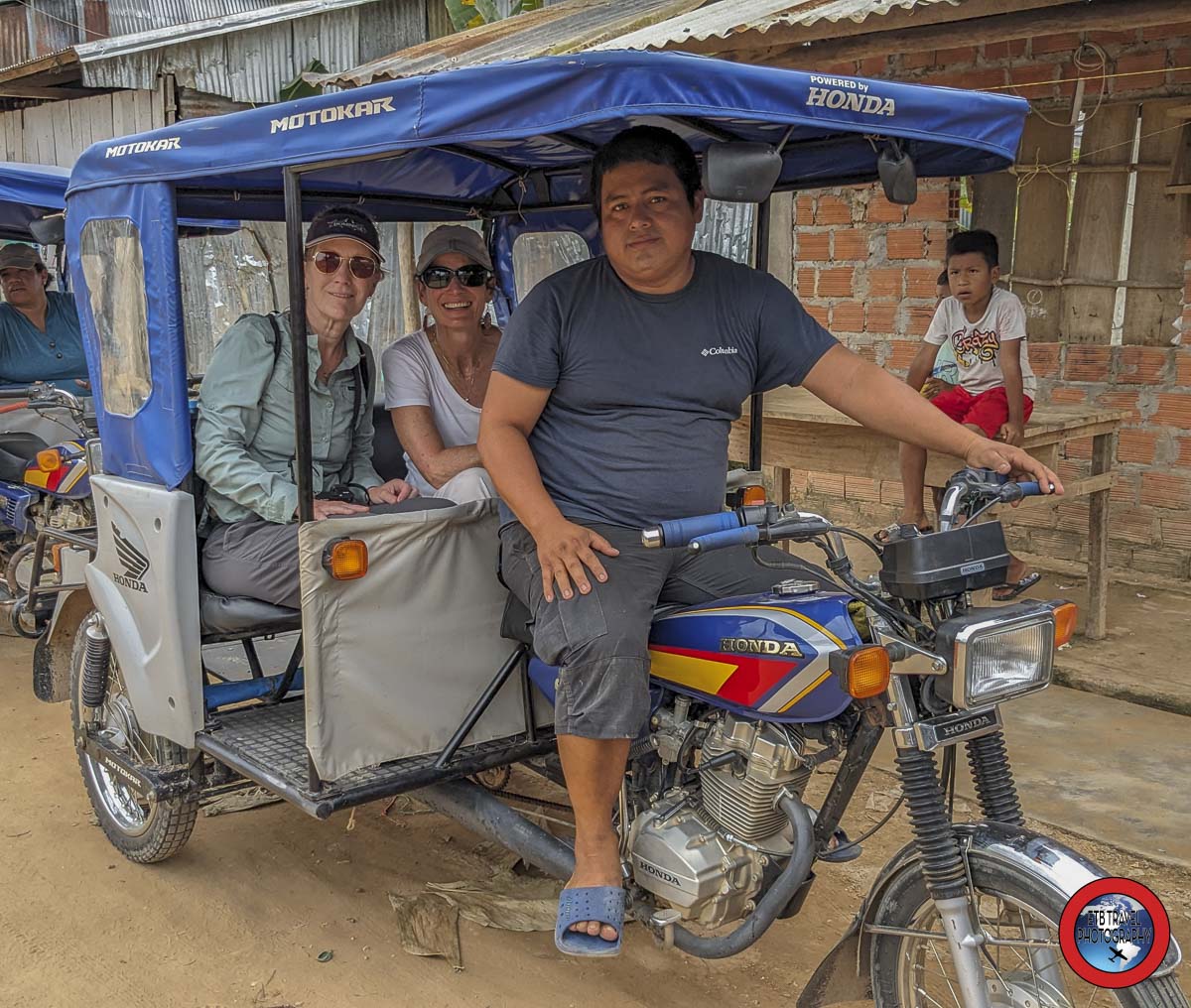
ladies in tuk tuk in nauta

Peruvian Amazon: Nauta and Pacaya-Samiria National Reserve

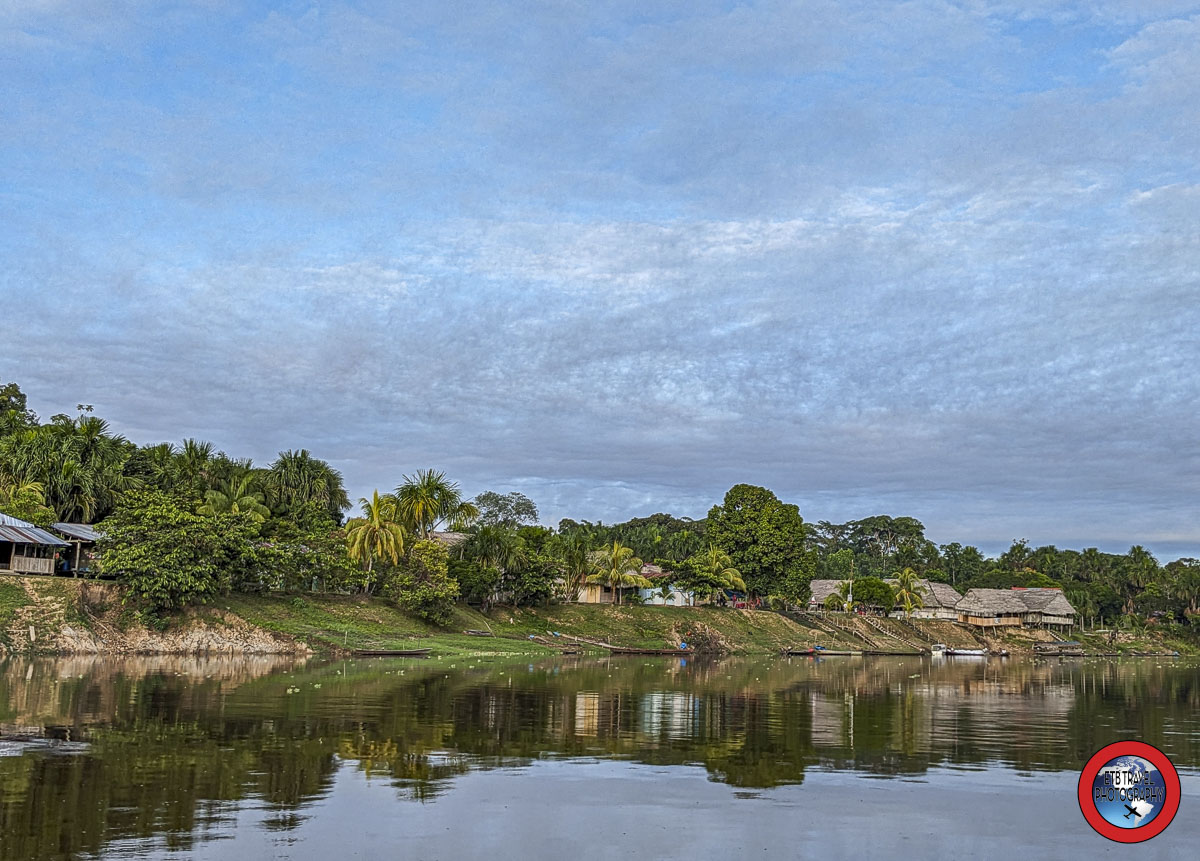
Our third day in the Amazon began at the confluence of the three rivers, Marañon, Ucayali, and Amazon just a few miles from Nauta and on the border of Pacaya-Samiria National Reserve. 

The Amazon River and Its Tributaries

The Ucayali is the main headwaters of the Peruvian Amazon and when it meets with the Marañon, it becomes the Amazon. Originating in the Andes not far from Cusco, the popular tourist destination for visiting Machu Picchu, the Ucayali travels 994 miles before it reaches the confluence next to Pacaya-Samiria National Reserve.

The Amazon, with its 1,100 tributaries, is the largest river in the world by volume and the first or second longest in the world (disputed with the Nile).  The massive river was initially known to Europeans as the Marañon and later became known as the Rio Amazones in Spanish and Portuguese.

At the confluence, the waters of the rivers are two different colors.  The Amazon, full of sediment, is a milk chocolate color while many of the tannin filled tributaries are black and lack sediment and nutrients.  Accordingly, settlements in the Amazonian Jungle are found near the sediment filled water and fishing takes place in the blackwater.

WELCOME TO THE JUNGLE!
egrets hovering above our skiff

Peruvian Amazon: Part II

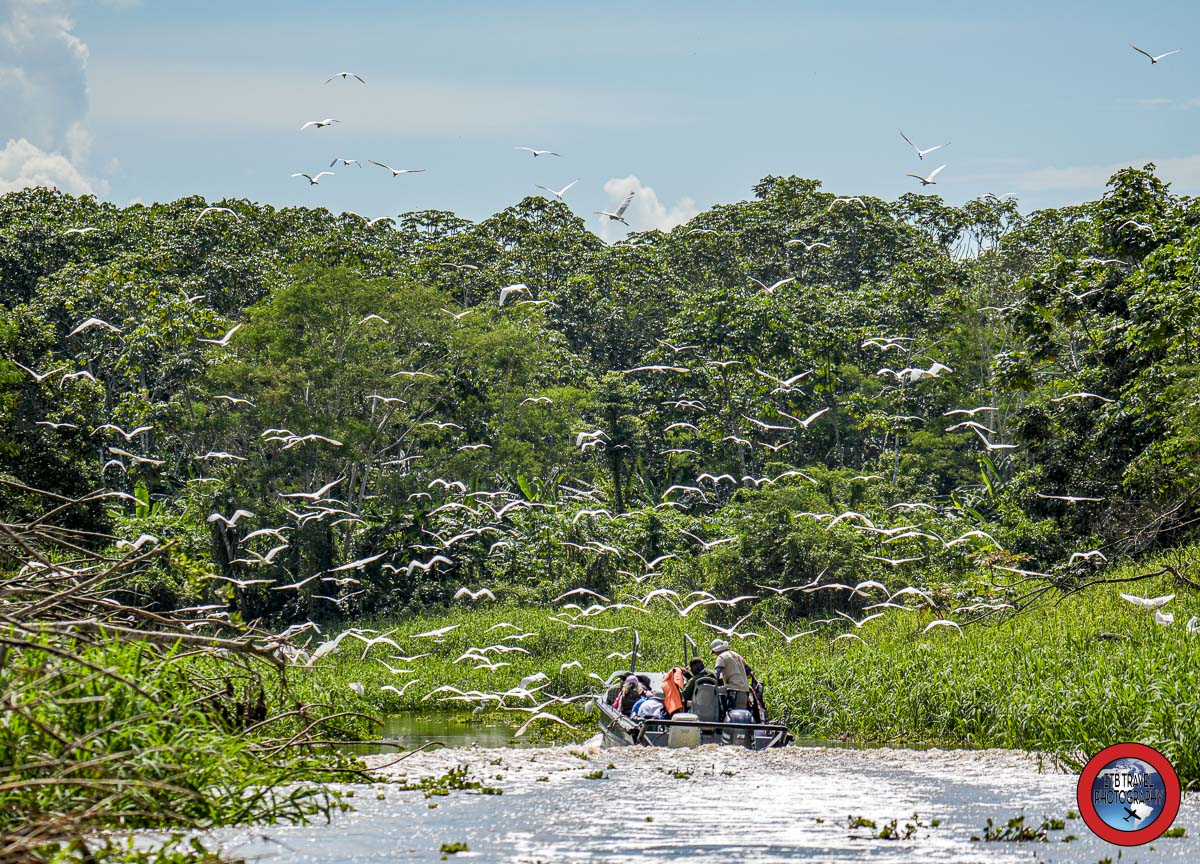
For our second day in the Peruvian Amazon with G Adventures, we began with a pre-breakfast skiff ride.  Donning our life vests, we loaded onto the skiffs around 6:30 am as the sun rose overhead.  We cruised the bank in search of wildlife and birdlife near Huasi Village where we “anchored” for the night.  Anchored is in quotes because they don’t use an anchor or a mooring.  Instead, the just beach the boat on the shore!

WELCOME TO THE JUNGLE!
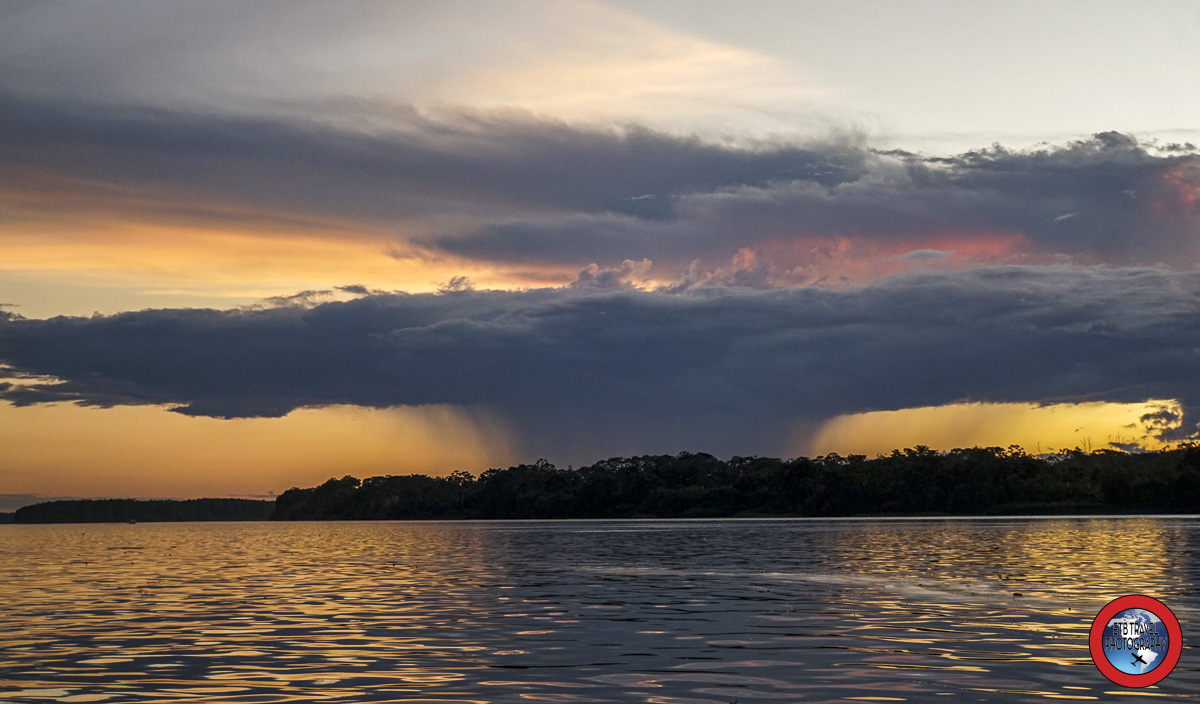
sunset on the Peruvian Amazon

Peruvian Amazon: Part I

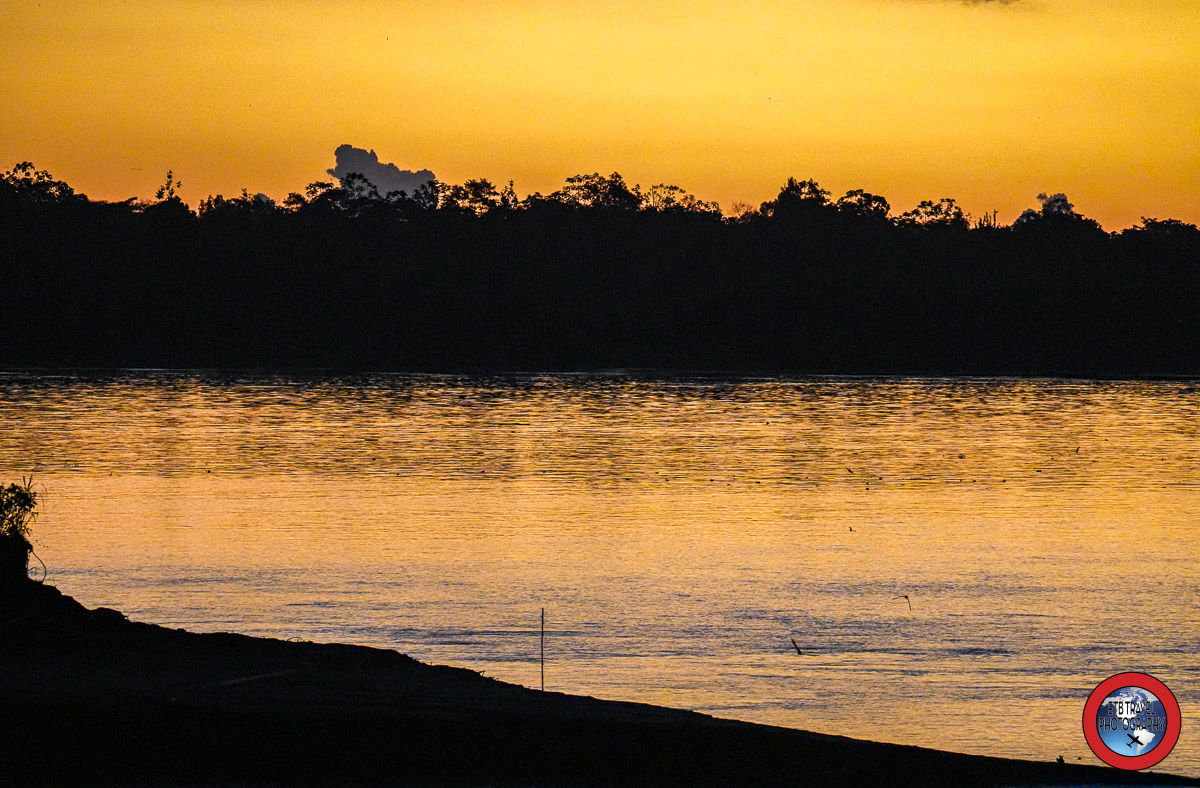
Planes, Trains, and Automobiles. That’s what it takes to get to the Amazon.  Just kidding!  I like that movie title, and the title does imply that it takes some effort to get to the Peruvian Amazon, which it does.  But more accurately, it takes planes, buses, and boats!

From Dallas, we flew to Lima via Miami and stayed the night before hopping on a plane to Iquitos, Peru.  For those who imagine the Amazon is in the middle of the jungle, you might be surprised to learn that Iquitos, the gateway to the Peruvian Amazon, has a population of 500,000!

Iquitos, the 4th largest city in Peru and the capital of the Loreto Region, boasts an international airport and may only be accessed internationally by plane or boat.  As a result, it is one of the most expensive cities in the world because everything has to be flown in!  For example, strawberries in Iquitos cost 35 soles or almost 10 USD!

While there is one road between Iquitos and Nauta, another city in the Peruvian Amazon, it does not extend further. I was amazed by the size of Iquitos given its relative inaccessibilty in the jungle!

WELCOME TO THE JUNGLE!
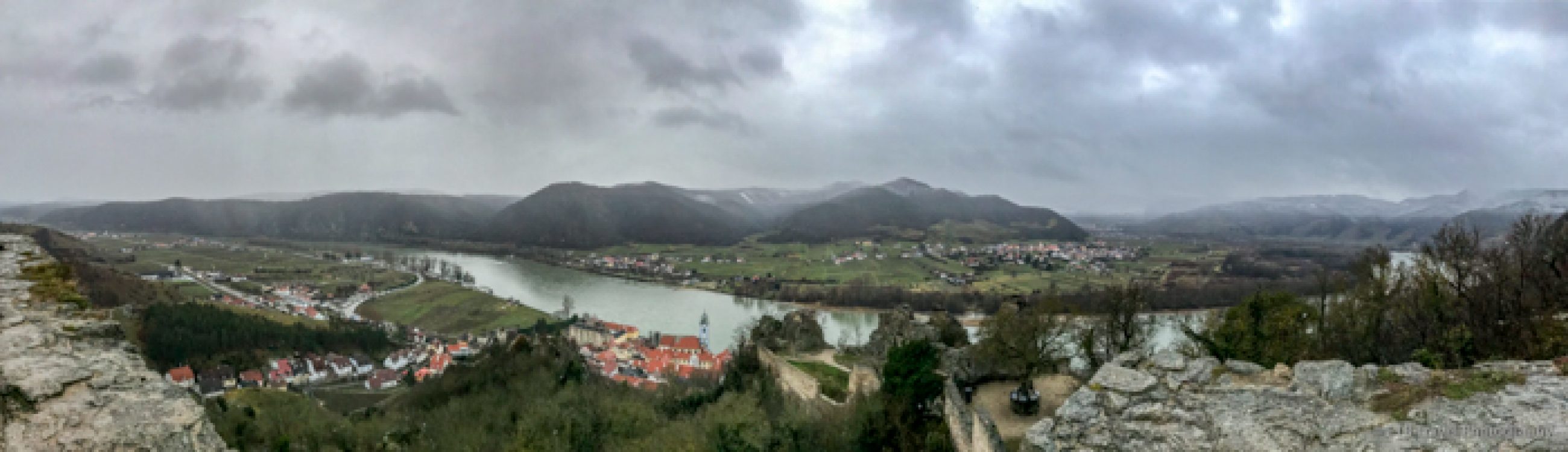
Weisenkirchen on Danube River Cruise

Danube River Cruise

The Danube River

The Danube River originates in Germany and flows southeast 1,770 miles through ten countries and into the Black Sea.  With the help of a lock system, 1,500 of those miles are navigable, thus it is an attractive river cruise destination.

TAKE A CRUISE
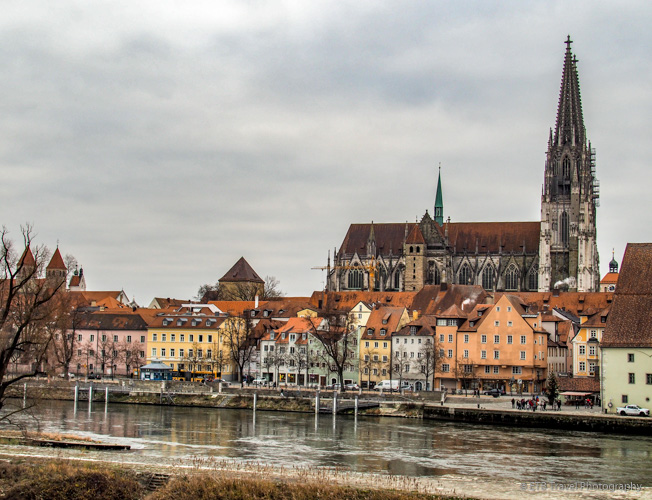
View of Old Town Regensburg from Stone Bridge

Top Places to Visit in Regensburg

Cruising the Danube

Our seventh stop on the Danube was in Regensburg, the fourth largest city in Bavaria, Germany with a population of 150,000.  Due to the challenging parking, many residents bike, thus we dodged several cyclists as we walked Regensburg’s Old Town.

EXPLORE!
Passau

Top Things to Do in Passau

Passau

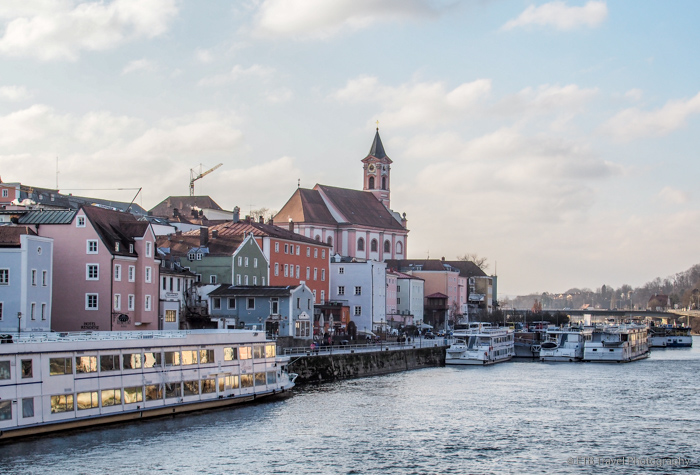
Our ship sailed all night and through the morning until we reached our next destination, Passau.  We docked aside another ship and walked across it (a common occurrence on the Danube) to begin our walking tour of Old Town located on the peninsula between the Danube and Inn Rivers.

Passau, a German city of 52,000 people sits on the border of Austria in the Bavaria region at the confluence of three rivers.  The third being the Ilz.  As such, Passau, a bishopric since 739, profited from important salt trade routes and remained independent until it was incorporated into Bavaria during the Napoleonic times of 1803.

Today, attractions in Passau can be found on both sides of the river.

LET’s GO