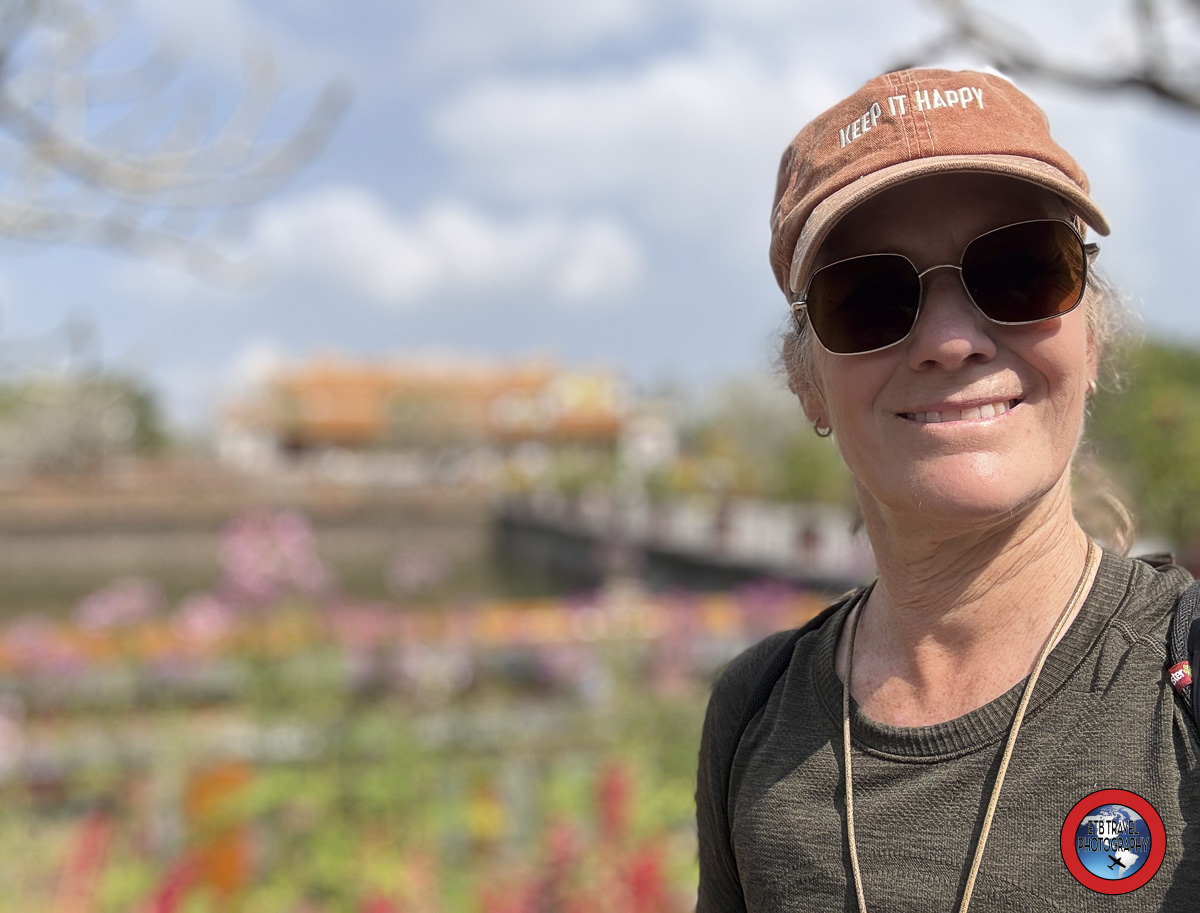
Selfie in fron of Hue Imperical City

24 Hours in Hue

After a day in Hoi An, we took a four-hour bus ride to Hue.  It is closer to a three-hour drive, but many stop to explore Hai Van Gate, a defensive fortification used by many dynasties.  Perched atop the mountain with expansive views, Hai Van Gate was very important to the frontier passage of Vietnam.   It is free to enter and across the street are few open air restaurants catering to tourists.

About Hue

Founded as the seat of the Nguyen Dynasty in 1802, Hue served as the imperial heart of a unified Vietnam for over a century. This era of high Confucian culture and grand imperial construction eventually shattered during the mid-20th century, as the city became a brutal focal point of the Indochina Wars and the devastating 1968 Battle of Hue.

The city is split in two by the Perfume River, with the historic Citadel on the North Bank and the new city on the South Bank. We stayed at the Asia Hotel on the South Bank, where the city’s modern pulse, French colonial history, and vibrant nightlife converge.   Having arrived in the late afternoon, we had a few hours to take a stroll before dinner.

EXPLORE!
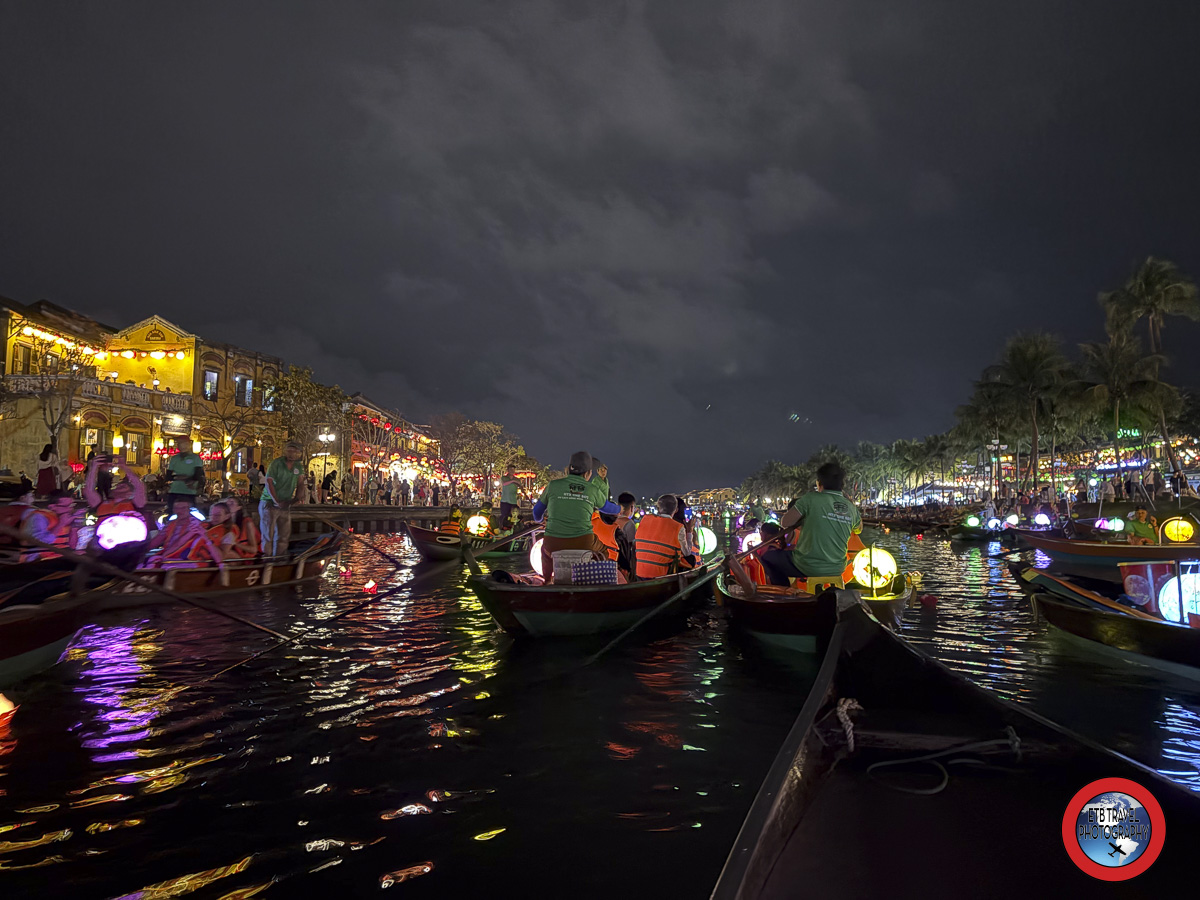
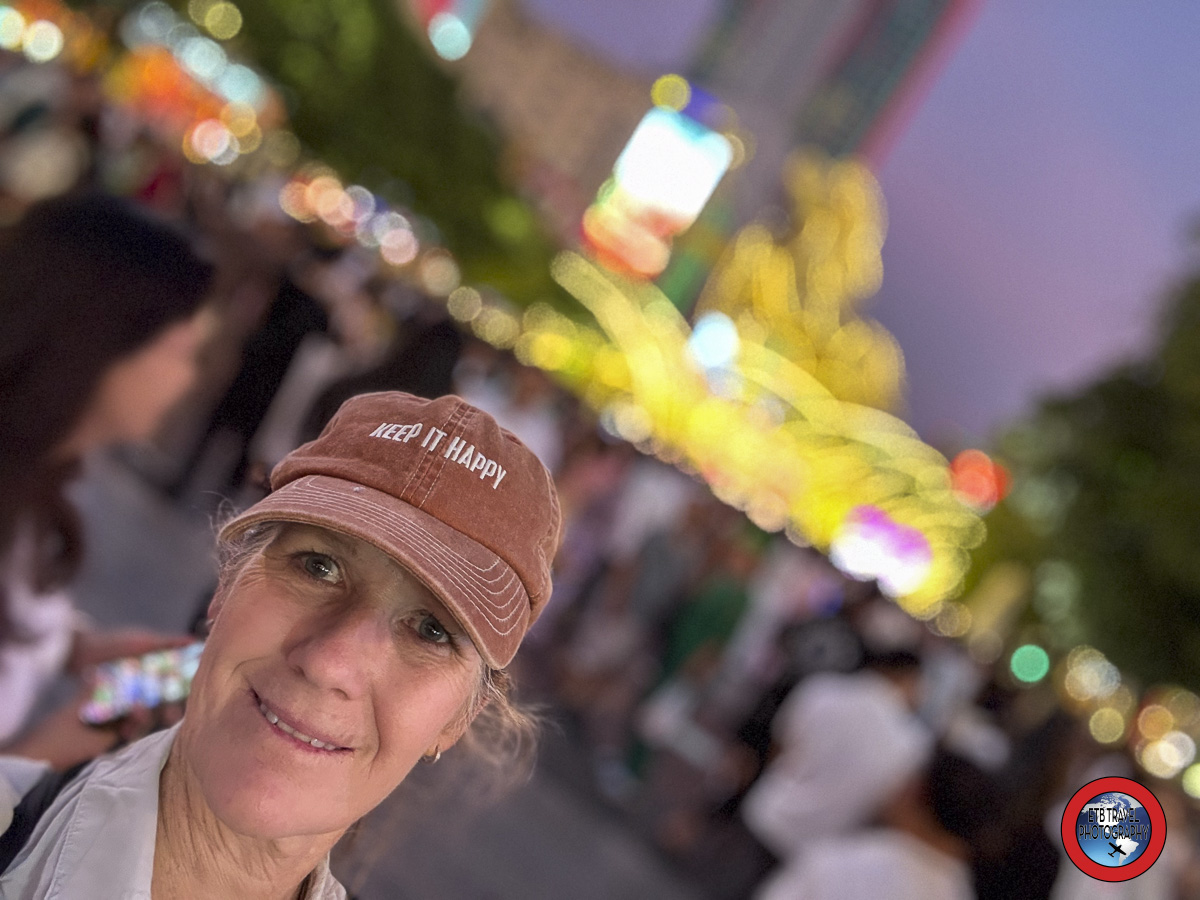
Hoi An at night

The Highlights of Hoi An

Have you ever been someplace that you have never previously heard of and then been pleasantly surprised?  Hoi An was just that for me.  All I can say is…WOW!  This city was my favorite during my ten-day G-Adventure tour of Vietnam that took us to Ho Chi Minh City, Hue, Ha Long Bay, Mai Chau, and Hanoi.

This former trading port is a living museum of architectural fusion, where ornate Chinese assembly halls, weathered Japanese bridges, and mustard-yellow French colonial villas line the banks of the Thu Bon River. As night falls, the town sheds its quiet morning charm for a surreal, lantern-lit brilliance.  Whether you’re navigating the bustling central market or floating a paper candle down the river, Hoi An’s special heritage is delightful.  As a photographer, I couldn’t enough of this vibrant city!

EXPLORE!

Ho Chi Minh City: History, Culture, and Commerce

History of Ho Chi Minh City

Ho Chi Minh City (HCMC) is a city with a storied past.  Formerly known as Saigon, the city was ruled by many dynasties with the last being the Nguyen dynasty, thus many Vietnamese carry this as their last name.

The French attacked and captured Saigon in 1859 and officially named it the capital of the colony of Cochinchina in 1862.  For a brief period between 1887-1901, it even served as the administrative center for the entire Indochinese Union which included Vietnam, Cambodia, and Laos. Though eventually the capital was moved to Hanoi, under the 100 year French Rule, Saigon was known as the Pearl of the East.

After the Japanese occupation during World War II and the First Indochina War (or the French War as the Vietnamese call it), the country was split in two at the 17th parallel and Saigon served as the capital of the Republic of Vietnam (South Vietnam).

Saigon remained the capital of South Vietnam from 1954-1975 until the reunification of the north and south at the end of the Vietnam War or the American War as the Vietnamese call it.  Saigon was renamed to Ho Chi Minh City in 1976 to honor the late revolutionary leader of the Viet Minh, Ho Chi Minh who died before seeing his country reunified.

Though no longer the capital of Vietnam, HCMC is the largest city in Vietnam with a population of 14 million people.  As Vietnam’s economic hub with a complex history, HCMC features a combination skyscrapers and French colonial architecture. Vibrant street culture mixes with an increasingly cosmopolitan lifestyle, providing a variety of things to do for visitors.

EXPLORE!
Ubud

Ubud: Bali’s Cultural Center

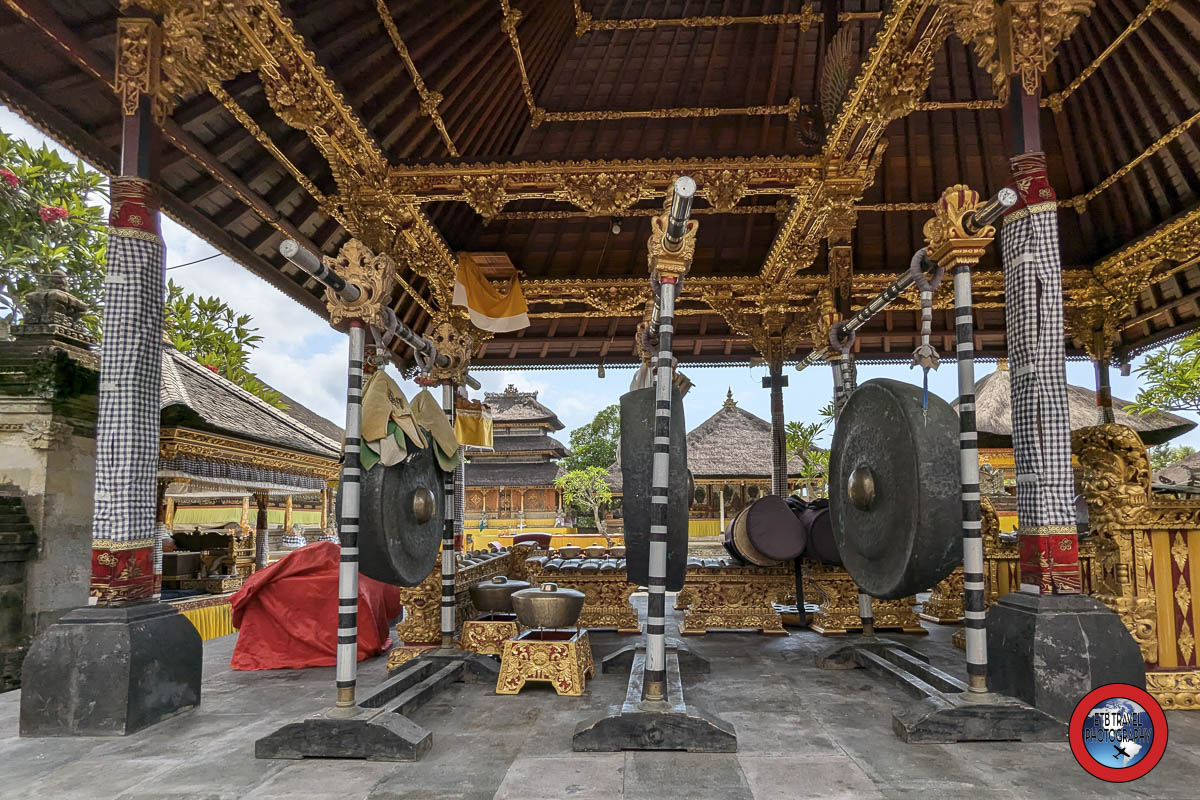
If you are picturing relaxing, sandy beaches for your next island vacation, Ubud is not it!  Instead, Ubud is the cultural center of Bali with mopeds zipping in every direction.  If you are interested in arts, markets, cafes, temples, and a few scattered rice fields and waterfalls, then you have come to the right place while visiting Bali.

EXPLORE!
salt mines of maras

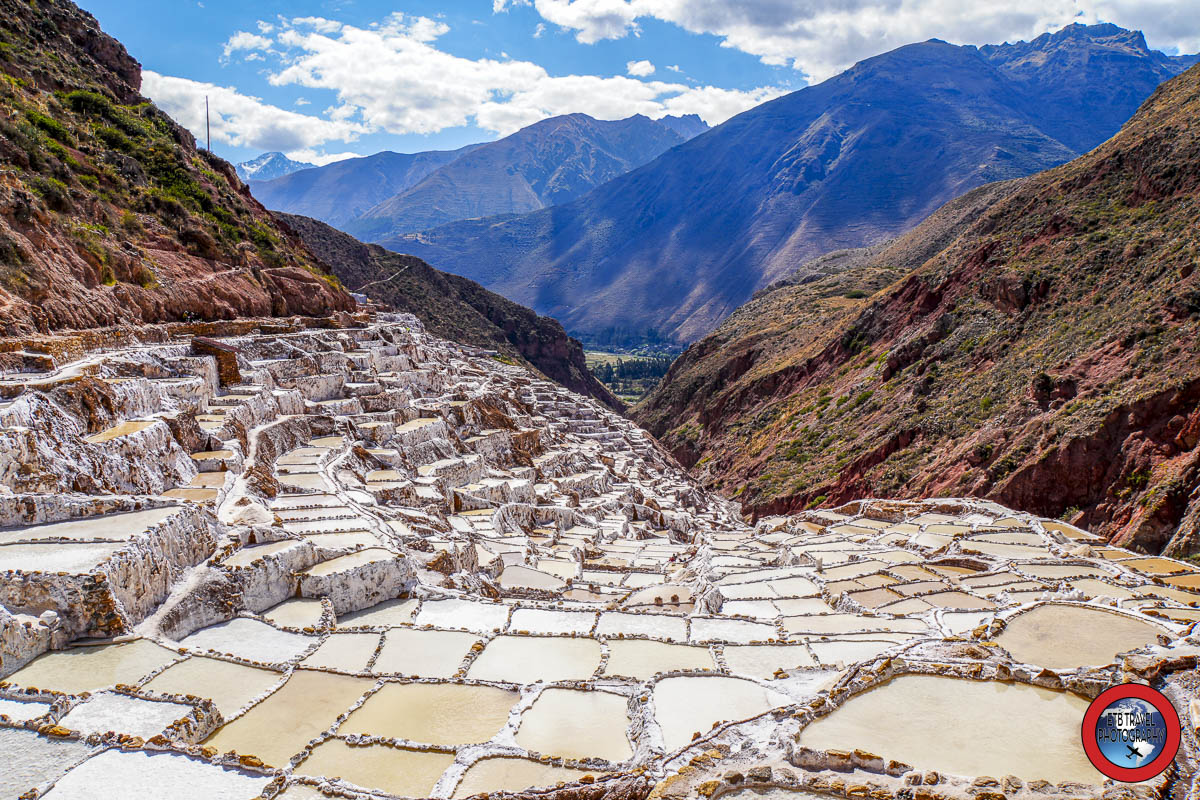
Moray and the Salt Mines of Maras Tour

During my stay in Cusco, I toured Rainbow Mountain, the Sacred Valley, and Moray and the Salt Mines of Maras.  All of them were very special places to visit, and I’m glad I made time to see each place, that I did not do during my visit 15 years ago to hike Machu Picchu.

As I’ve mentioned in previous blog posts there are several different companies offering the same tours, typically with a small twist.  Despite almost identical visits, the prices vary.  One of the most budget friendly tour companies, popular with a younger crowd, is Machu Picchu Reservations

The prices were so low that I was hesitant to reserve any tours online with this company in advance of my arrival.  But once I landed in Cusco and all my plans were derailed due to illness, I was glad to be able to make some last-minute bookings with them, especially when I realized the tours didn’t differ much.

EXPLORE!

Rainbow Mountain

Rainbow Mountain…WOW!  It has been on my bucket list ever since I saw a picture of it on Instagram.  I couldn’t believe it was so close to Cusco, and I didn’t know about it when I hiked to Machu Picchu. 

Well, when I hiked to Machu Picchu fifteen years ago, the Rainbow Mountain was capped in snow, so no one knew of the magnificent colors that lay below.  Now, however, the mountain with 14 different color minerals attracts thousands of tourists.

Thousands of tourists in an awe-inspiring place was not my idea of fun, so I did some research and found a four day backpacking trip to Rainbow Mountain with Salkantay Trekking that allows you to see the sunrise and sunset on the mountain without the masses.

Unfortunately for me, I ended up with Salmonella poisoning in high altitude.  With a bad pancreas to boot, I spent a night in the clinic getting fluids and had to cancel my trek.  Fortunately for me, I at least got to see Rainbow Mountain by joining a dreaded day tour with the masses.  It is amazing how much my perspective changed due to my intense desire to see Rainbow Mountain, as I really enjoyed it, people and all!

HAPPY HIKING!
Sacred Valley

Sacred Valley Day Tour

The last time I visited Peru was in 2009 to hike to Machu Picchu. In typical American fashion, I had limited vacation.  As a result, I only had time to do the amazing Salkantay trek with Mountain Lodges of Peru, but had to skip the Sacred Valley as well as many other attractions near Cusco.

While I don’t generally return to the same places because there is too much to discover in the world, I returned to Cusco to see Rainbow Mountain (which was covered in ice in 2009) and tacked on a few other tours in the area. The first being, the Sacred Valley.

I was worried about tours filling up in the summer, so I prebooked everything with Salktantay Trekking.  This was unnecessary.  I wouldn’t be surprised if there were 100 different tour companies lining Cusco’s Plaza Mayor and surrounding cobblestone streets.  As long as you have a few days of flexibility, it is easy to book day tours on arrival. Cusco has really exploded with tourism over the last 15 years!

EXPLORE!
color dying materials, culure in the amazon

Culture in the Amazon

For our fifth day cruising the Peruvian Amazon with G Adventures, we continued along the Marañón River and its tributaries which flow into the Amazon near Pacaya Samiria National Reserve. It was a day of culture in the Amazon including meeting a Shaman and a mayor, having lunch in an Amazon community, learning to dye materials with resources from the Amazon, and enjoying music of the Amazon.

WELCOME TO THE JUNGLE!
ladies in tuk tuk in nauta

Peruvian Amazon: Nauta and Pacaya-Samiria National Reserve

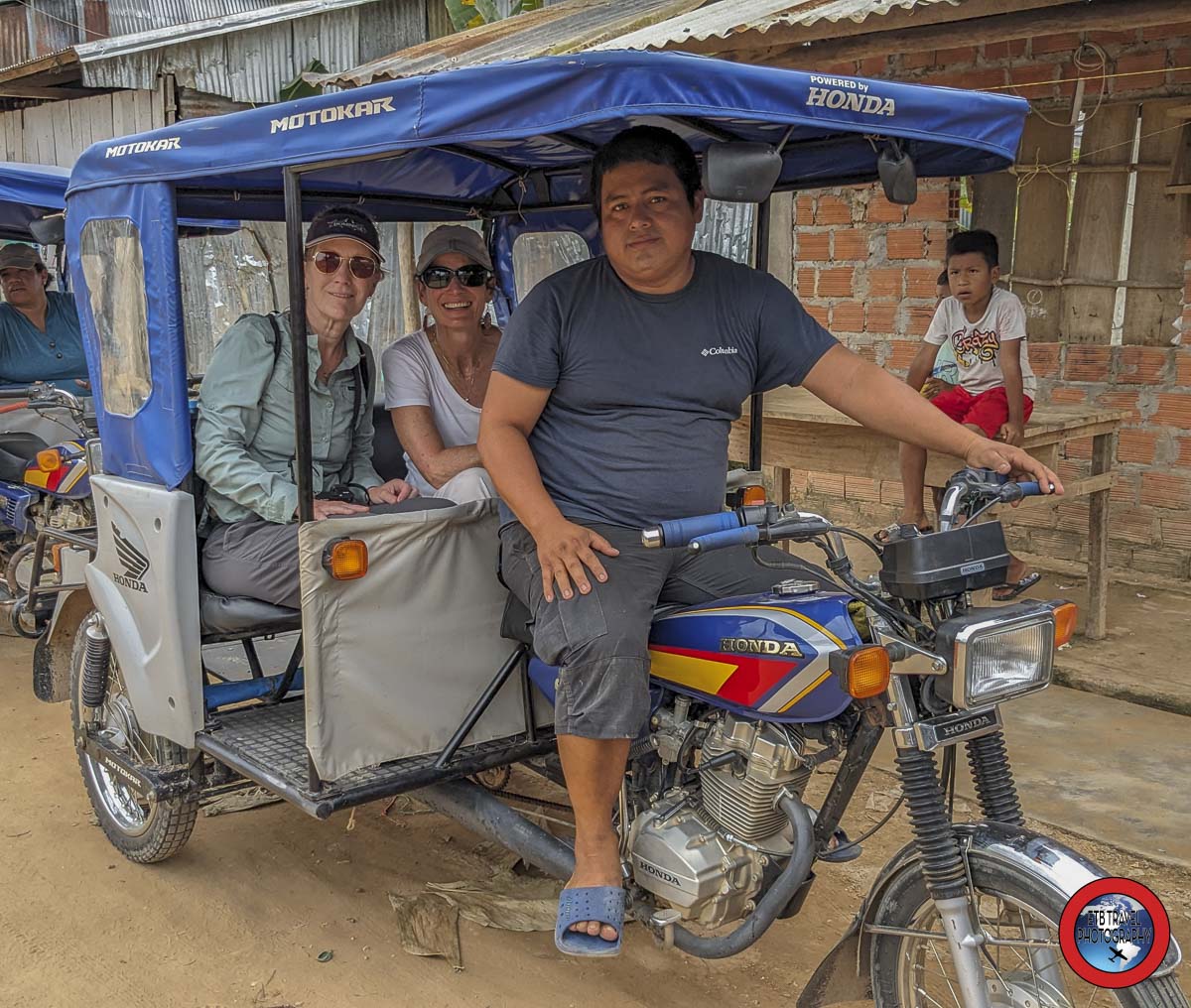
Our third day in the Amazon began at the confluence of the three rivers, Marañon, Ucayali, and Amazon just a few miles from Nauta and on the border of Pacaya-Samiria National Reserve. 

The Amazon River and Its Tributaries

The Ucayali is the main headwaters of the Peruvian Amazon and when it meets with the Marañon, it becomes the Amazon. Originating in the Andes not far from Cusco, the popular tourist destination for visiting Machu Picchu, the Ucayali travels 994 miles before it reaches the confluence next to Pacaya-Samiria National Reserve.

The Amazon, with its 1,100 tributaries, is the largest river in the world by volume and the first or second longest in the world (disputed with the Nile).  The massive river was initially known to Europeans as the Marañon and later became known as the Rio Amazones in Spanish and Portuguese.

At the confluence, the waters of the rivers are two different colors.  The Amazon, full of sediment, is a milk chocolate color while many of the tannin filled tributaries are black and lack sediment and nutrients.  Accordingly, settlements in the Amazonian Jungle are found near the sediment filled water and fishing takes place in the blackwater.

WELCOME TO THE JUNGLE!