Our final two days in the Peruvian Amazon with G Adventures included a sunrise cruise, piranha fishing, an afternoon nature hike, and a visit to a manatee rescue center before we bid our farewells.
WELCOME TO THE JUNGLE!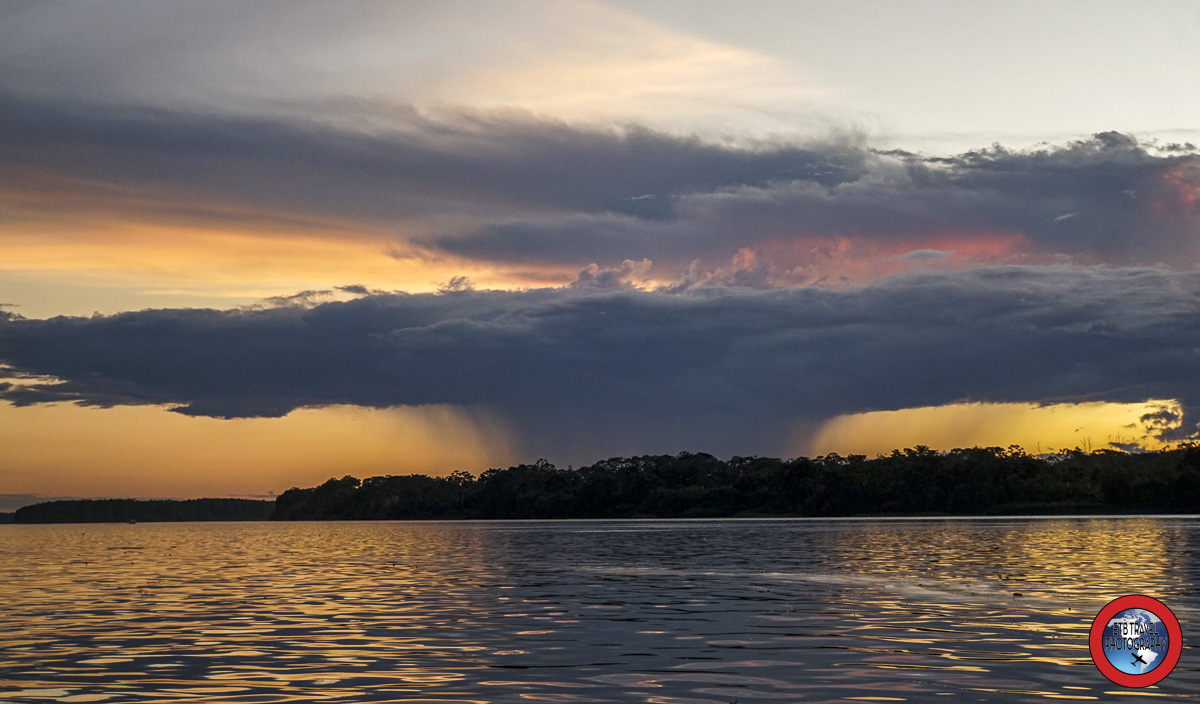
Adventure Travel Photography Blog

Our final two days in the Peruvian Amazon with G Adventures included a sunrise cruise, piranha fishing, an afternoon nature hike, and a visit to a manatee rescue center before we bid our farewells.
WELCOME TO THE JUNGLE!
For our fifth day cruising the Peruvian Amazon with G Adventures, we continued along the Marañón River and its tributaries which flow into the Amazon near Pacaya Samiria National Reserve. It was a day of culture in the Amazon including meeting a Shaman and a mayor, having lunch in an Amazon community, learning to dye materials with resources from the Amazon, and enjoying music of the Amazon.
WELCOME TO THE JUNGLE!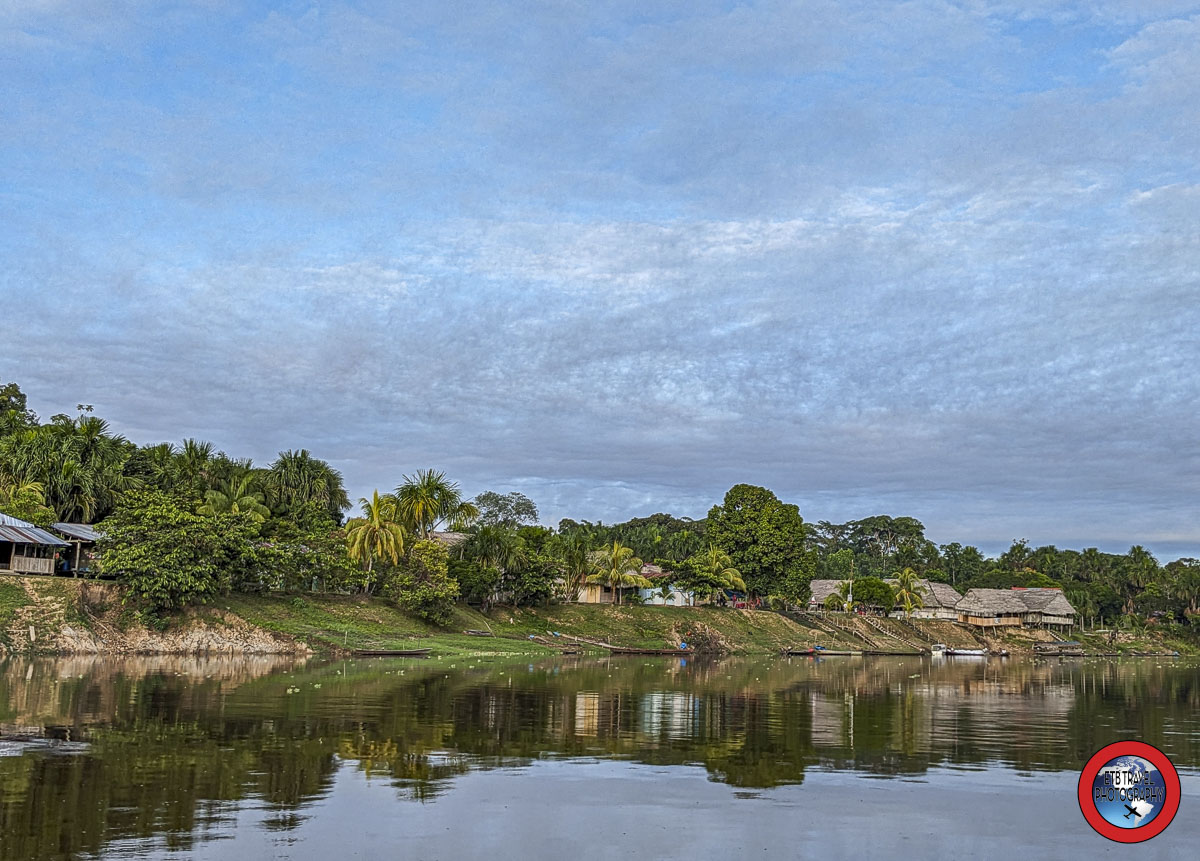
For our fourth day on our river cruise by G Adventures in the Peruvian Amazon, we began with an early morning skiff ride down the Nahuapa River, a tributary of the Marañon River. The plan was to enjoy a box breakfast on the skiff while watching the dolphins. Unfortunately, they didn’t show, but we still got to enjoy the surrounding nature along the way. It’s about the journey, not the destination, right?
WELCOME TO THE JUNGLE!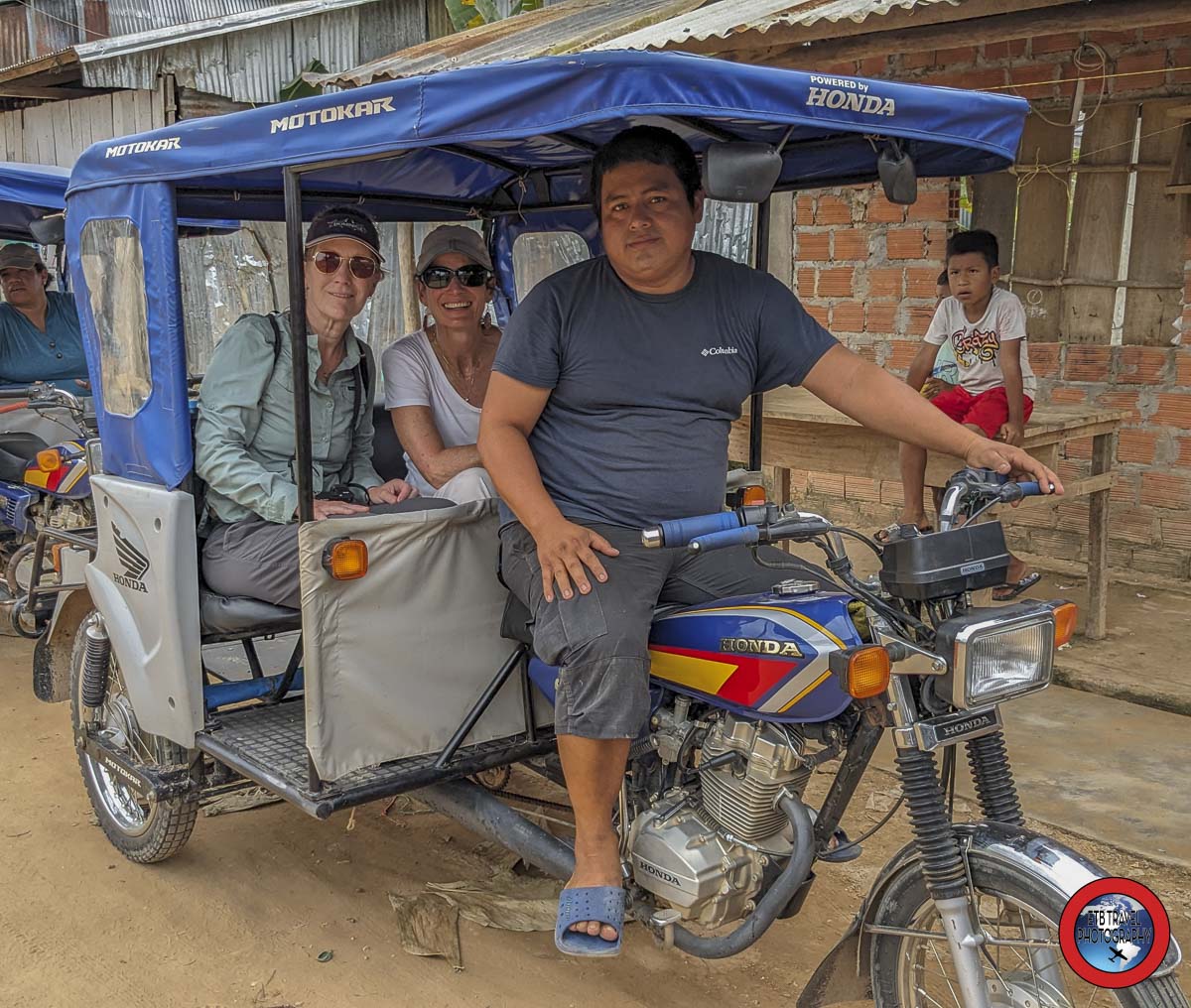
Our third day in the Amazon began at the confluence of the three rivers, Marañon, Ucayali, and Amazon just a few miles from Nauta and on the border of Pacaya-Samiria National Reserve.
The Ucayali is the main headwaters of the Peruvian Amazon and when it meets with the Marañon, it becomes the Amazon. Originating in the Andes not far from Cusco, the popular tourist destination for visiting Machu Picchu, the Ucayali travels 994 miles before it reaches the confluence next to Pacaya-Samiria National Reserve.
The Amazon, with its 1,100 tributaries, is the largest river in the world by volume and the first or second longest in the world (disputed with the Nile). The massive river was initially known to Europeans as the Marañon and later became known as the Rio Amazones in Spanish and Portuguese.
At the confluence, the waters of the rivers are two different colors. The Amazon, full of sediment, is a milk chocolate color while many of the tannin filled tributaries are black and lack sediment and nutrients. Accordingly, settlements in the Amazonian Jungle are found near the sediment filled water and fishing takes place in the blackwater.
WELCOME TO THE JUNGLE!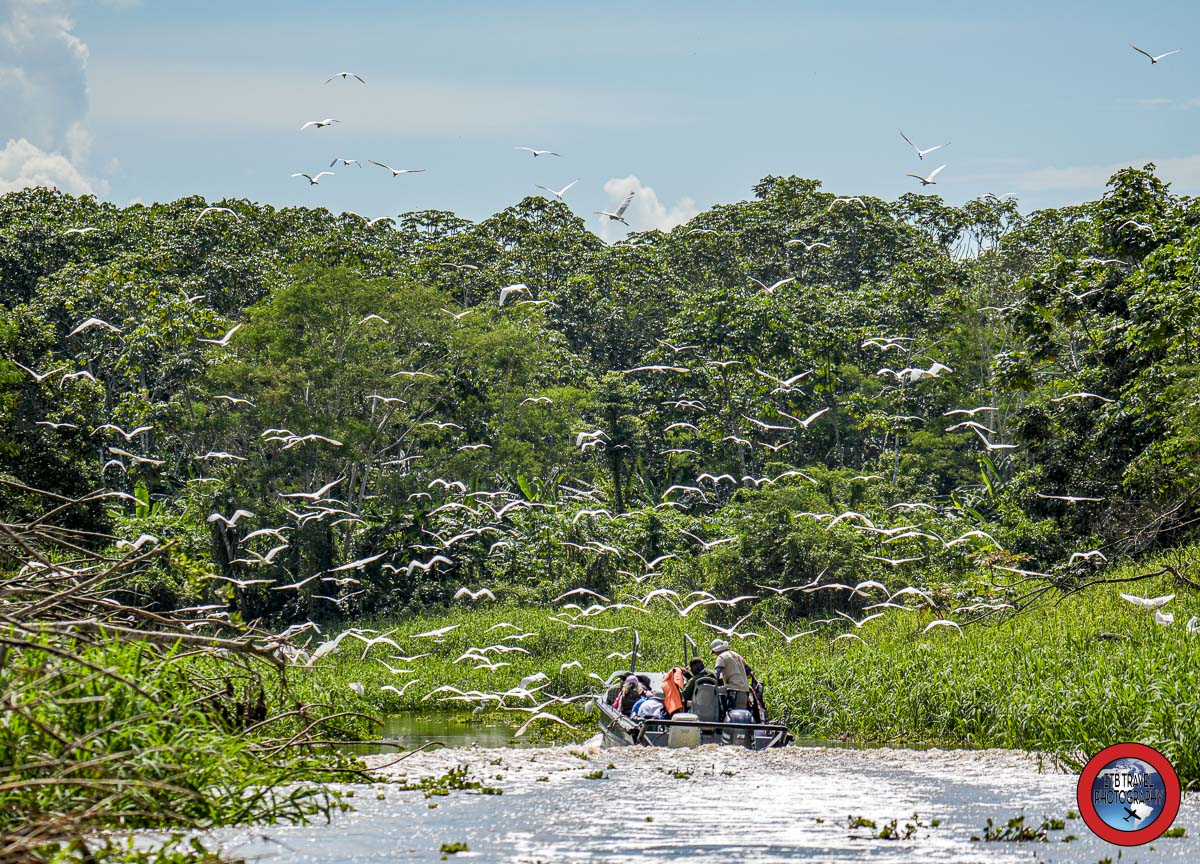
For our second day in the Peruvian Amazon with G Adventures, we began with a pre-breakfast skiff ride. Donning our life vests, we loaded onto the skiffs around 6:30 am as the sun rose overhead. We cruised the bank in search of wildlife and birdlife near Huasi Village where we “anchored” for the night. Anchored is in quotes because they don’t use an anchor or a mooring. Instead, the just beach the boat on the shore!
WELCOME TO THE JUNGLE!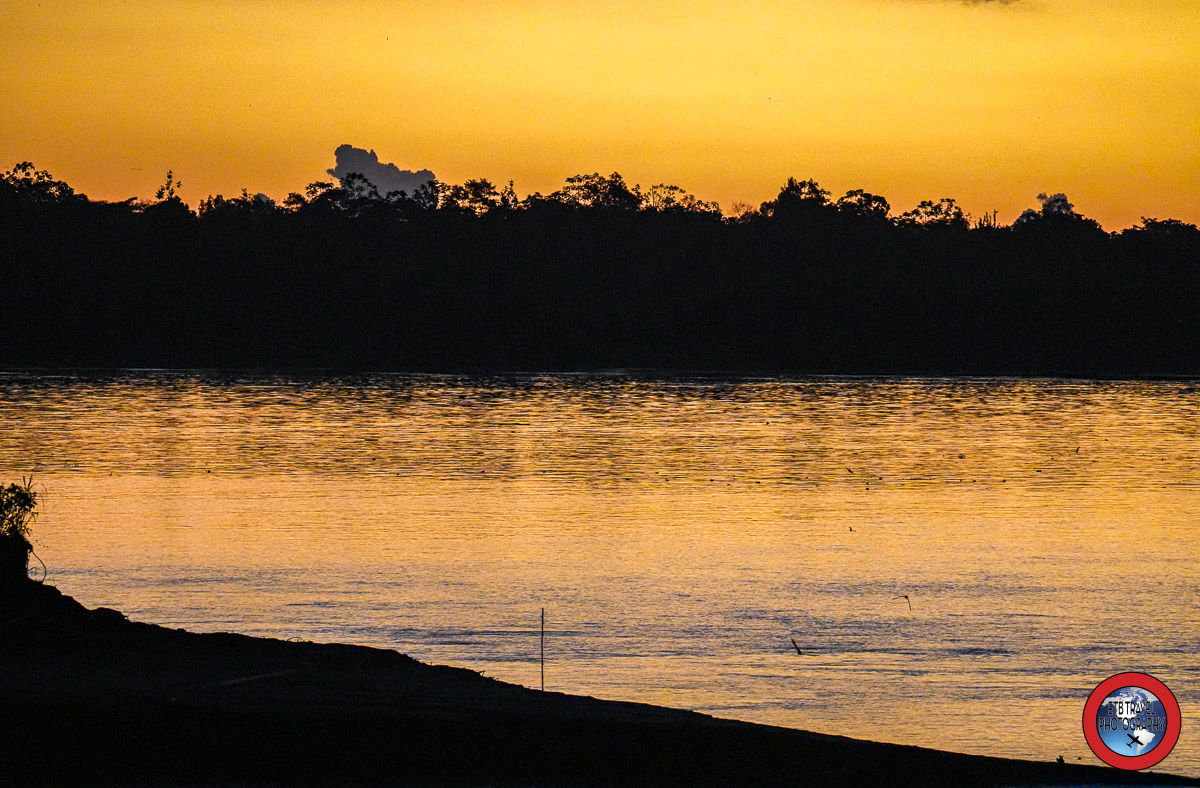
Planes, Trains, and Automobiles. That’s what it takes to get to the Amazon. Just kidding! I like that movie title, and the title does imply that it takes some effort to get to the Peruvian Amazon, which it does. But more accurately, it takes planes, buses, and boats!
From Dallas, we flew to Lima via Miami and stayed the night before hopping on a plane to Iquitos, Peru. For those who imagine the Amazon is in the middle of the jungle, you might be surprised to learn that Iquitos, the gateway to the Peruvian Amazon, has a population of 500,000!
Iquitos, the 4th largest city in Peru and the capital of the Loreto Region, boasts an international airport and may only be accessed internationally by plane or boat. As a result, it is one of the most expensive cities in the world because everything has to be flown in! For example, strawberries in Iquitos cost 35 soles or almost 10 USD!
While there is one road between Iquitos and Nauta, another city in the Peruvian Amazon, it does not extend further. I was amazed by the size of Iquitos given its relative inaccessibilty in the jungle!
WELCOME TO THE JUNGLE!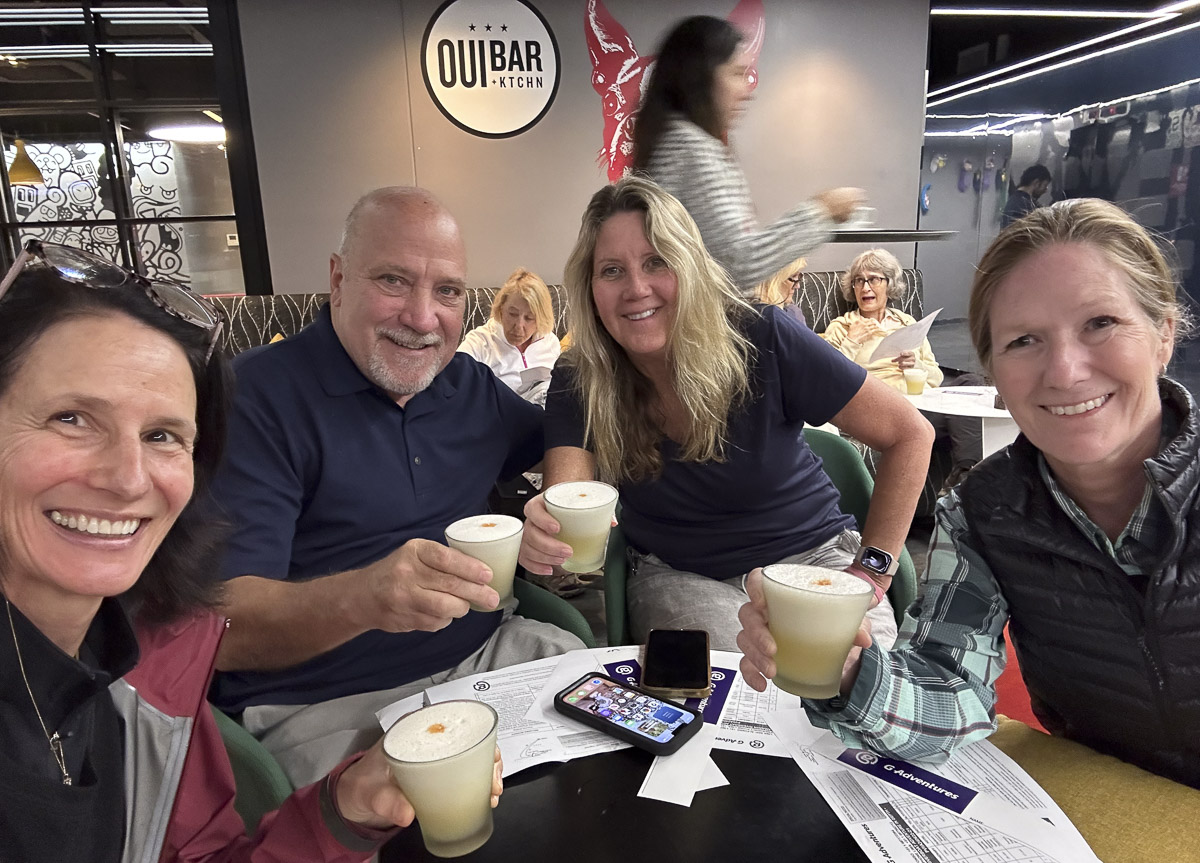
During my first visit to Lima, which was a short layover on our way to Machu Picchu 15 years ago, we spent most our time in the historic district wandering around the Plaza de Armas which features the Lima Metropolitan Cathedral, the Museo del Pisco, and the Palacio de la Municipalidad that includes a museum and the changing of the guards at noon daily.
While the historic district is interesting, it is not as upscale or safe as Miraflores, a district of Lima home to many shops, fine dining, luxury hotels, and a lovely boardwalk. Thus, during our next layover, this time on our way to the Peruvian Amazon, we spent a day exploring Miraflores (which means look at the flowers).
EXPLORE!
The Alum Cave Trail is an extremely popular hike in Great Smoky Mountain National Park. It is located 11 miles southeast of Gatlinburg and the drive on curvy scenic roads in the parks takes about 30 minutes.
Due to its popularity, the parking area at the trailhead fills up by 7am. If you are not an early riser, you can go around 2pm to get a spot as the parking lot clears once the early birds finish up.
HAPPY HIKING!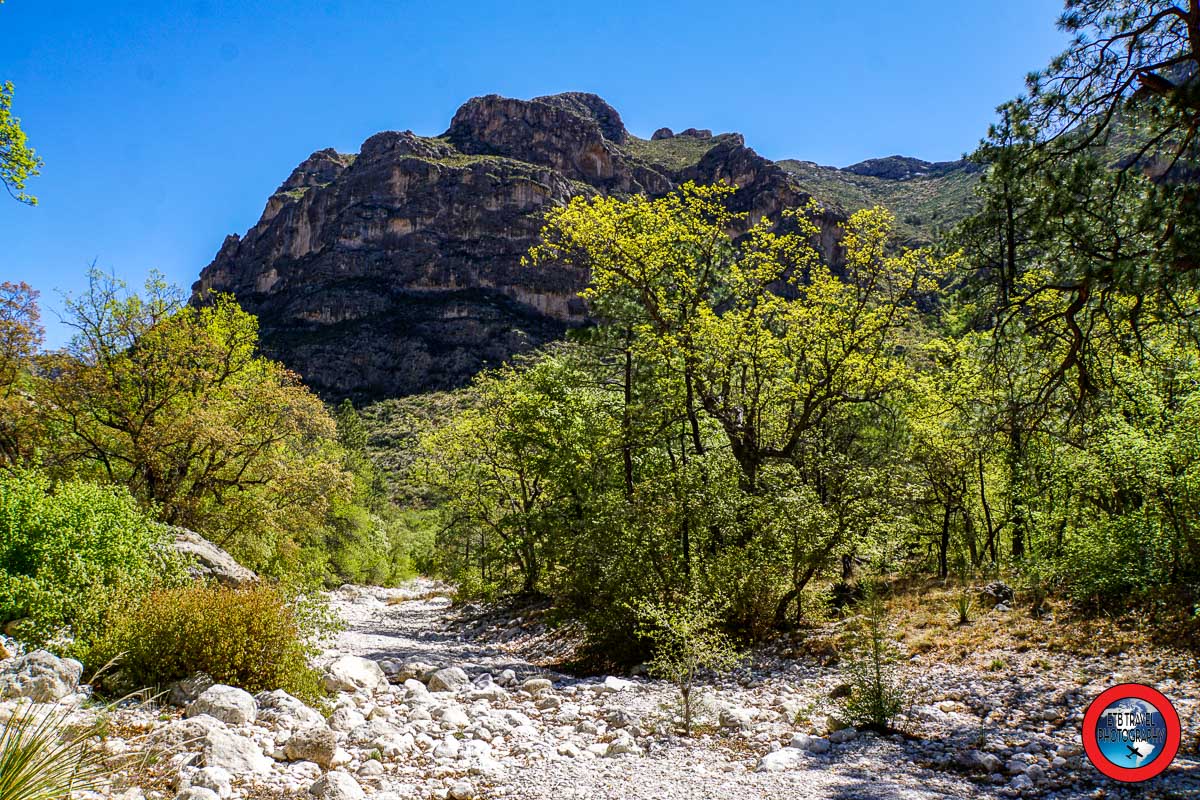
McKittrick Canyon Trail is a popular hike in Guadalupe Mountains National Park. As the name suggests, it is located in the McKittrick Canyon Area of the park whose gates are open between 8 am and 5 pm MOUNTAIN time. Mountain is capitalized because there is a chance your watch is wrong!
With limited hours and hot temperatures in the summer, I recommend hiking the McKittrick Canyon Trail in the spring or fall since early starts are not possible.
With two historic cabins, a grotto, the notch, and ridge, the challenging 21.3 out-and-back trail affords hikers many options. During my visit, I hiked only 7 miles which highlights the Pratt Cabin, the grotto, and the Hunter Line Shack.
HAPPY HIKING!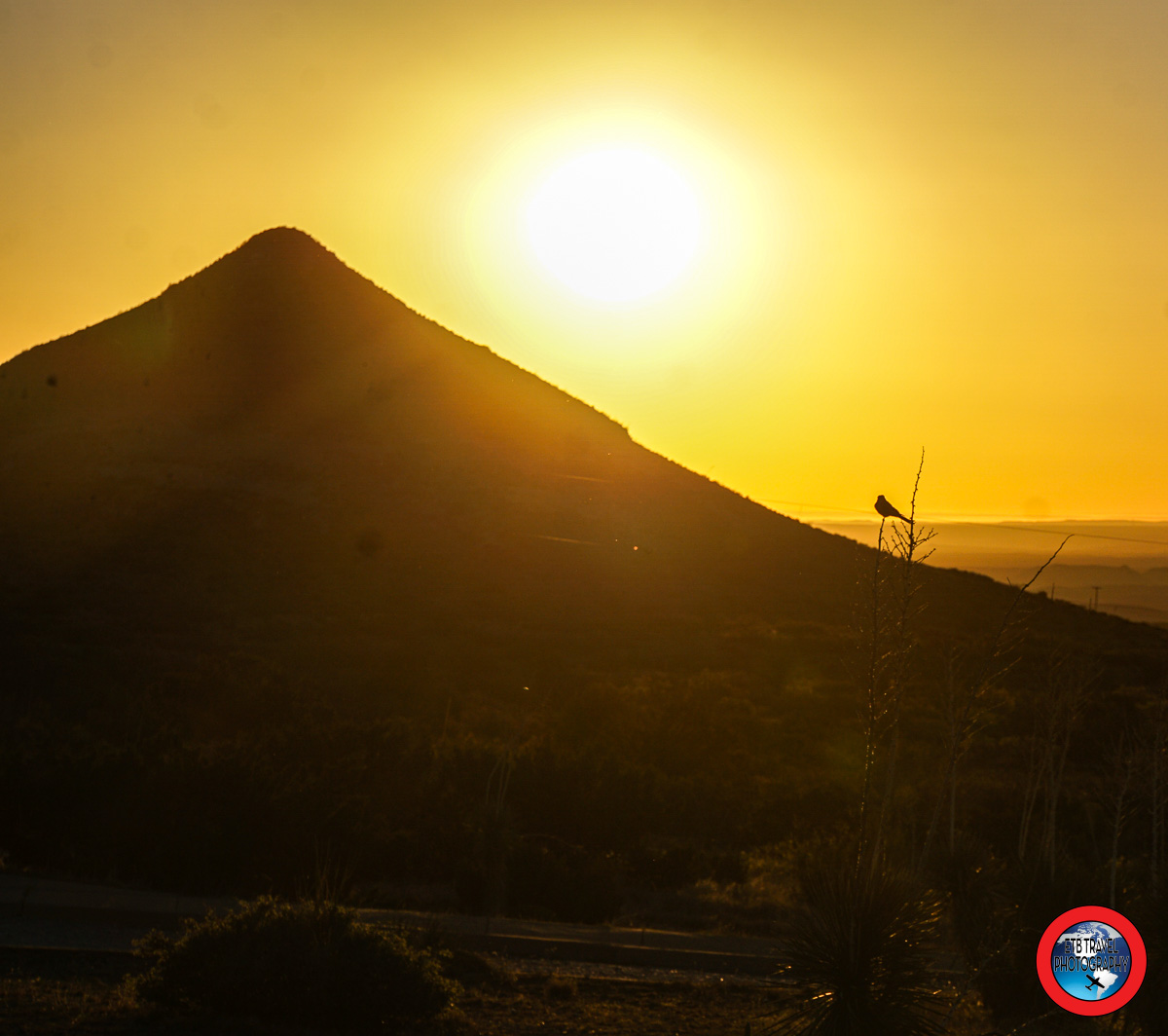
Guadalupe Mountains National Park is located in West Texas’ Chihuahuan Desert with Carlsbad, New Mexico being 55 miles to the north and Del City, Texas being 44 miles to the south. Fill up with gas in one of these two cities, as the area is remote.
During my drive through the West Texas desert plains dotted with oil wells, I wondered to myself, why is Guadalupe Mountains a National Park? I mean, yes, there are some high desert mountains featuring southwestern terrain and lovely fall foliage, but what makes it special?
While the park doesn’t display jaw-dropping scenery like Yosemite, Rocky Mountain National Park, or the Grand Tetons, it is pretty and home to the highest point in Texas. But the main reason for the 135 square miles being designated a national park is for it being the largest exposed reef in the world!
I had no idea I’d be hiking through the Chihuahuan Desert loaded with marine fossils while exploring historic ranches, admiring cool rock formations, and hiking to the top of Texas. Guadalupe Mountains National Park pleasantly surprised me.
For those who enjoy hiking and visiting historic sites, plan to visit Guadalupe Mountains National Park for three days and spend at least one day at nearby Carlsbad Caverns.
EXPLORE!