Things to Do in Cusco

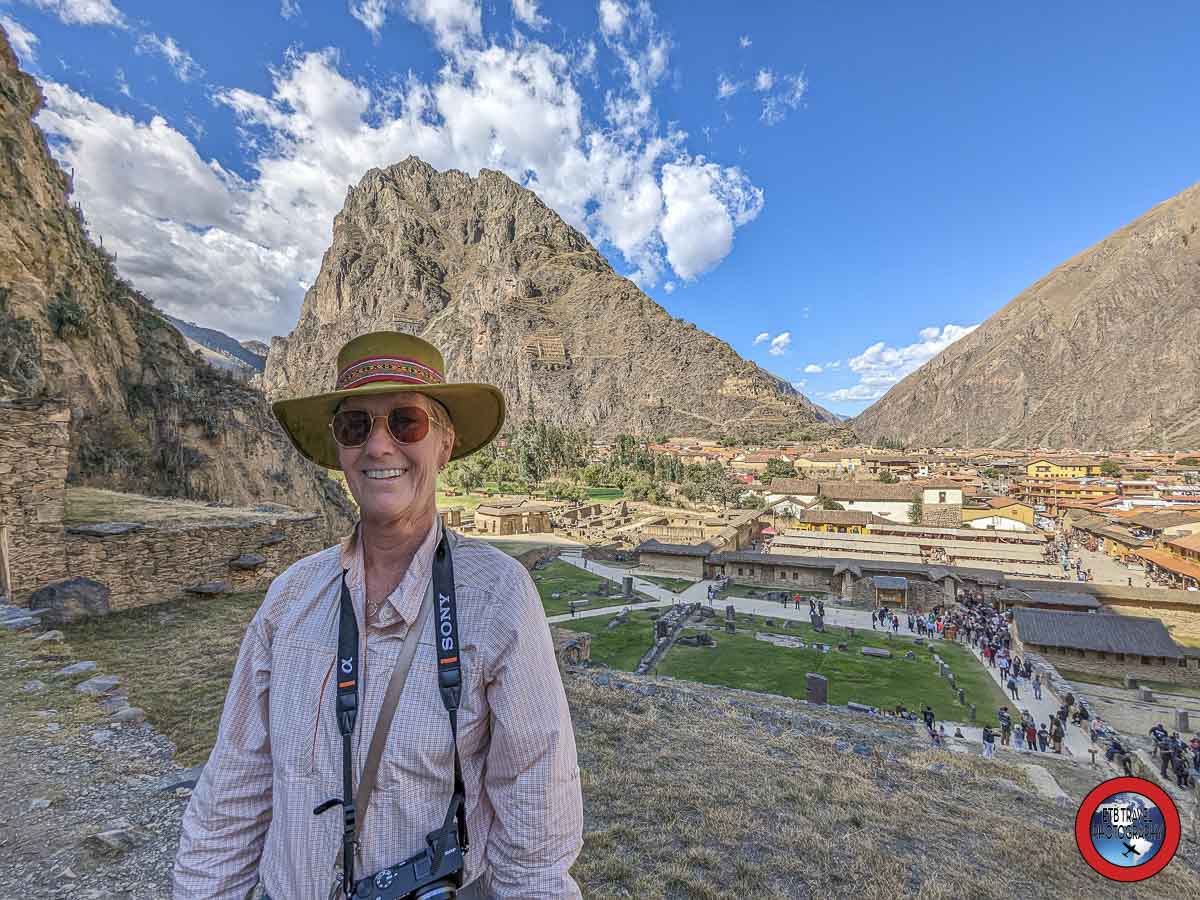
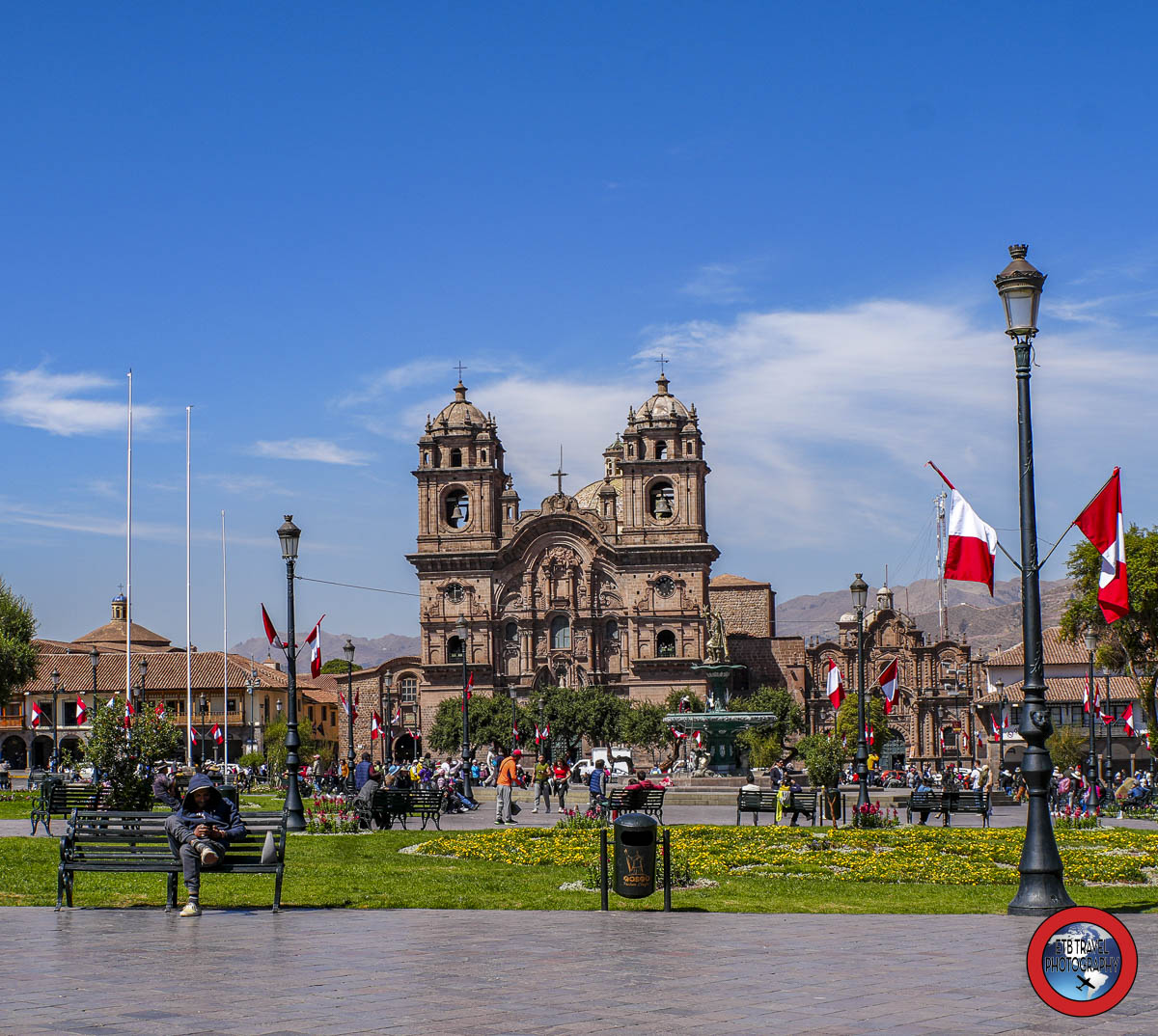
Cusco, a UNSECO World Heritage Site, is situated at 11,152 feet high in the Andes Mountains of Peru.  Once the capital of the Inca Empire, Cusco is one of the oldest continuously inhabited cities in the Western Hemisphere.

The bustling, mountain city of 500,000, features remarkable Inca stonework dating back to the 13th century as well as beautiful colonial architecture from the Spanish conquest in the 16th century.

Being the gateway to Machu Picchu, one of the Seven Modern Wonders of the World, Cusco attracts millions of tourists a year. It’s history and culture, gastronomic delights, and tremendous natural landscape afford tourists many things to do in Cusco.

Plan at least three days to acclimate to the high altitude and explore the city and Sacred Valley.  Add more time for visiting Machu Picchu and hiking through the spectacular terrain.

EXPLORE!
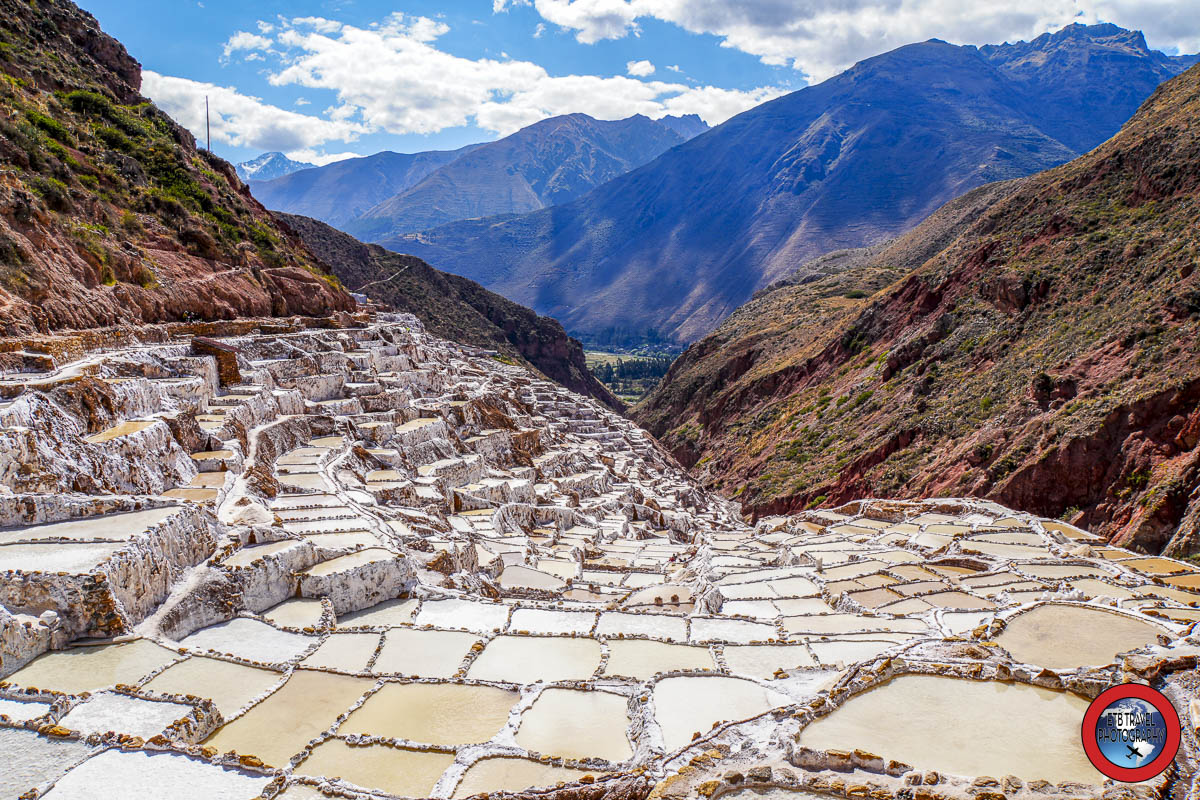
salt mines of maras

Moray and the Salt Mines of Maras Tour

During my stay in Cusco, I toured Rainbow Mountain, the Sacred Valley, and Moray and the Salt Mines of Maras.  All of them were very special places to visit, and I’m glad I made time to see each place, that I did not do during my visit 15 years ago to hike Machu Picchu.

As I’ve mentioned in previous blog posts there are several different companies offering the same tours, typically with a small twist.  Despite almost identical visits, the prices vary.  One of the most budget friendly tour companies, popular with a younger crowd, is Machu Picchu Reservations

The prices were so low that I was hesitant to reserve any tours online with this company in advance of my arrival.  But once I landed in Cusco and all my plans were derailed due to illness, I was glad to be able to make some last-minute bookings with them, especially when I realized the tours didn’t differ much.

EXPLORE!

Rainbow Mountain

Rainbow Mountain…WOW!  It has been on my bucket list ever since I saw a picture of it on Instagram.  I couldn’t believe it was so close to Cusco, and I didn’t know about it when I hiked to Machu Picchu. 

Well, when I hiked to Machu Picchu fifteen years ago, the Rainbow Mountain was capped in snow, so no one knew of the magnificent colors that lay below.  Now, however, the mountain with 14 different color minerals attracts thousands of tourists.

Thousands of tourists in an awe-inspiring place was not my idea of fun, so I did some research and found a four day backpacking trip to Rainbow Mountain with Salkantay Trekking that allows you to see the sunrise and sunset on the mountain without the masses.

Unfortunately for me, I ended up with Salmonella poisoning in high altitude.  With a bad pancreas to boot, I spent a night in the clinic getting fluids and had to cancel my trek.  Fortunately for me, I at least got to see Rainbow Mountain by joining a dreaded day tour with the masses.  It is amazing how much my perspective changed due to my intense desire to see Rainbow Mountain, as I really enjoyed it, people and all!

HAPPY HIKING!

Sacred Valley Day Tour

The last time I visited Peru was in 2009 to hike to Machu Picchu. In typical American fashion, I had limited vacation.  As a result, I only had time to do the amazing Salkantay trek with Mountain Lodges of Peru, but had to skip the Sacred Valley as well as many other attractions near Cusco.

While I don’t generally return to the same places because there is too much to discover in the world, I returned to Cusco to see Rainbow Mountain (which was covered in ice in 2009) and tacked on a few other tours in the area. The first being, the Sacred Valley.

I was worried about tours filling up in the summer, so I prebooked everything with Salktantay Trekking.  This was unnecessary.  I wouldn’t be surprised if there were 100 different tour companies lining Cusco’s Plaza Mayor and surrounding cobblestone streets.  As long as you have a few days of flexibility, it is easy to book day tours on arrival. Cusco has really exploded with tourism over the last 15 years!

EXPLORE!
color dying materials, culure in the amazon

Culture in the Amazon

For our fifth day cruising the Peruvian Amazon with G Adventures, we continued along the Marañón River and its tributaries which flow into the Amazon near Pacaya Samiria National Reserve. It was a day of culture in the Amazon including meeting a Shaman and a mayor, having lunch in an Amazon community, learning to dye materials with resources from the Amazon, and enjoying music of the Amazon.

WELCOME TO THE JUNGLE!

The Marañon River in the Amazon

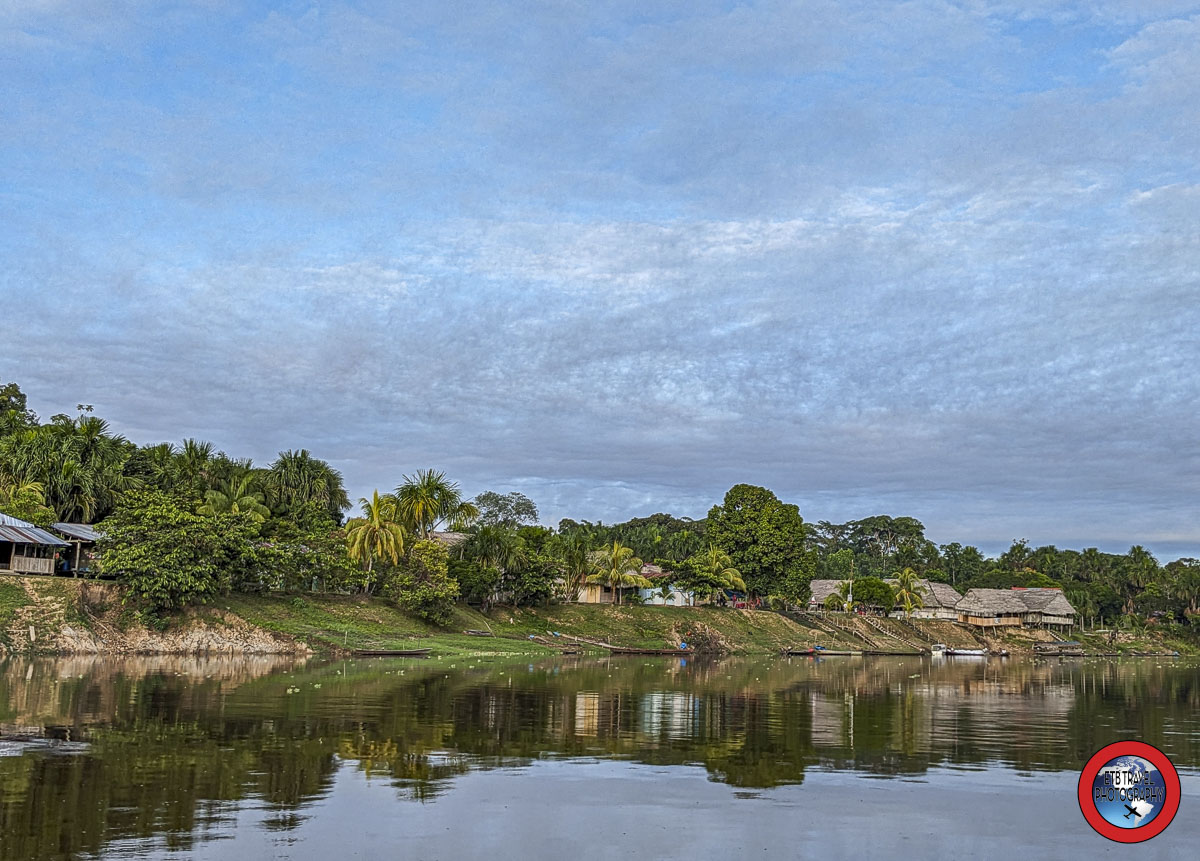
For our fourth day on our river cruise by G Adventures in the Peruvian Amazon, we began with an early morning skiff ride down the Nahuapa River, a tributary of the Marañon River.  The plan was to enjoy a box breakfast on the skiff while watching the dolphins.  Unfortunately, they didn’t show, but we still got to enjoy the surrounding nature along the way.  It’s about the journey, not the destination, right?

WELCOME TO THE JUNGLE!
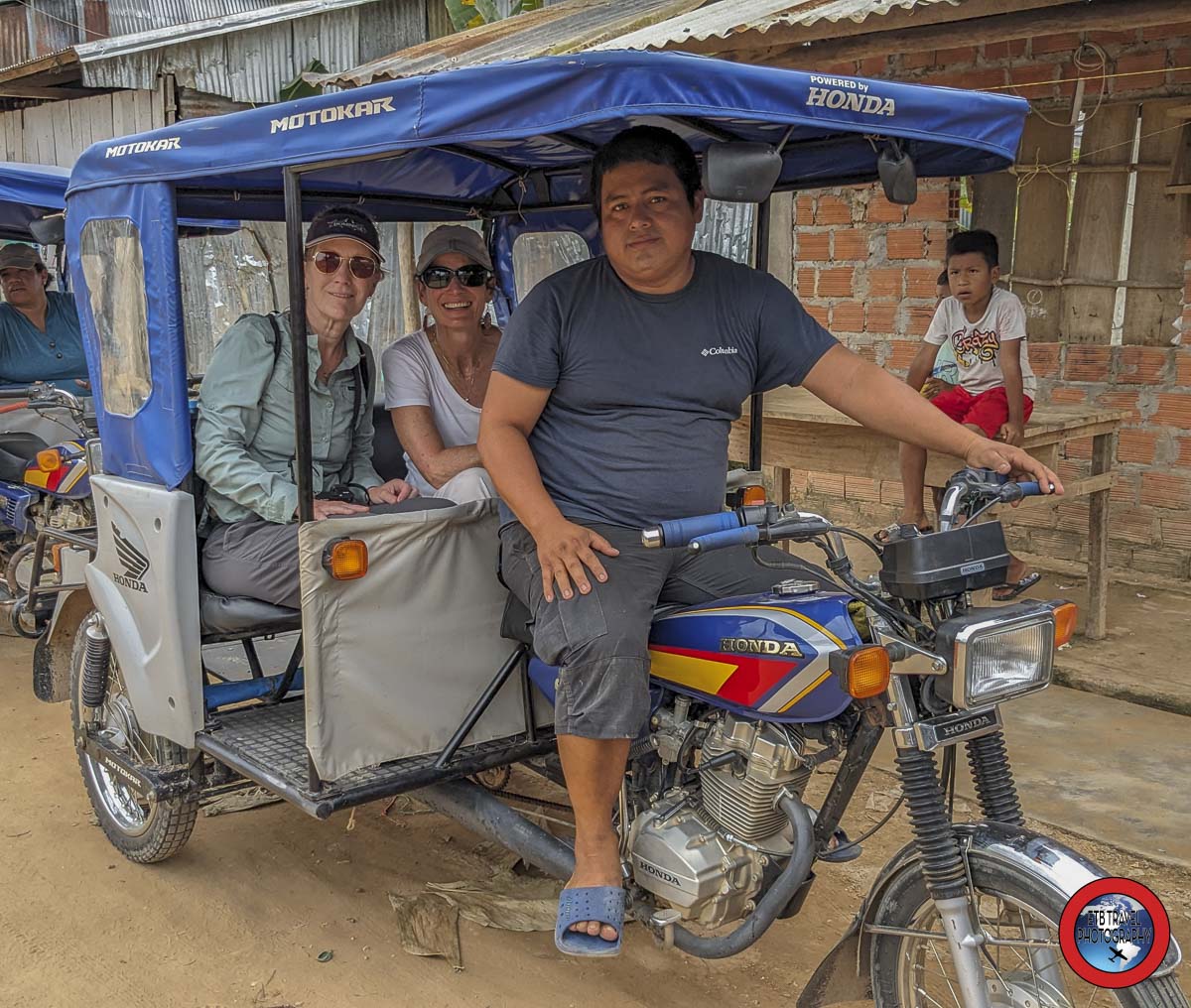
ladies in tuk tuk in nauta

Peruvian Amazon: Nauta and Pacaya-Samiria National Reserve

Our third day in the Amazon began at the confluence of the three rivers, Marañon, Ucayali, and Amazon just a few miles from Nauta and on the border of Pacaya-Samiria National Reserve. 

The Amazon River and Its Tributaries

The Ucayali is the main headwaters of the Peruvian Amazon and when it meets with the Marañon, it becomes the Amazon. Originating in the Andes not far from Cusco, the popular tourist destination for visiting Machu Picchu, the Ucayali travels 994 miles before it reaches the confluence next to Pacaya-Samiria National Reserve.

The Amazon, with its 1,100 tributaries, is the largest river in the world by volume and the first or second longest in the world (disputed with the Nile).  The massive river was initially known to Europeans as the Marañon and later became known as the Rio Amazones in Spanish and Portuguese.

At the confluence, the waters of the rivers are two different colors.  The Amazon, full of sediment, is a milk chocolate color while many of the tannin filled tributaries are black and lack sediment and nutrients.  Accordingly, settlements in the Amazonian Jungle are found near the sediment filled water and fishing takes place in the blackwater.

WELCOME TO THE JUNGLE!
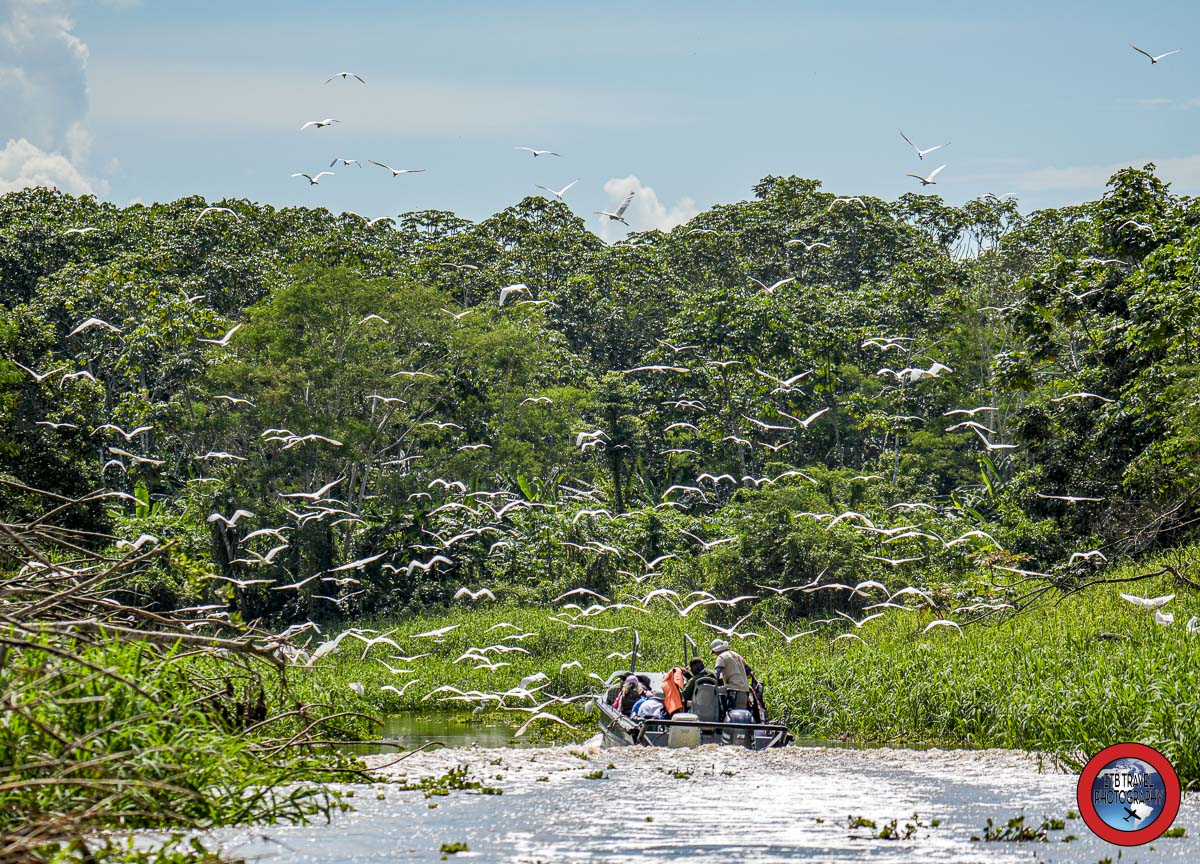
egrets hovering above our skiff

Peruvian Amazon: Part II

For our second day in the Peruvian Amazon with G Adventures, we began with a pre-breakfast skiff ride.  Donning our life vests, we loaded onto the skiffs around 6:30 am as the sun rose overhead.  We cruised the bank in search of wildlife and birdlife near Huasi Village where we “anchored” for the night.  Anchored is in quotes because they don’t use an anchor or a mooring.  Instead, the just beach the boat on the shore!

WELCOME TO THE JUNGLE!
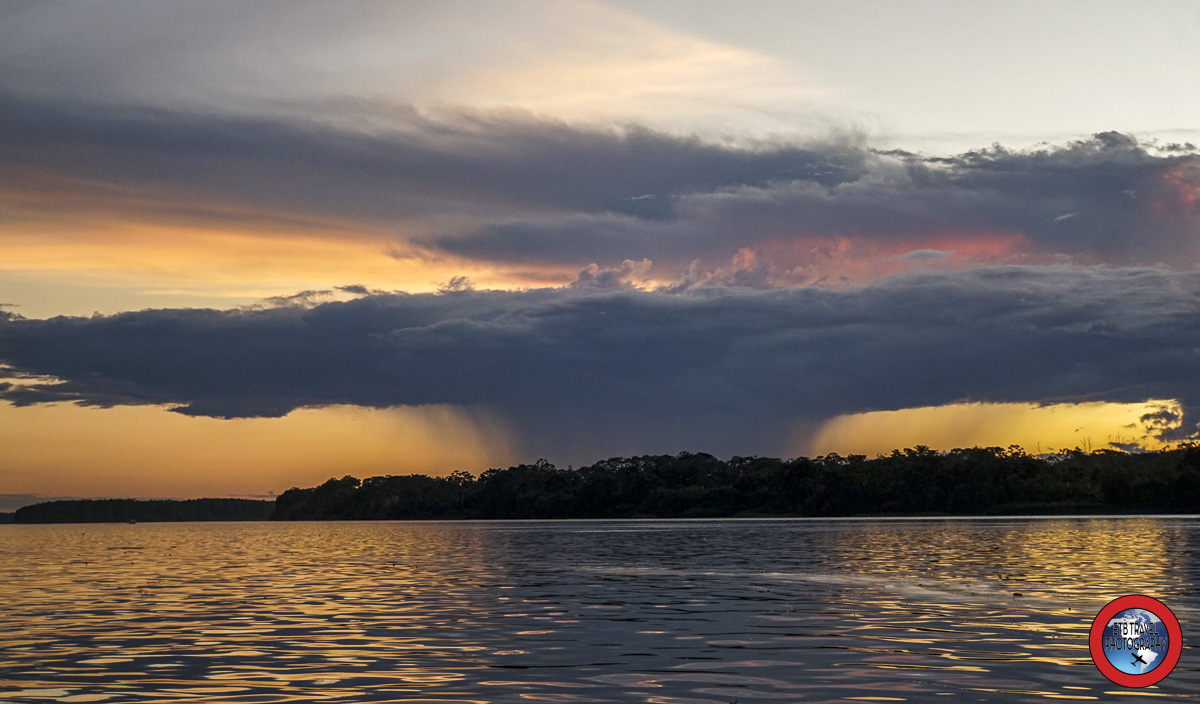
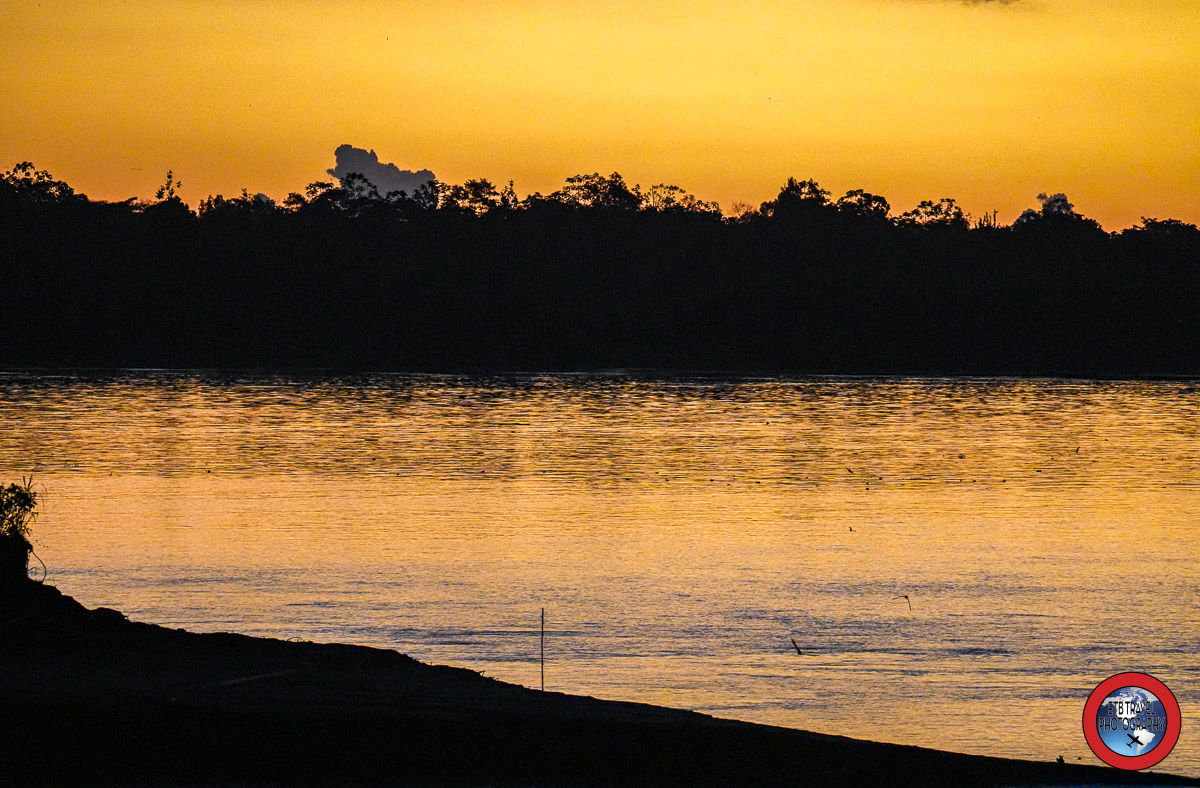
sunset on the Peruvian Amazon

Peruvian Amazon: Part I

Planes, Trains, and Automobiles. That’s what it takes to get to the Amazon.  Just kidding!  I like that movie title, and the title does imply that it takes some effort to get to the Peruvian Amazon, which it does.  But more accurately, it takes planes, buses, and boats!

From Dallas, we flew to Lima via Miami and stayed the night before hopping on a plane to Iquitos, Peru.  For those who imagine the Amazon is in the middle of the jungle, you might be surprised to learn that Iquitos, the gateway to the Peruvian Amazon, has a population of 500,000!

Iquitos, the 4th largest city in Peru and the capital of the Loreto Region, boasts an international airport and may only be accessed internationally by plane or boat.  As a result, it is one of the most expensive cities in the world because everything has to be flown in!  For example, strawberries in Iquitos cost 35 soles or almost 10 USD!

While there is one road between Iquitos and Nauta, another city in the Peruvian Amazon, it does not extend further. I was amazed by the size of Iquitos given its relative inaccessibilty in the jungle!

WELCOME TO THE JUNGLE!